

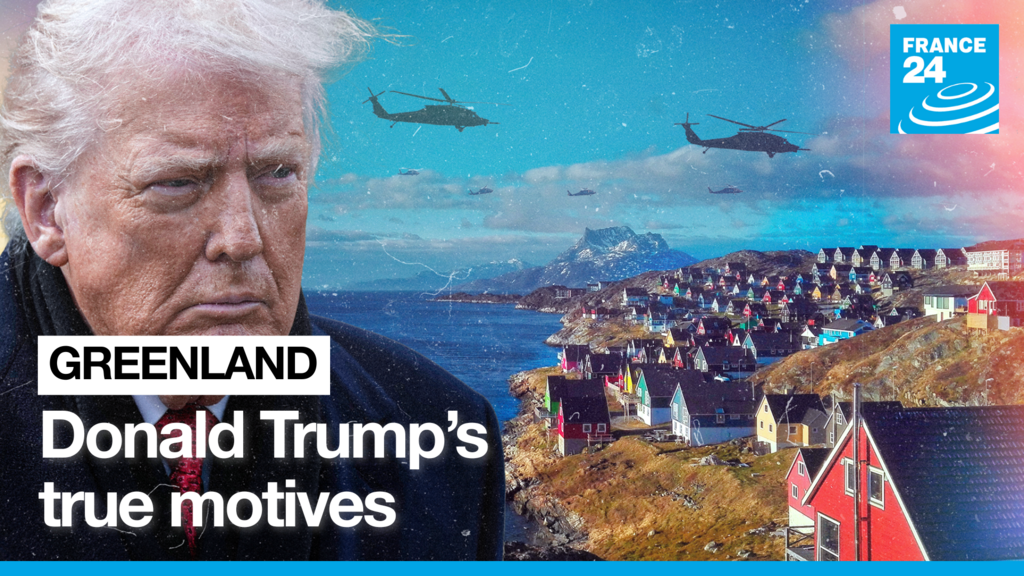
Understanding Trump’s Interest in Greenland: A Deep Dive
This week marked a pivotal moment as Donald Trump publicly stated he would refrain from using force to secure Greenland. Despite this reassured stance, he continues to express a strong desire for the U.S. to gain control of the island. What drives Trump’s fascination with Greenland? This article explores the potential reasons behind his interest, ranging from natural resources and alternative shipping routes to strategic competition with global powers like Russia and China. Furthermore, we’ll examine whether Europe, particularly Denmark, can effectively respond to his ambitions, and assess the military capabilities of the United States to take action if necessary.
The Appeal of Greenland
Greenland holds a unique position on the globe, with vast natural resources beneath its icy surface. The island is believed to be rich in minerals and contains significant oil reserves, which could be appealing for economic growth and energy security. Additionally, as Arctic ice continues to melt due to climate change, new shipping lanes are becoming accessible, reducing travel time for trade between countries. This geopolitical shift raises questions about international influence in the region.
Natural Resources and Economic Interests
The allure of Greenland’s resources is undeniable. Significant deposits of rare minerals, crucial for modern technology and renewable energy, are found there. As countries race to secure energy independence and enhance their technological capabilities, Greenland’s value rises exponentially.
Strategic Rivalry in the Arctic
Beyond resources, the growing rivalry between the U.S., Russia, and China frames Greenland as a strategic outpost. Control over the island could offer military advantages, allowing the U.S. to monitor and respond to activities in the rapidly changing Arctic region. This adds another layer to the complex international dynamics at play.
European Responses to Trump’s Interest
Given Greenland’s relationship with Denmark, the question arises: can Denmark withstand U.S. pressure regarding the island? This potential conflict highlights the intricate balance of power within Europe and its ties to the U.S. Denmark’s approach has generally been one of diplomacy, aiming to maintain Greenland’s autonomy while managing external interests.
The Importance of Diplomacy
European nations, particularly Nordic countries, must navigate these waters with caution. Open dialogue and collaboration with the U.S. and Greenland are essential in addressing any tensions that may arise from Trump’s ambitions. Effective communication will be crucial in managing expectations and fostering cooperation rather than conflict.
Military Capabilities and the Invasion Hypothesis
While thoughts of military action may seem far-fetched, it raises interesting considerations about the U.S. military’s capacity. An invasion of Greenland would require significant resources, logistics, and global political ramifications. Factors such as international law and potential backlash from other nations would also play critical roles in any such decision.
Assessing Military Alternatives
The U.S. has numerous strategic assets in the region, but actual implementation of military force would be highly controversial and complex. It’s essential to weigh the economic and political costs against the potential benefits of military action.
Conclusion
Donald Trump’s interest in Greenland stems from a mix of economic opportunity, strategic positioning, and a desire to assert U.S. dominance. As Denmark and Europe assess their responses, the focus should remain on diplomacy and practical solutions to alleviate tensions. The situation demands a careful strategy that considers both the potential benefits and the international repercussions.
- Trump emphasizes a non-forceful approach toward acquiring Greenland.
- The island’s vast resources present significant economic interests.
- Strategic military advantages in the Arctic are a key factor in U.S. interests.
- Denmark and European nations must engage in diplomatic solutions to safeguard their interests.