

Shaping Post-Brexit Relations: The UK’s New Approach
This article delves into the Prime Minister’s recent shift in strategy regarding the UK’s relationship with the European Union following Brexit. It outlines the implications for businesses, EU negotiations, and the political landscape within the UK.
A New Direction for UK-EU Relations
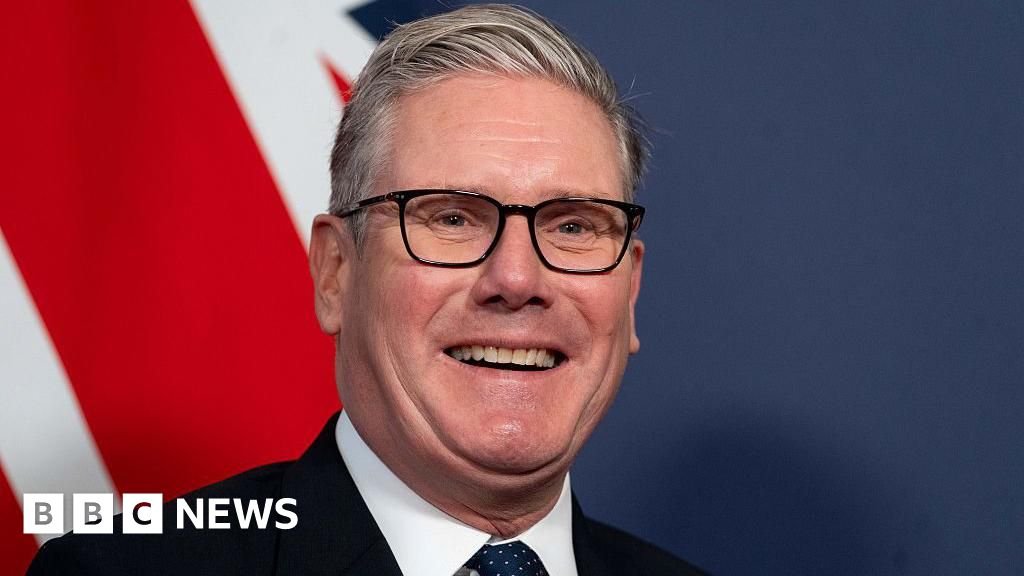
On Saturday, the Prime Minister articulated a significant change in the UK’s post-Brexit stance towards the European Union. This realignment aims to convey a clear message not just to businesses and Brussels, but also to other European capitals and the Prime Minister’s own party members.
Annual Bilateral Talks
The focus is shifting towards a more continual dialogue concerning economic ties, transitioning from a one-time review of the UK-EU agreement to an annual series of bilateral discussions. This response comes amid increasing political demands for a more proactive Brexit reset that may even involve rejoining the customs union.
Political Landscape and Labour’s Position
Some Labour backbenchers, union leaders, and even cabinet ministers have joined calls for a rethink, significantly influenced by the moves made by the Liberal Democrats in Parliament last year. In a recent interview, Sir Keir Starmer emphasized that currently, rejoining the customs union is not a priority, highlighting instead the successful trade agreements made with the US and India, and more initiatives in the Middle East on the horizon.
Focusing on the Single Market
Rather than pursuing a return to the customs union, Starmer advocates for establishing a closer relationship with the single market. “We are better looking to the single market rather than the customs union for our further alignment,” he stated, pointing out the potential for this strategy to sustain existing trade agreements.
Realigning Trade Practices
Since officially leaving the EU in January 2021, the UK has emphasized independence from EU regulations, but challenges related to trade have emerged. Starmer’s vision, referred to as a “Brexit reset,” aims to align with EU regulations in crucial areas such as food exports, electricity, and emissions trading.
Business Perspectives
According to a recent report by the British Chambers of Commerce, many businesses feel stalled by the complexities of post-Brexit trade, with a significant portion indicating that the current UK-EU trade deal does not support sales growth. This underscores the need for an alignment that could ease trade barriers across various sectors, including automotive and chemicals.
European Response and Future Collaborations
European capitals expressed disappointment at the limited ambition discussed in last year’s reset. The UK had initially dismissed proposals suggesting the virtual re-admission of British goods to the single market. Details concerning standards for electricity and food exports remain unresolved, while discussions for a UK participation in the €150 billion Security Action For Europe fund have encountered financial hurdles due to differing opinions among member states.
Educational and Youth Employment Initiatives
The UK has made strides in reconnecting with Europe, notably reaching an agreement to rejoin the Erasmus university exchange program and pursuing negotiations on youth job initiatives, paving the way for further discussions with the EU.
Current Global Context
Recent developments, particularly the US National Security Strategy published last month, have added complexity to UK-EU relations. The strategy emphasizes a resistance to Europe’s current trajectory while acknowledging the rise of nationalistic parties across Europe.
Looking Ahead
With domestic pressures mounting, Labour is aware of the risk of being outmaneuvered on Brexit issues, especially with approaching council elections in London. The Prime Minister’s recent statements reflect a blend of economic, political, and geopolitical considerations as the UK enters a pivotal year marking a decade since the Brexit referendum.
Conclusion
The UK government is embarking on a new approach to its post-Brexit relationship with the EU, emphasizing annual dialogues and a desire for closer ties with the single market. As political landscapes shift, both domestically and internationally, the future of these relationships remains crucial for the country’s economic prospects.
Key Takeaways
- The Prime Minister signals a shift toward annual bilateral talks with the EU on economic relations.
- Labour leader Sir Keir Starmer focuses on enhancing ties with the single market rather than rejoining the customs union.
- Businesses express concerns over the effectiveness of the current UK-EU trade agreement.
- The political landscape surrounding Brexit continues to evolve, with potential implications for upcoming elections.