

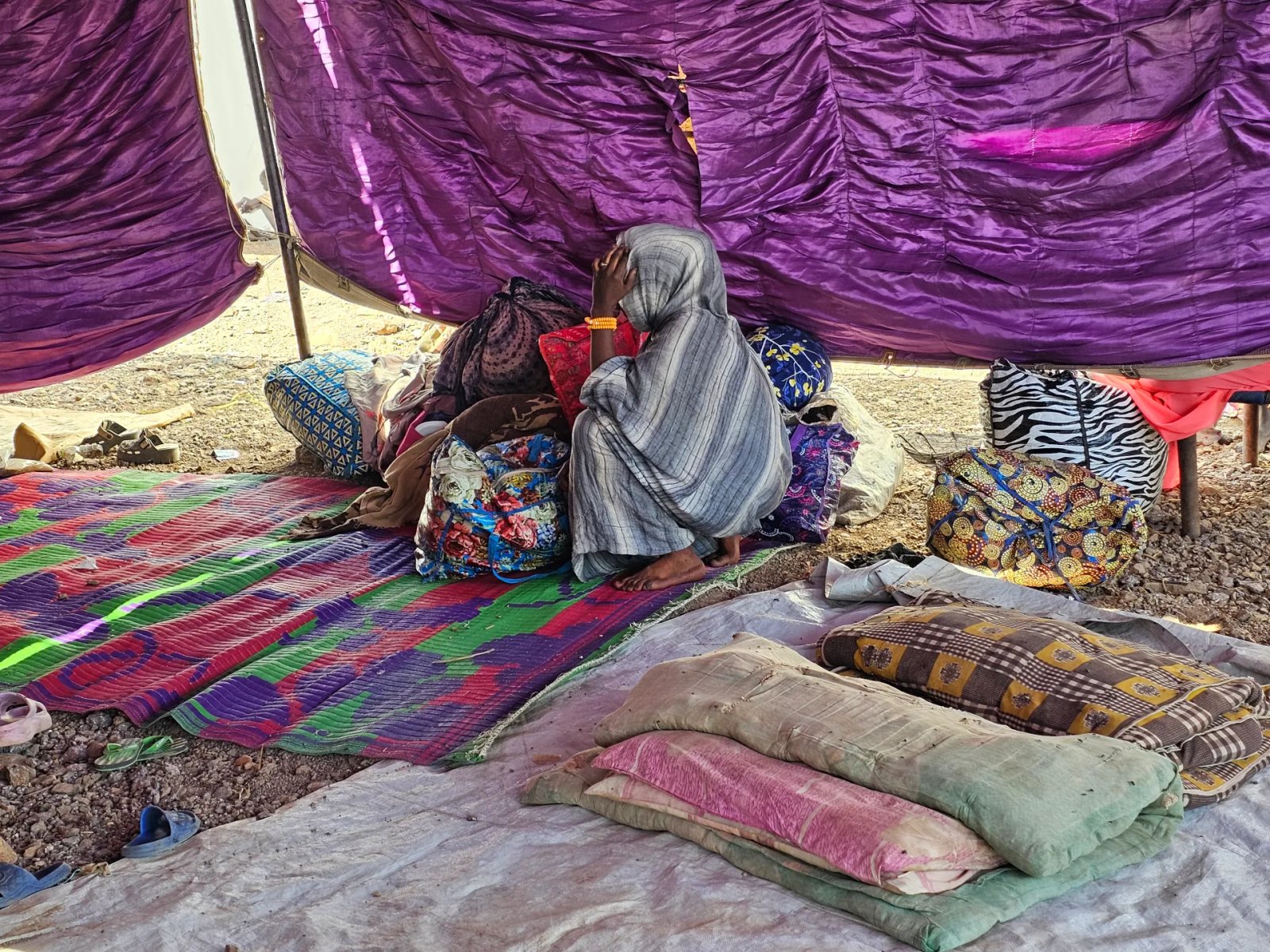
UN Calls for Ceasefire Amid Sudan Conflict
As violence escalates in the Darfur and Kordofan regions of Sudan, UN Secretary-General Antonio Guterres is urgently urging for a ceasefire. The ongoing civil war in Sudan has escalated to what many consider the world’s most severe humanitarian crisis. Guterres made this call late Friday, following a peace proposal by Sudan’s Prime Minister Kamil Idris presented to the UN Security Council earlier in the week, which included a demand for the paramilitary Rapid Support Forces (RSF) to disarm.
The Background of the Conflict
The conflict erupted in April 2023 due to a power struggle between the Sudanese military and the RSF. Since the onset of hostilities, the situation has deteriorated dramatically, resulting in 9.6 million people being displaced internally and an additional 4.3 million fleeing to neighboring countries. Currently, around 30.4 million Sudanese require humanitarian aid, according to data from the UN.
Recent Developments
UN Assistant Secretary-General Mohamed Khaled Khiari recently addressed the UN Security Council, confirming fears that fighting would intensify during the dry season. He noted, “Each passing day brings staggering levels of violence and destruction. Civilians are enduring immense, unimaginable suffering, with no end in sight.”
Shifting Focus of the Conflict
Recently, the conflict has shifted towards Sudan’s central Kordofan region, where the RSF captured the critical Heglig oilfield on December 8. This action prompted South Sudanese forces to cross the border to safeguard the infrastructure, indicating the growing complexity and regional implications of the conflict.
The Risk to Civilians
The RSF’s offensive is poised to threaten the last escape route for civilians heading to Chad, as they aim to consolidate control over North Darfur. Reports indicate that towns in the Dar Zaghawa area have been targeted since December 24.
Violence Spills Beyond Borders
The violence has extended into neighboring regions, highlighted by a recent drone strike that killed two Chadian soldiers in the border town of Tine. A military intelligence officer from Chad reported that the drone originated from Sudan, though it remains uncertain whether it was launched by the Sudanese army or the RSF. Consequently, Chad has placed its air force on high alert and issued a warning of potential retaliation.
Humanitarian Efforts and Challenges
Amidst the turmoil, the UN reached a significant milestone by conducting its first assessment mission in el-Fasher since the city fell into RSF hands. UN Humanitarian Coordinator Denise Brown stated that this was after “months of intense fighting, siege, and widespread violations against civilians and humanitarian workers.” She emphasized that “hundreds of thousands of civilians have had to flee el-Fasher and surrounding areas.”
International Reactions
Earlier this month, a Yale University report addressed systematic killings by the RSF in el-Fasher, with satellite imagery revealing evidence of destruction and mass burials. US Secretary of State Marco Rubio described the situation as “horrifying” and “atrocious,” asserting that “one day the story of what’s actually happened there is going to be known, and everyone involved is going to look bad.” Although Rubio expressed hope for peace before the new year, signs of progress remain elusive.
Prime Minister’s Peace Proposal
Prime Minister Idris’s peace initiative called for an immediate ceasefire monitored by the UN and for the RSF to withdraw from the approximately 40 percent of territory they currently control. However, an adviser to RSF leader Mohamed Hamdan “Hemedti” Dagalo dismissed this proposal as “closer to fantasy than to politics.”
Conclusion
The situation in Sudan remains critical, with humanitarian conditions worsening daily. The urgent calls for a ceasefire highlight the dire need for peace amidst the ongoing violence and suffering of millions.
Key Takeaways
- Antonio Guterres has called for an immediate ceasefire in the ongoing conflict in Sudan.
- The civil war has displaced millions and created a severe humanitarian crisis.
- Recent developments indicate a shift in conflict dynamics, with implications for regional stability.
- Despite proposals for peace, the situation remains volatile and lacks significant progress toward resolution.