

Ukraine and Russia’s Possible Ceasefire Ahead of Easter
This article discusses the potential for an unprecedented ceasefire between Ukraine and Russia, orchestrated before the Orthodox Easter celebrations. Following diplomatic exchanges, both sides appear to be moving towards a temporary pause in hostilities, which could mark a significant shift in the ongoing conflict that escalated in February 2022.
The Proposed Ceasefire
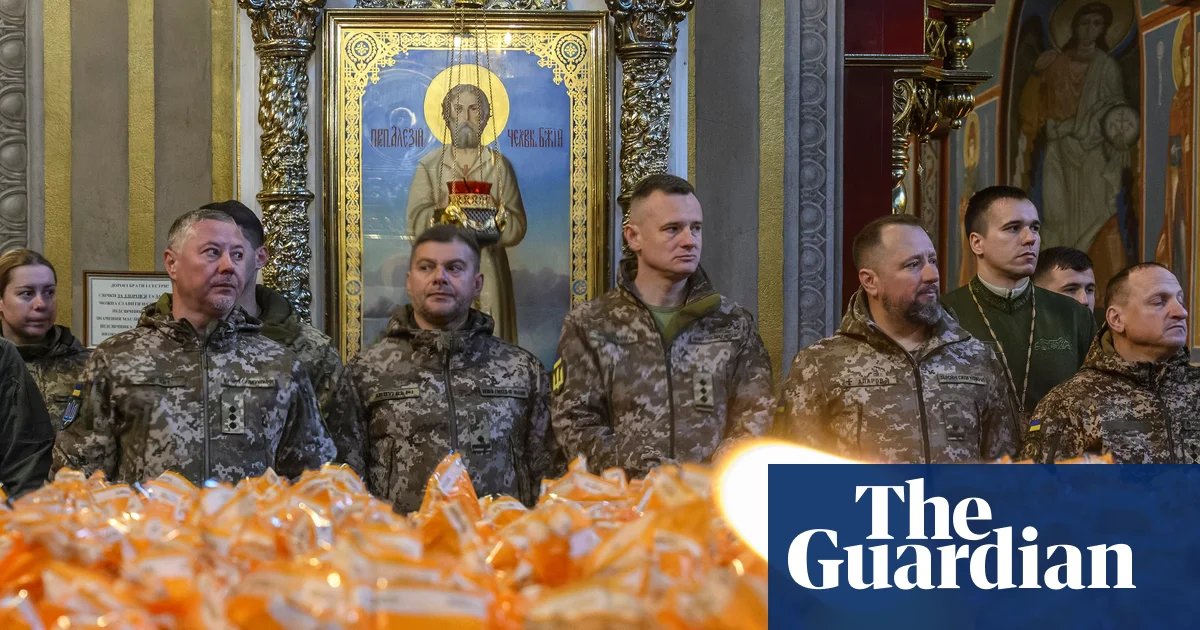
Vladimir Putin has accepted proposals from Volodymyr Zelenskyy for a ceasefire to coincide with Orthodox Easter, celebrated this weekend. The ceasefire is projected to last for 32 hours, beginning Saturday afternoon.
Zelenskyy’s Position
In response to Putin’s agreement, Zelenskyy stated on Friday, “Ukraine has repeatedly asserted our readiness for reciprocal measures. We’ve proposed a ceasefire during this Easter holiday, and we will proceed accordingly. People deserve an Easter free from threats and a genuine step towards peace. Russia now has the opportunity to avoid renewed attacks even after the holiday.”
Kremlin’s Stance
The Kremlin has sought to frame the ceasefire initiative as a Russian initiative, asserting, “We expect the Ukrainian side will mirror this approach taken by the Russian Federation.” They announced that military orders for halting hostilities across all fronts were in effect. However, they have also left a window open for further military actions, indicating that troops must remain vigilant against any provocations.
History of Ceasefires in the Conflict
Throughout the war, only unofficial and often inadequately observed truces have occurred. Past efforts have included localized pauses for surrender, prisoner exchanges, and humanitarian concerns. A limited “energy truce” was declared in March 2025, aiming to protect critical energy infrastructures from attacks. Despite rejecting earlier ceasefire proposals from Ukraine, Moscow has previously attempted to unilaterally declare ceasefires around significant commemorative dates.
The Role of International Influence
Interestingly, the push for this Easter ceasefire seems to have developed with reduced U.S. involvement, as the American administration remains focused on separate conflicts, including the situation in Iran. Zelenskyy mentioned that his truce proposal was communicated to Russia through U.S. channels. Reports have surfaced indicating that a Russian envoy was present in the U.S. around this time.
Impact on Military Operations
The conflict has severely impacted Russia’s oil exports due to successful Ukrainian strikes, which are crucial for funding their war efforts. Meanwhile, Ukraine continues to suffer from attacks on its energy infrastructure, exacerbating the humanitarian crisis.
Recent Developments in Russia
On another note, Russia’s Federal Security Service (FSB) announced the detention of a former Radio Free Europe freelancer for treason, accusing him of collaborating with Ukraine. Additionally, Moscow saw a police raid on the independent newspaper Novaya Gazeta, which has raised concerns over press freedoms and government scrutiny.
International Military Concerns
In response to potential threats, the UK, alongside allies like Norway, has deployed warships to safeguard undersea cables and pipelines from Russian submarines. UK Defense Minister John Healey emphasized the serious repercussions of any aggressive actions against these critical infrastructures, directly addressing Putin’s regime.
Conclusion
As the Orthodox Easter approaches, the potential ceasefire initiative presents a glimmer of hope amid the turmoil between Ukraine and Russia. The world watches closely, hopeful for peace while remaining vigilant against ongoing military activities.
Key Takeaways
- Ukraine and Russia may initiate a 32-hour ceasefire over Orthodox Easter.
- Zelenskyy emphasizes the importance of a peaceful holiday for the people.
- The Kremlin seeks to position the ceasefire as a Russian initiative.
- International responses include military readiness from the UK and its allies to protect critical infrastructure.