

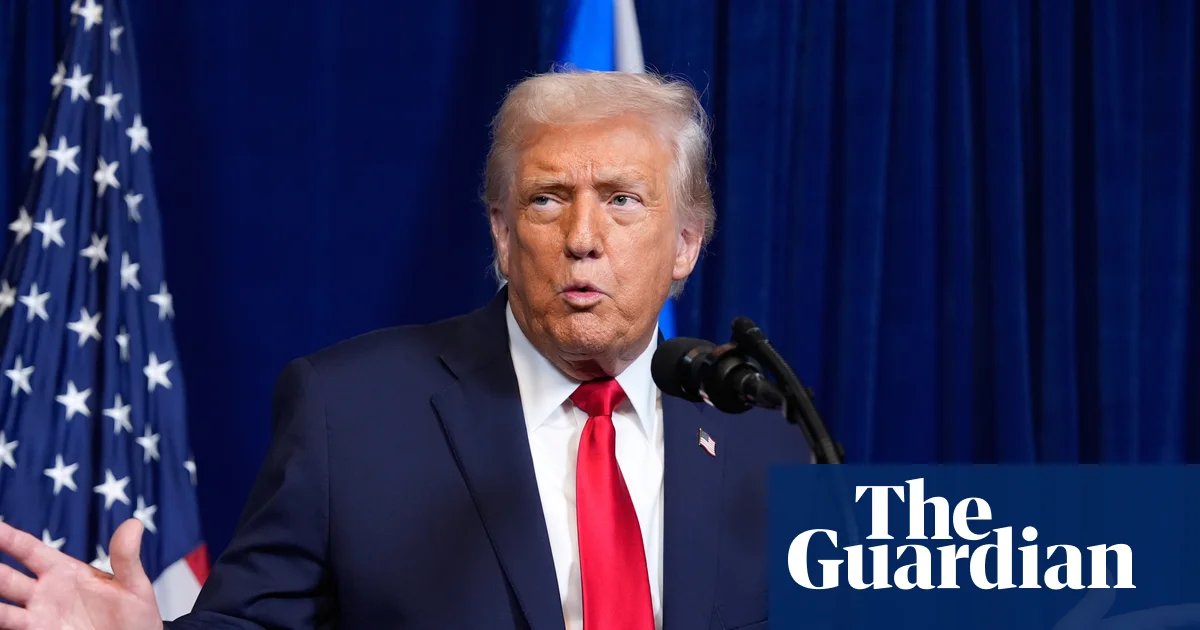
Trump and Netanyahu: A Complex Diplomatic Dance
In a recent meeting that encapsulated Donald Trump’s unconventional approach to foreign diplomacy, he hosted Israeli Prime Minister Benjamin Netanyahu at Mar-a-Lago. This gathering marked the fifth time they’ve met since Trump reentered the political arena, demonstrating a unique relationship amid global complexities.
An Unconventional Press Conference
During a spontaneous 15-minute press conference, Trump opened with a casual nod to Netanyahu’s frequent visits, asking reporters, “Do you recognize this guy?” However, this lighthearted remark soon transitioned into more serious territory. Trump brazenly expressed his willingness to support Netanyahu should he order an attack on Iran’s nuclear sites. This statement disregarded diplomatic protocols, as it implied a disregard for the sovereignty of another nation.
Accepting Russia’s Narrative
Moreover, Trump appeared to validate Russia’s claim about an attack on President Vladimir Putin’s residence, despite lacking any independent confirmation from U.S. intelligence. This came shortly after hosting Ukrainian President Volodymyr Zelenskyy, who had labeled the Russian report a “lie.”
Flatteries and Critiques
Trump’s relationship with global leaders often includes a mix of flattery and blunt language. He spoke amiably about Turkish President Recep Tayyip Erdogan, someone Netanyahu has historically criticized. Netanyahu, however, maintained his composure, praising Trump as perhaps the best friend Israel has had in the White House.
Shared Praise Amid Tension
In a lunch meeting, Netanyahu further fueled the flattery by announcing that Trump would be the first non-Israeli recipient of Israel’s highest cultural honor, the Israel Prize. Trump reciprocated, stating that Israel might not exist today if it weren’t for Netanyahu’s leadership. Yet, underlying their friendly banter was evidence of tension as both leaders navigate contentious issues regarding the Gaza peace process.
Concerns Over Iran and Regional Stability
Trump addressed the urgency of disarming Hamas but maintained a nonchalant stance on the reconstruction of Gaza, noting that progress should begin soon, even without Hamas’s disarmament. This casual acknowledgment of complex geopolitical realities raised eyebrows.
Military Strategies and Responses
Regarding Iran, Trump appeared contradictory. He acknowledged that Iran “may be behaving badly,” yet advocated for a diplomatic resolution while supporting the possibility of military action should Iran continue its missile development. His comments suggested readiness to respond militarily to a revived nuclear program, indicating a firm stance on this critical issue.
The Syrian Context
Trump’s commentary extended to Syria, where he expressed hope for improved relations between Netanyahu and Syrian President Ahmed al-Sharaa. However, Netanyahu’s cautious response highlighted Israel’s concerns about maintaining security along its borders, particularly against the backdrop of terrorist activity.
Future Considerations
The meeting between the two leaders, while filled with mutual compliments, reflects deeper, unresolved tensions in their relationship. The diplomatic complexities require careful navigation, particularly as regional and international challenges continue to evolve.
Conclusion
The recent meeting between Trump and Netanyahu showcased a blend of camaraderie and underlying tension. As they move forward, the delicate balance of their international relationships will require them to navigate a variety of geopolitical challenges while maintaining their unique rapport.
- Trump’s casual interactions with foreign leaders highlight his unique approach to diplomacy.
- Concerns over Iran and regional stability are pivotal points in U.S.-Israel relations.
- Flattery and mutual compliments can sometimes mask underlying tensions between leaders.
- Navigating the Gaza peace process remains a significant challenge for both Netanyahu and Trump.