

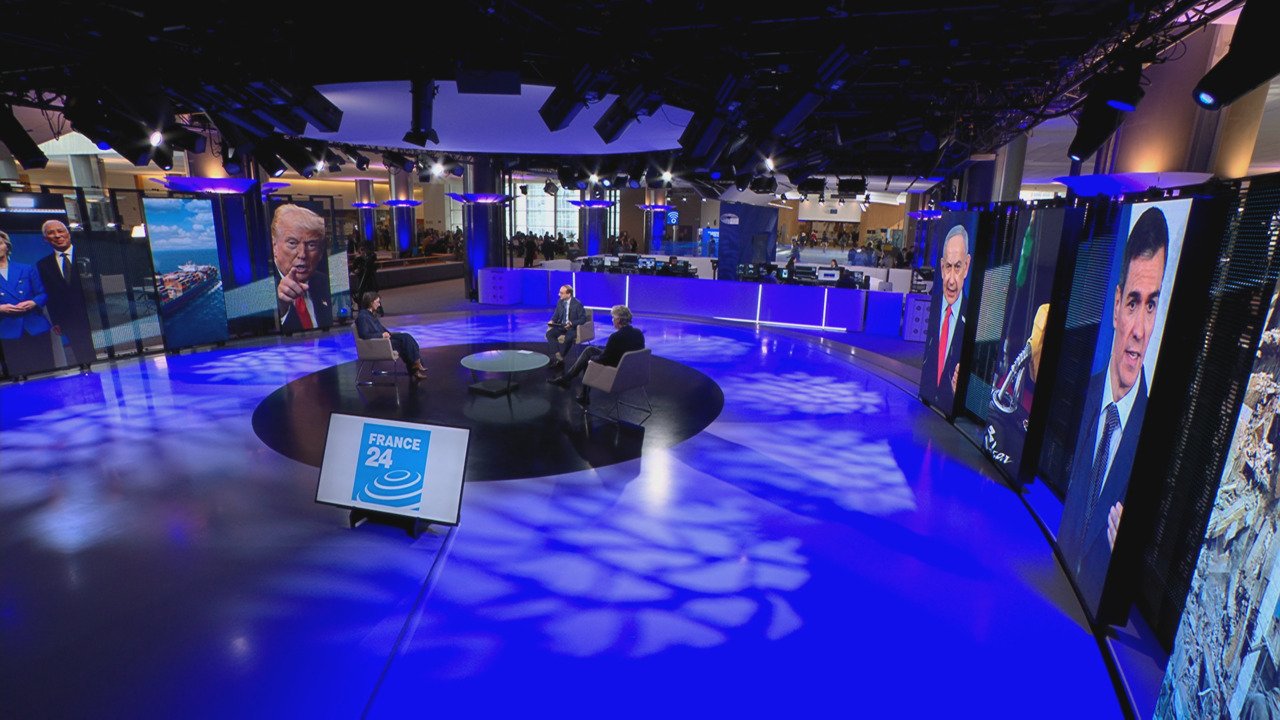
Trump’s Threats and Europe’s Response: Analyzing the Current Tensions
As tensions escalate, US President Donald Trump has issued new warnings to European nations, particularly regarding their role in the Strait of Hormuz. Following trade disputes and other confrontations, this latest threat highlights the complex dynamics between the US and Europe, especially in the context of NATO’s future. In this article, we delve into the implications of Trump’s comments and evaluate how Europe is responding to the ongoing crisis involving Iran.
The Current Situation
Recently, President Trump stated that if European countries do not assist in reopening the Strait of Hormuz, there could be serious repercussions for NATO. This statement underscores the growing rift between the US and its European allies, particularly as the US continues its military operations in the region. The tension follows a history of challenges to Europe’s unified stance on key international issues.
US Security Decisions
US Secretary of State Marco Rubio has indicated that the United States will act independently in its security matters, regardless of European opinions. This declaration further emphasizes the shift in the transatlantic relationship and raises questions about the future of NATO, especially in light of recent military actions against Iran.
The EU’s Voice
Europe’s response to the growing crisis has been somewhat fragmented, lacking a cohesive strategy or a united front. This disunity has limited Europe’s influence and credibility on the world stage, as the inability to articulate a single perspective has often undermined its positions in past crises.
Expert Opinions
To gain deeper insights into the situation, we engaged various experts who voiced their opinions on the effectiveness of the EU’s response to the US-Israel’s operations in Iran. Many argue that Europe must find a way to navigate its relationship with the US while also addressing the complexities of regional security in the Middle East.
Conclusion
As the United States navigates its foreign policy decisions, the implications for Europe and NATO are becoming increasingly significant. The ongoing challenges highlight the necessity for Europe to unify its voice in international affairs. How Europe reacts in the coming months will be crucial for the future of its alliances and its role in global security.
Key Takeaways:
- Trump’s threats highlight increasing US-EU tensions over NATO and the Strait of Hormuz.
- The US intends to make independent security decisions without considering European views.
- Europe’s lack of a unified strategy has hampered its credibility in international crises.
- Expert opinions stress the need for Europe to strengthen its position amidst these challenges.