

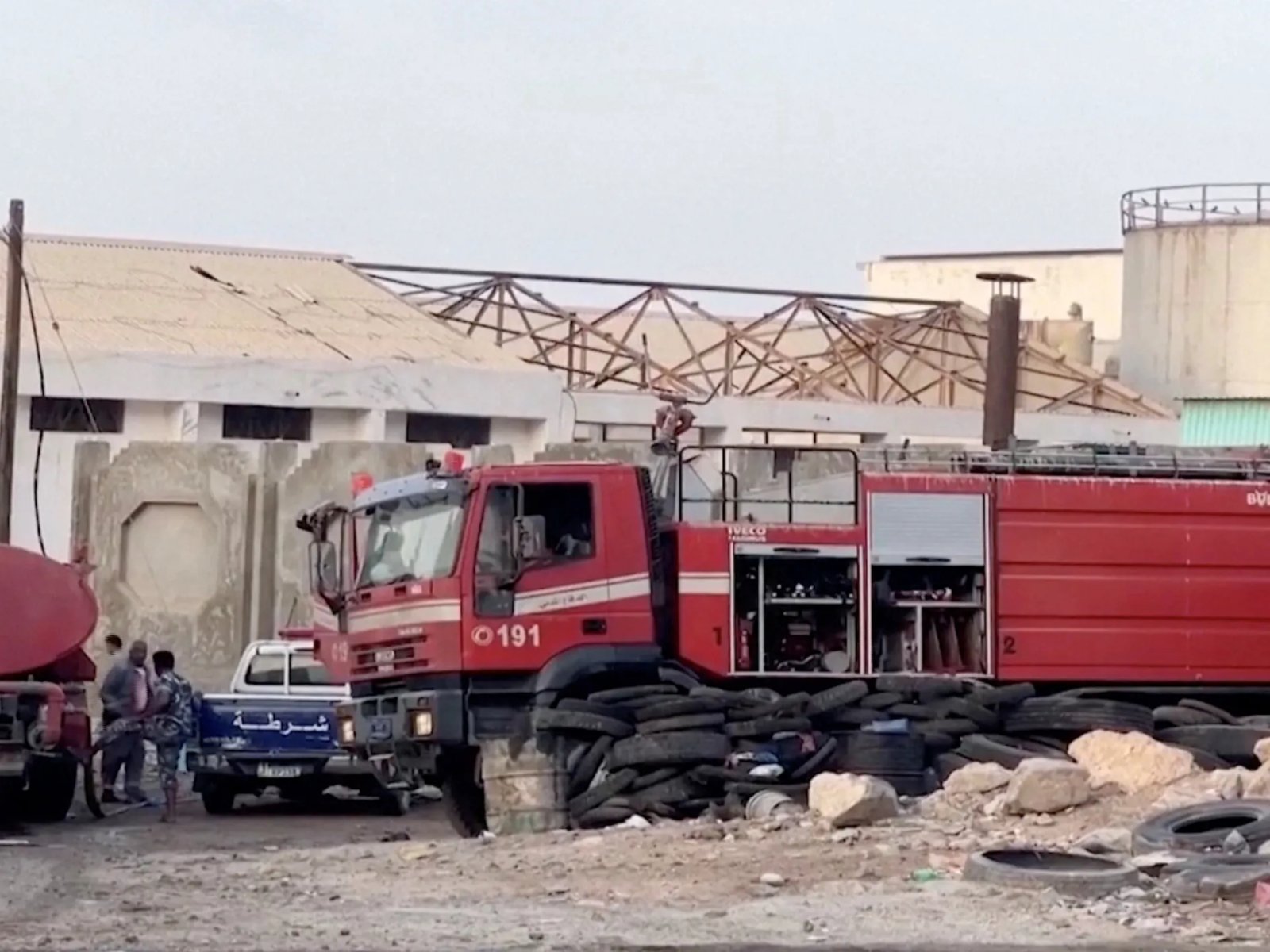
Tensions Rise in Yemen Following Saudi Strike on Mukalla Port
The recent Saudi strike on Mukalla port has escalated tensions between Saudi Arabia and its Gulf Arab neighbor, the United Arab Emirates (UAE), as well as raising issues within the Arab coalition operating in Yemen. This incident highlights serious divisions within the coalition, particularly in relation to the Southern Transitional Council (STC) and its control over southern Yemen.
Background on the Conflict
According to coalition spokesman Major-General Turki al-Maliki, two ships entered Mukalla, carrying over 80 vehicles and containers of weapons and ammunition destined for the STC. Crucially, this occurred without the knowledge of Saudi Arabia or the internationally recognized Yemeni government. Tensions have reached a boiling point, indicating potential shifts in Yemen’s political landscape.
Political Divide in Yemen
The Yemeni government has struggled to control the situation following a surge in military activity between Saudi Arabia and the UAE in the Hadramout governorate, where Mukalla is located. The Presidential Leadership Council (PLC) is now fracturing, divided between factions that pledge allegiance to either Saudi Arabia or the UAE. These underlying tensions have been brewing for years but have recently become prominent in public discourse.
The Role of the STC
Since its establishment in 2017, the UAE-backed STC has sought independence for Southern Yemen. In December, STC forces crossed significant boundaries by taking control of all southern governorates, including Hadramout and al-Mahra. Saudi Arabia viewed these actions as direct threats to its security, as Hadramout is not only economically significant due to its oil and gas resources but also critical for border trade with Saudi Arabia.
The Implications of the Saudi and UAE Fallout
This latest public rift between Saudi Arabia and the UAE threatens to cast a long shadow over Yemen’s future, affecting political, economic, and military dynamics. Within Yemeni political circles, members are aligning themselves along the lines of these two external powers, further complicating the situation.
Leadership Divisions in the PLC
The eight-member PLC, an internationally recognized body, is now divided into factions loyal to either Saudi Arabia or the UAE. The camp led by PLC president Rashad al-Alimi includes notable figures such as Sultan al-Arada and Othman Hussein Mujalli. Meanwhile, the opposing faction, spearheaded by STC leader Aidarus al-Zoubaidi, includes Abdul Rahman al-Mahrami and others.
Amid the turmoil, the leaders from these factions have issued conflicting statements regarding calls for the UAE to withdraw from Yemen following the Saudi strike. One faction supports the UAE’s exit, while the other opposes it, further illustrating their ties to broader regional interests and affirming Yemen’s status as a battleground for external influences.
Future of Yemen Amidst Escalating Conflict
Rapid developments in Yemen are pushing the country closer to an era of internal conflict, diverting attention from the ongoing Houthi rebellion in the north. As the legitimate Yemeni government and the Saudi-led coalition aim to challenge Houthi control, the latest turmoil threatens to lead Yemen toward further disintegration after years of conflict, which might allow the Houthis to extend their influence.
This evolving situation is likely to weaken the Saudi-led coalition further, raising questions about its unity and capability to meet its goals for Yemen.
Conclusion
The recent Saudi strike on Mukalla port serves as a critical turning point in Yemen, highlighting deeper fractures within the Arab coalition and the Yemeni political landscape. As factions align with external powers, the dynamics of conflict may shift even further, leading Yemen into a new phase of internal strife.
Key Takeaways
- The Saudi strike on Mukalla port has heightened tensions between Saudi Arabia and the UAE.
- Political divisions within Yemen are intensifying, with factions loyal to Saudi Arabia and the UAE emerging.
- The STC’s recent military advances pose significant risks to Saudi national security.
- The ongoing turmoil may undermine the Saudi-led coalition’s goals in Yemen.