

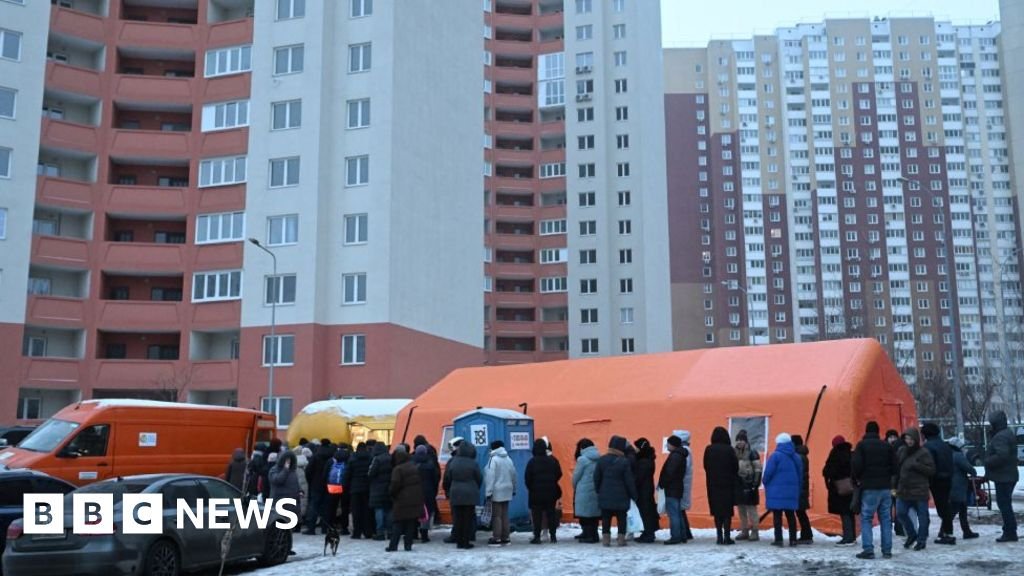
Ukraine’s Winter Struggles Amid Ongoing Energy Attacks
As Ukraine endures one of its harshest winters in years, the situation has become dire. With January temperatures often dropping below -15°C, Russian attacks have severely impacted the nation’s energy infrastructure, leaving approximately one million residents without heating. The capital, Kyiv, has been particularly hard hit, facing repeated assaults on its heating systems.
Targeted Attacks in Kyiv
According to Mayor Vitaly Klitschko, following the most recent bombardment on January 24, nearly 6,000 apartment buildings were deprived of heating services. This attack is the third in just over two weeks, with prior strikes on January 9 and January 20 also leaving hundreds of thousands of people shivering in their homes.
One resident, Rita, shared her perplexing experience of living in Kyiv during these challenging times: “Coming home is like playing a guessing game every day – will I be able to shower or have hot tea, or neither?” She noted the additional anxiety of missile threats, adding that she must sleep in multiple layers and a hat to combat the cold.
The Impact of Central Heating
A significant challenge for Ukrainians is the heavy reliance on centralized heating systems, particularly in apartment buildings. Many residents find themselves at the mercy of large heating plants that serve thousands of households. However, recent attacks have targeted these crucial installations, exacerbating the energy crisis.
In Kyiv, Kyivteploenergo, the sole provider of heating and hot water, emphasized that most buildings in the capital depend on their services, although they didn’t disclose exact figures for safety reasons. Further south in Zaporizhzhia—home to about 750,000 residents—approximately 75% of the population also relies on central heating, according to local official Maksym Rohalsky.
Historical Context and Urban Design
Before Russia’s extensive invasion in 2022, around 11 million households in Ukraine utilized central heating, a stark contrast to the 7 million that employed autonomous heating systems. This reliance grew from vast construction initiatives in the 1950s across the former Soviet Union, producing numerous nine-story apartment blocks made of precast concrete, known as “panelki,” or smaller five-story buildings called “khrushchevki,” named after Soviet leader Nikita Khrushchev, who oversaw their development.
Heating in these structures is typically managed by large facilities referred to as TETs, which generate both heat and electricity. Single-family homes, or “private houses,” are primarily found in rural areas and remain relatively uncommon in city environments.
Vulnerabilities of the Soviet System
Ukrainian energy expert Yuriy Korolchuk remarked, “Ukraine inherited the Soviet heating system and it hasn’t changed anything; it remains largely centralized.” He noted that these heating facilities were not designed to withstand the onslaught of missiles or drones, revealing a significant vulnerability that has emerged due to the ongoing conflict.
Korolchuk pointed out that this kind of targeted attack on heating infrastructure is a new tactic for Russia. “During previous winters, such strikes were infrequent and seldom focused on heating plants,” he explained. He suggested that the ongoing negotiations to resolve the war could also be influencing these assaults, as they serve as a form of leverage.
Future Considerations
While centralized heating systems offer efficiencies, the consequences of targeting these installations can be catastrophic, affecting hundreds of thousands. The Ukrainian government recognizes this risk and is contemplating measures to enforce individual heating solutions in apartment complexes as a long-term strategy.
However, transforming decades of Soviet-era planning won’t be a swift or simple task, requiring significant investment and time to implement changes effectively.
Conclusion
As Ukraine faces unprecedented winter challenges due to energy infrastructure strikes, residents continue to brave the elements amidst a complex and difficult situation. The ongoing dependence on centralized heating amidst the conflict highlights the urgent need for a strategic overhaul to ensure resilience against future threats.
Key Takeaways
- Ukraine is experiencing an exceptionally harsh winter, with significant heating challenges.
- Kyiv has been repeatedly targeted, leaving thousands without heat.
- The reliance on centralized heating systems poses vulnerabilities during attacks.
- Future governmental plans may include decentralized heating solutions to mitigate risks.