

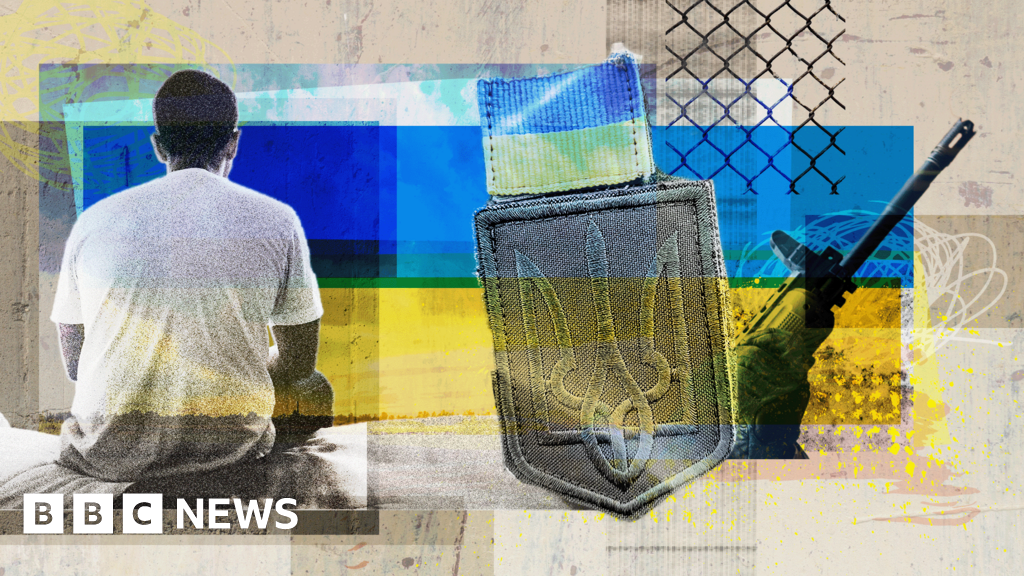
The Hidden Tragedy of Suicide among Ukrainian Soldiers
In the shadows of ongoing conflict, a haunting tragedy emerges: the rise of suicides among Ukrainian soldiers. This article delves into the heartbreak of families affected by this crisis, shedding light on the struggles faced by those who bear the scars of war, often unnoticed and unrecognized.
A Mother’s Grief
Kateryna reflects on her son, Orest, a quiet 25-year-old who had aspirations of pursuing an academic career. Her voice quivers with emotion as she recounts the news of his untimely death on the front lines of Donetsk in 2023. The official military report classified his death as a “self-inflicted wound,” a conclusion that Kateryna struggles to accept.
Due to the stigma surrounding mental health and suicide in Ukraine, Kateryna has requested anonymity for herself and her late son. Initially deemed unfit for service due to poor eyesight, Orest was re-evaluated and recruited as a communications specialist, only to find himself amidst the horrors of war.
The Quiet Tragedy
While Ukraine collectively mourns its fallen soldiers since Russia’s full-scale invasion, a quieter tragedy unfolds. There are no official statistics on soldier suicides, and authorities often label these deaths as isolated incidents. However, families and human rights advocates suspect the numbers could be in the hundreds.
“Orest was caught, not summoned,” Kateryna laments. Officials from the local recruitment center defend their actions, asserting that Orest was considered “partially fit” for service.
Once deployed, Orest descended into a state of withdrawal and depression. Each day, Kateryna writes to him, accumulating over 650 letters—a poignant reminder of her enduring grief. Ukraine’s classification of suicide as a non-combat loss only exacerbates her pain, as families receive no compensation, military honors, or public acknowledgment.
“It’s as if we’ve been divided,” she reflects. “Some died the right way, and others died the wrong way.” Kateryna feels abandoned by the state, which sent her son to war but failed to provide support afterward.
Similar Heartbreak
The tale of Mariyana from Kyiv mirrors this sorrow. Wanting to protect her identity and that of her husband, Anatoliy, she too encountered the devastating consequences of war. After relentless persistence, Anatoliy was accepted into military service as a machine gunner. His experiences during intense battles altered him profoundly.
Mariyana recalls, “He came back different; quiet; distant,” after witnessing the death of numerous comrades. Following a serious injury, he was hospitalized, but after a call with Mariyana, he took his own life in the hospital yard. “The war broke him,” she shares tearfully. Due to his method of death, he was denied a military burial, further deepening Mariyana’s sense of betrayal.
“The state left me alone with nothing,” she expresses. Like Kateryna, Mariyana faces stigma from others as she navigates her loss.
Seeking Recognition
Viktoria shares a similar narrative, as she grapples with the tragic death of her husband, Andriy. Despite a congenital heart condition, he enlisted and served bravely. After his suicide in June 2023, Viktoria faced the rejection of an official burial and inconsistencies during the investigation of his death, prompting her to pursue justice for her husband.
“I’m fighting for his name,” she asserts. “My war isn’t over.” Oksana Borkun, who supports military widows, highlights that many families doubt official reports of suicide, with some even discovering bruises on their loved ones’ bodies.
A Call for Reform
Military chaplain Father Borys Kutovyi acknowledges seeing multiple cases of suicide within his command, emphasizing that even one suicide signifies failure. He believes that newly recruited soldiers are especially vulnerable compared to seasoned servicemen. Both Oksana and Father Borys advocate for the recognition of soldiers who take their own lives as heroes.
Olha Reshetylova, Ukraine’s Commissioner for Veterans’ Rights, reports receiving insights into several suicide cases monthly. She acknowledges the urgent need for reform within the military system to better support those who have endured unimaginable trauma. “Families have a right to the truth,” Olha states, highlighting the lack of trust in investigations.
A commitment to welcoming these individuals back into society with compassion could help reduce future tragedies. “These people were your neighbors, your colleagues,” she notes, emphasizing the importance of understanding their experiences.
Conclusion
The heartbreaking narratives of families affected by the suicide of soldiers illustrate the urgent need for systemic change and compassion in Ukraine. As society begins to confront the stigma surrounding mental health and suicide, it’s essential to recognize every soldier’s sacrifice, regardless of how they have fallen.
- Suicide among Ukrainian soldiers is a rising crisis, often overlooked amid combat losses.
- Families experience profound grief compounded by societal stigma and lack of recognition.
- Calls for systemic reforms are growing in the military to address mental health support.
- Understanding and compassion are crucial to prevent further tragedies in the future.