

EU’s Financing Strategy for Ukraine: A New Path Forward
The European Union has faced a significant challenge in agreeing on a financial support strategy for Ukraine, particularly in light of frozen Russian assets. While the initial hope was for a “reparations loan,” the EU has devised an alternate solution that ensures aid, marking a notable shift in its financial approach.
Background of the Financial Support Efforts
After lengthy discussions that spanned 16 hours, EU leaders reached an agreement on an essential €90 billion ($79 billion) loan for Ukraine, which is at risk of running out of funds by next April. The consensus on this funding was a strong indicator of the bloc’s commitment, even if the preferred method initially proposed wasn’t accepted.
The Proposed Reparations Loan
Originally, the European Commission suggested a loan secured against approximately €210 billion in Russian central bank assets that have been frozen across Europe, largely stored at the Euroclear clearing house in Belgium. Under this proposal, the EU would have borrowed from Euroclear to lend to Ukraine, with the expectation that these funds would be repaid using Russian reparations post-conflict, allowing for a clear legal ownership structure.
Legal and Ethical Considerations
This strategy was lauded for its legal robustness and moral implications, as it didn’t necessitate new common borrowing and allowed Russian resources to aid in Ukraine’s defense against aggression. However, the plan faced significant opposition.
Resistance to the Initial Plan
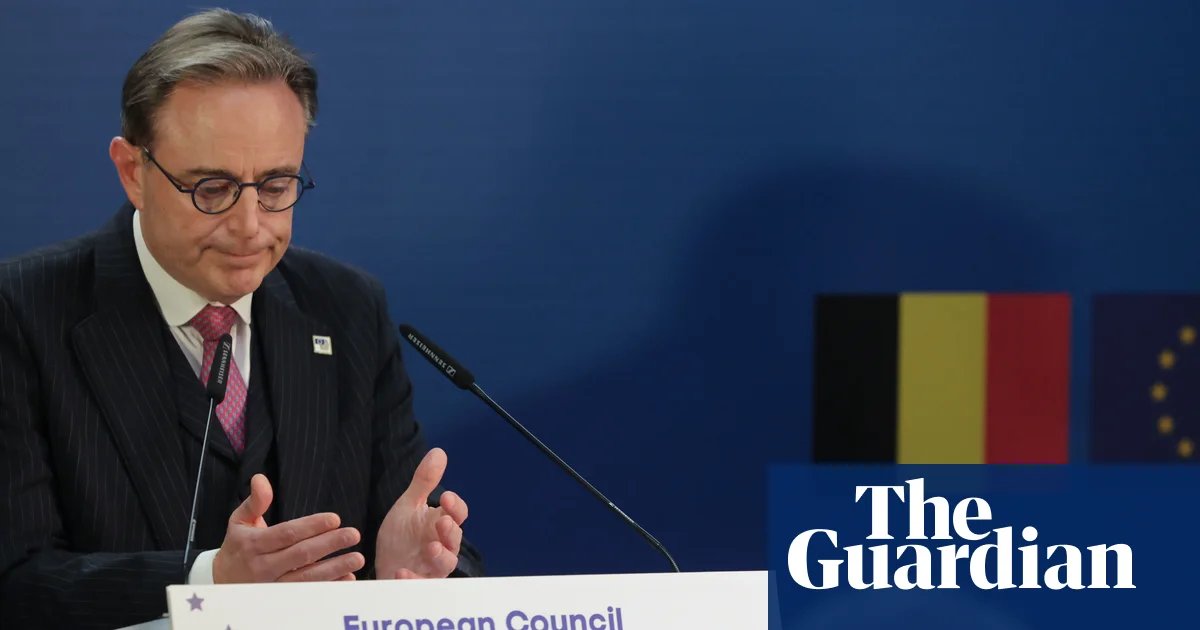
Belgian Prime Minister Bart De Wever stood firm against the proposal, arguing that it would provoke Moscow, which would likely retaliate. He raised concerns that courts in jurisdictions friendly to Russia, including China, might act against Belgian assets.
Pressure from EU Leadership
Throughout the discussions, De Wever faced immense pressure from key EU figures like Ursula von der Leyen and German Chancellor Friedrich Merz, who both viewed the reparations loan as a primary option without an effective backup plan.
The Alternative Approach: Joint Borrowing
In light of growing resistance, a new plan involving collective borrowing emerged. While this alternative was met with some approval from southern EU nations, it encountered backlash from northern states. Germany and its allies were not keen on further increasing the debt burden on already strained member countries.
Negotiating a Compromise
As the summit progressed, there were expectations that De Wever would relent, but he instead pushed for guaranteed financial support from all EU members in case of future Russian claims. This stood as a deal-breaker.
Final Agreement and Its Implications
Ultimately, a compromise was reached, inspired largely by support from Italy’s Giorgia Meloni and France’s Emmanuel Macron. The final plan utilized unallocated funds from the EU budget as collateral for a cooperative loan for Ukraine. Remarkably, consensus was achieved with Eurosceptic nations like Hungary, Slovakia, and the Czech Republic agreeing with certain exemptions.
Significance for Ukraine and the EU
This agreement is a major boon for Ukraine, allowing the country to receive essential support much sooner than the initial proposal would have permitted. While it represents a political setback for some EU leaders, it marks a significant triumph for De Wever and his allies, who can portray this deal favorably within their domestic political landscapes.
Future Implications for the EU
This recent development highlights the ongoing divisions within the EU that can complicate decision-making. Nonetheless, it demonstrates the EU’s ability to reach essential agreements in challenging times. Analysts have suggested that this moment could indicate a transformative path for EU financing policies moving forward.
“If you want to do EU foreign policy, you need EU resources and debt. The European Council delivered.” – Guntram Wolff, Bruegel economic thinktank
A Landmark Move?
As this situation unfolds, observers are left to ponder whether this new approach to collective debt without unanimous agreement might set a precedent for future EU financial strategies.
Conclusion
While the EU’s initial approach to providing aid to Ukraine faced significant hurdles, the eventual agreement highlights a willingness to innovate in the face of adversity. With this loan, Ukraine’s financial plight is alleviated, and the EU may have discovered a new avenue for cooperative financial action.
- EU leaders secured a €90 billion loan for Ukraine amid funding concerns.
- Initial plans for a “reparations loan” utilizing frozen Russian assets were abandoned.
- A collective borrowing strategy was employed, marking a significant shift in EU financial policy.
- The agreement reflects ongoing divisions within the EU but also points toward potential future cooperation.