

EU Leaders Consider Utilizing Frozen Russian Assets to Aid Ukraine
Following months of intense discussions, European Union (EU) leaders are set to decide on Thursday whether to use Russia’s immobilized assets to fund Ukraine, marking a pivotal moment for Europe. This decision could significantly impact Ukraine’s future amid ongoing challenges.
The Proposal
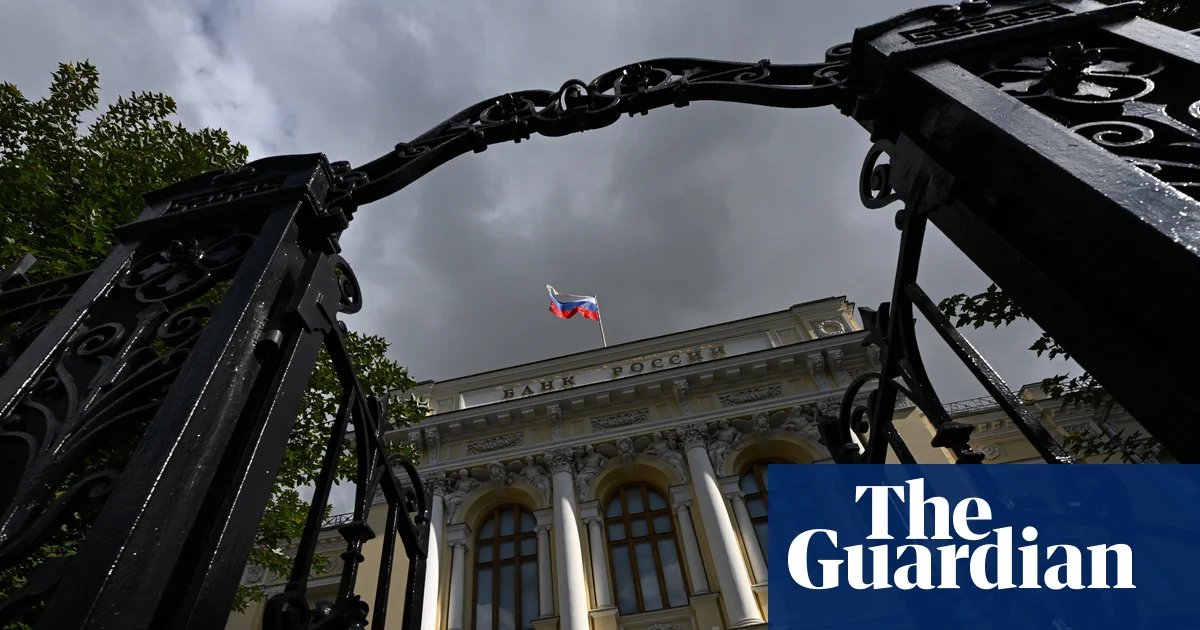
The EU has currently frozen €210 billion (around £184 billion or $247 billion) in Russian central bank assets, predominantly held at Euroclear in Brussels. As the anniversary of the full-scale invasion approaches, the EU aims to leverage these funds to generate a loan for Ukraine.
In this intricate plan, the EU would borrow funds from Euroclear to provide Ukraine with an initial loan of €90 billion, which accounts for about two-thirds of Kyiv’s funding requirements for 2026 and 2027. The expectation is that Ukraine’s other allies will contribute the remaining amount.
Kyiv would only be required to repay the EU if Russia agrees to compensate for the extensive damages caused during the conflict. At that point, the EU would then repay Euroclear. Importantly, throughout this arrangement, Russia would retain legal ownership of its assets.
What is Euroclear?
Often referred to as a bank for banks, Euroclear has emerged from relative obscurity to manage a staggering €40.7 trillion in assets for various clients, including central banks and investment institutions. Originating from the Belgian branch of what is now JP Morgan, Euroclear specializes in facilitating the electronic exchange of cash and securities, eliminating the need for physical currency.
Why the Urgency?
In 2024, EU leaders had already agreed to allocate interest from Russia’s frozen sovereign wealth for Ukrainian support. However, the proposal to access the actual assets has proven much more controversial. Concerns in Brussels, Paris, and Berlin centered around potentially undermining global investor confidence in the eurozone.
A pivotal shift occurred in October when Germany’s new Chancellor, Friedrich Merz, openly supported utilizing the assets without confiscating them, emphasizing the greater economic threats stemming from Russia’s imperial ambitions. Concurrently, Donald Trump has suspended new U.S. military aid to Ukraine, leaving European nations, already facing stagnant economies, struggling to fill the void.
The European Commission estimates that Ukraine requires around €136 billion in 2026 and 2027 to sustain its defense and public services. Without fresh funding by spring, Ukraine risks insolvency, unable to fulfill obligations to soldiers, teachers, and police.
Russia’s Response
Vladimir Putin has decried the use of frozen assets for Ukrainian loans, labeling it “theft of someone else’s property.” The Kremlin has issued warnings regarding the implications for European economic stability and investor trust within the eurozone. The Russian Central Bank has initiated a $230 billion lawsuit against Euroclear and is engaged in over 100 legal disputes in Russia. In retaliation for potential confiscation, Putin has enacted several decrees to facilitate the seizure of Western assets in Russia.
Belgium’s Concerns
Belgium, which holds a significant portion of the frozen assets, has characterized the EU proposal as “fundamentally flawed.” The Belgian government argues that the plan would be perceived as confiscation and poses the risk of incurring liabilities if Moscow successfully pursues legal action against Euroclear and seizes Belgian-owned properties in Russia.
Although EU courts may ignore a Russian judgment, jurisdictions sympathetic to Moscow, such as Kazakhstan or China, might attempt to enforce any claims against Belgium by seizing assets. Belgium has insisted that it will not endorse the plan unless its concerns are fully addressed, including robust guarantees from other EU nations to cover any liabilities against Euroclear. The Belgian government also urges other countries possessing frozen Russian assets, including the UK, Japan, Canada, the U.S., Switzerland, and Norway, to participate in using them for Ukrainian support.
Is There a Backup Plan?
In theory, an alternative exists: EU member states could use unallocated funds from the EU budget as collateral for a loan to Ukraine. This previously utilized strategy was recently put forth by the European Commission. Belgium, supported by Italy, Bulgaria, and Malta, argues that this route represents a more legally secure method to assist Kyiv while leaving the Russian assets intact for the nation’s reconstruction.
However, some officials assert that the frozen-assets plan is the only viable option. Raising funds against the EU budget necessitates unanimous approval, which Hungary’s government, unfriendly towards Ukraine, has already stated it would veto. In contrast, the reparations loan approach only needs a simple majority, which means Belgium could be outvoted, albeit high-ranking EU officials have indicated they prefer to avoid that scenario.
The Consequences of Inaction
If the Thursday and Friday summit concludes without a concrete plan for funding Ukraine, the EU’s credibility could suffer significant damage. Europe may struggle to influence peace negotiations led by a U.S. president who has previously criticized the continent’s leadership.
Merz cautioned about the repercussions of failing to agree on the frozen assets proposal: “If we do not succeed in this, then the European Union’s ability to act will be severely compromised for years, signaling to the world our incapacity to unite and act decisively at this critical juncture in our history.”
What Lies Ahead if a Deal is Reached?
Should an agreement be reached, it would bring relief, but challenges would still loom large. Even with EU leaders endorsing the use of frozen assets, formal legislative processes would be necessary to address Ukraine’s pressing military and civilian requirements by spring.
Furthermore, decisions regarding the hefty costs of reconstructing Ukraine, currently estimated at $524 billion (€506 billion), remain unresolved. Any potential peace agreement must also tackle unresolved issues concerning Ukraine’s borders and security, with Russia showing little willingness to end the conflict.
Key Takeaways
- The EU is contemplating utilizing frozen Russian assets to provide essential funding for Ukraine.
- Belgium opposes this proposal due to concerns over perceived confiscation and legal ramifications.
- Ukraine urgently requires financial support to avoid bankruptcy and maintain public services.
- A failure to reach an agreement may undermine the EU’s credibility and effectiveness on the global stage.