

The Crisis in Maternity Care Amid Conflict
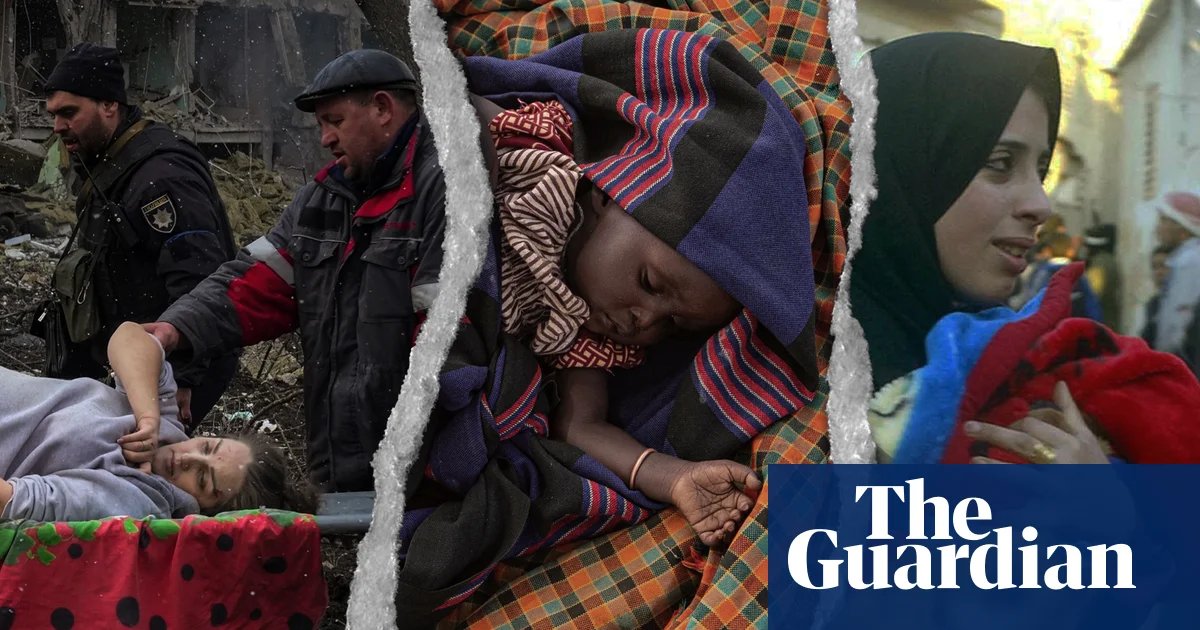
The ongoing civil war in Sudan and other global conflict zones poses a severe threat to maternity care. Recent events highlight the shocking violence faced by women in these areas, particularly in maternity hospitals. This article explores the devastating impact of warfare on maternal health and the urgent need for protection of pregnant women and healthcare facilities in conflict zones.
The Horrific Attack in El Fasher, Sudan
On October 28, thirty women took refuge in a maternity hospital in El Fasher, Sudan, during a brutal attack. Some had recently given birth, while others were in labor. Laboratory technician Abdo-Rabo Ahmed, one of the few survivors, recounted, “I heard the voices of women and children screaming. They were killing everybody inside the hospital. Those of us who were able to run, did.” This incident marked one of the most horrific moments in Sudan’s two-year civil war, where armed soldiers from the Rapid Support Forces (RSF) stormed the facility, leading to the tragic deaths of over 460 patients and their companions. Rights groups have labeled the event as “an unspeakable atrocity,” reflecting a broader crisis affecting civilians trapped in conflict zones such as Ukraine, Gaza, and the Democratic Republic of the Congo (DRC).
Widespread Attacks on Healthcare Facilities
Despite the Geneva conventions, which aim to protect civilians during warfare, there has been a troubling increase in attacks on healthcare systems in recent years. Data from organizations like Insecurity Insight reveals nearly 300 reported incidents targeting maternity care facilities, pregnant women, and healthcare staff over the past three years. Alarmingly, at least 119 of these incidents involved direct strikes on hospitals and delivery wards.
Statistics Highlight the Severity
The majority of these attacks have occurred in Ukraine, Gaza, and Sudan, all of which are mired in conflict. Pregnant women face particularly dire consequences, including being killed, denied access to care, or forced to give birth under unsafe conditions. Reports indicate that at least 68 healthcare professionals, including midwives and obstetricians, have lost their lives, while many others have been kidnapped or arrested while providing assistance.
“These are not natural consequences of war. They constitute a pattern of reproductive violence.” – Sima Bahous, Executive Director of UN Women
The Broader Implications of Attacks
In addition to the loss of life, these violent assaults destroy maternal and neonatal care facilities and threaten a country’s ability to sustain its population. In Gaza, for instance, a UN commission cited the violations of reproductive health rights as part of the rationale for declaring Israel’s actions as genocidal. Despite recent ceasefires, medical professionals in Gaza report that women and children continue to suffer from inadequate care due to equipment shortages and disrupted services.
Challenges in Other Conflict Zones
The situation is equally dire in Ukraine, where attacks on maternity and neonatal facilities have damaged at least 80 hospitals since the beginning of 2022. Reports from frontline facilities indicate that women are forced to give birth underground due to the fear of artillery strikes. The head of the obstetrics department in Kherson stated, “Russia is targeting us deliberately,” a claim that Russia has denied.
The Impact of War on Women’s Health
The conflict has created persistently unsafe conditions for childbirth, increasing complications and risks during labor. Medical experts assert that routine measures can prevent most maternal deaths, yet war conditions dismantle essential healthcare systems. The fear of violence drives many women away from facilities previously considered safe, forcing them to take significant risks.
The Culture of Impunity
With over 676 million women living near active conflict zones lacking sufficient protection, the absence of accountability has led to a “culture of impunity” for those targeting maternity care. Human rights advocates warn that such attacks can be construed as genocide, aimed at preventing births within specific populations.
Conclusion
The situation for maternity care in conflict zones is dire, with many women facing life-threatening conditions as a result of ongoing violence. The narrative surrounding these crises calls for a collective response to safeguard the rights and health of women globally. It’s imperative that we acknowledge and address these injustices to protect maternal health effectively.
Key Takeaways
- In El Fasher, over 460 lives were lost during a brutal attack on a maternity hospital.
- Nearly 300 attacks on maternity care facilities were reported globally in the past three years.
- The absence of accountability for attacks targeting reproductive health fuels a dangerous culture of impunity.
- Most maternal deaths during war are preventable with access to adequate healthcare facilities.