

Thailand and Cambodia Declare Immediate Ceasefire amidst Ongoing Conflict
After weeks of intense clashes that have resulted in significant loss of life and mass displacement, Thailand and Cambodia have reached an agreement for an “immediate” ceasefire. This development marks a critical step in easing the tensions that have escalated along their shared border.
Details of the Ceasefire Agreement
In a cooperative announcement, military officials from both nations confirmed that the ceasefire will be effective from noon local time on Saturday. It encompasses a halt to all forms of military engagement, which includes not only direct attacks on military assets but also on civilians and civilian infrastructure across all regions.
As part of the arrangement, both countries have unanimously agreed to keep their current troop levels stable without any further deployments. Cambodia’s defence ministry opined that any additional military reinforcements would exacerbate existing tensions and hinder long-term resolution efforts.
International Cooperation and Continued Hostilities
In addition to the ceasefire, both nations have expressed intentions to collaborate on demining initiatives and to combat cybercrime, highlighting a commitment to peaceful negotiations moving forward. However, even as discussions were underway, reports emerged of ongoing violence. Cambodia’s defence ministry indicated that Thailand conducted airstrikes in the north-west, targeting specific areas and resulting in collateral damage.
The latest military actions reportedly involved the deployment of F-16 fighter jets dropping several munitions on various locations in Cambodia’s Banteay Meanchey province. These incidents occurred as both countries were in active dialogue to alleviate border conflicts.
Background of the Conflict
Tensions between Thailand and Cambodia have roots in longstanding territorial disputes, which flared into combat starting in late July. Previous attempts at peace, including a ceasefire mediated by Malaysian Prime Minister Anwar Ibrahim and endorsed by international leaders, were disrupted by renewed fighting earlier in December.
According to official reports, Thailand has experienced the loss of 26 soldiers and one civilian due to the clashes since December 7. Furthermore, collateral damage has resulted in 44 civilian fatalities. Cambodia has reported at least 30 civilian deaths and 90 injuries but has not disclosed specific military casualties.
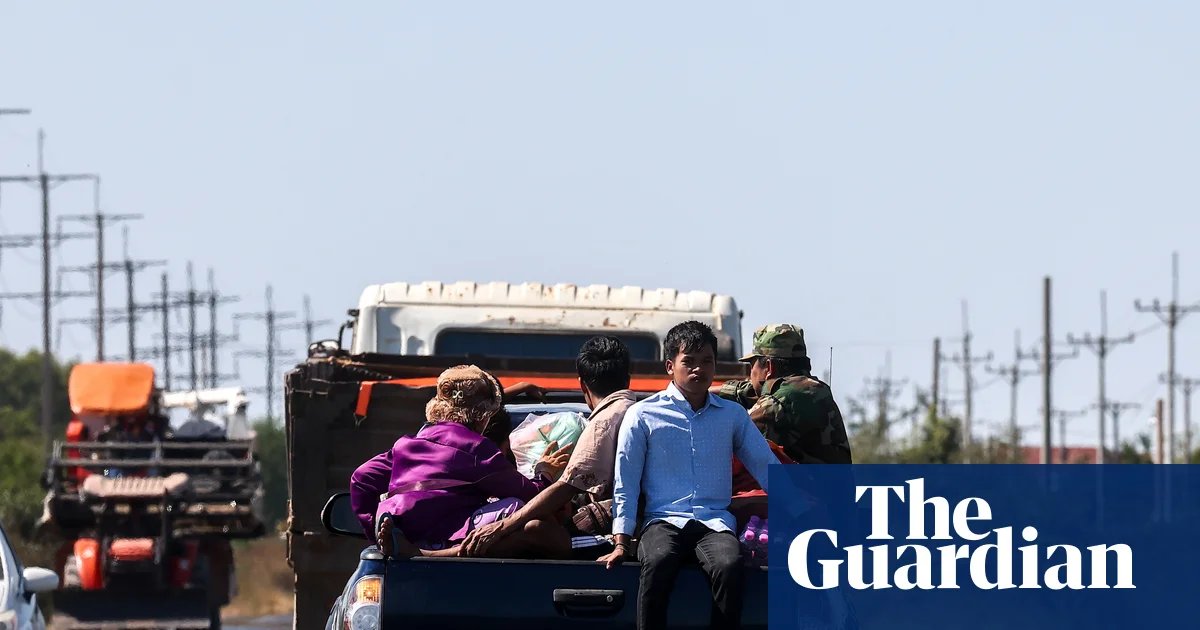
These violent exchanges have forced hundreds of thousands of individuals to evacuate from their homes near the border, further intensifying the humanitarian crisis in the region.
Conclusion
The announced ceasefire between Thailand and Cambodia represents a vital opportunity for peace, yet challenges remain as recent hostilities illustrate. Continued dialogue and cooperation will be essential in addressing the root causes of conflict and fostering stability in the region.
- Thailand and Cambodia have agreed to an immediate ceasefire following weeks of deadly skirmishes.
- The ceasefire involves halting all military actions against each other, including civilian targets.
- As tensions persist, recent airstrikes indicate that hostilities have not completely ceased.
- Hundreds of thousands have been displaced due to the ongoing conflict, highlighting the urgent need for resolution.