

The Aftermath of the Crans-Montana Bar Fire: A Crisis of Accountability in Swiss Governance
In light of the tragic fire at a bar in Crans-Montana, many citizens in Switzerland are questioning the effectiveness of their political structure. Renowned for its efficiency, Switzerland has a decentralized governmental system where local officials—elected by the community—oversee towns and villages. While this approach is valued for promoting accountability, it has its drawbacks, particularly when conflicts of interest arise. For instance, the official responsible for approving a bar license or conducting fire-safety inspections might have personal ties to the bar owner.
The Shock and Grief Following the Fire
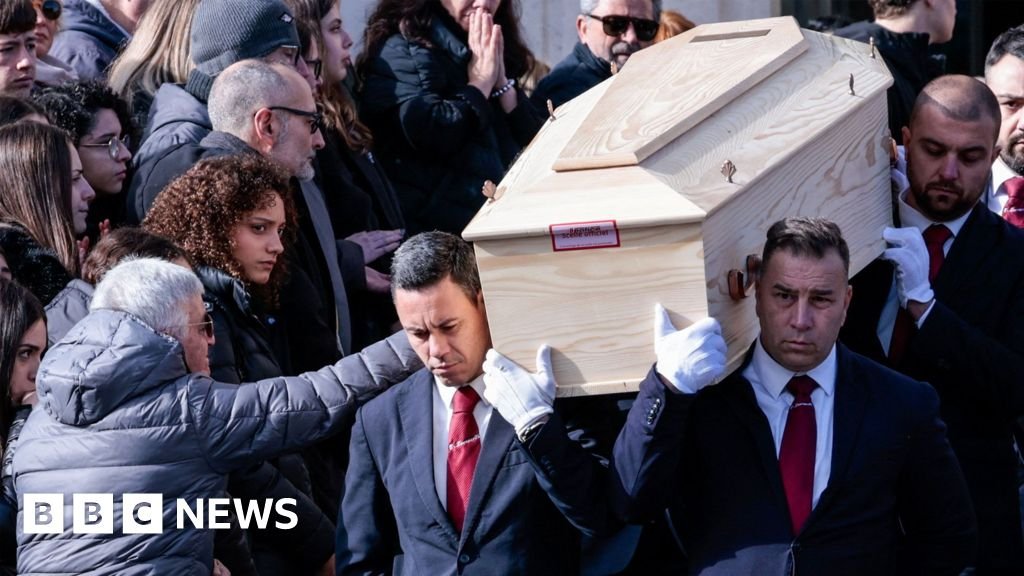
When news broke about the fire at the ski resort on New Year’s Eve, shock initially swept through the nation. Stories of devastating fires like this are not typical in Switzerland. Following the initial shock, grief emerged as reports surfaced that 40 young lives were lost, and 116 individuals were injured, many severely. Questions arose about what led to such a catastrophic event. Just days later, anger ignited when Crans-Montana’s Mayor Nicolas Feraud disclosed that the bar, Le Constellation, had not undergone an inspection since 2019.
Questions of Oversight and Accountability
Located in the Valais canton, Crans-Montana’s fire-safety inspections fall under the purview of Mayor Feraud and his team, which are mandated to occur annually. Alarmingly, Feraud revealed that only 40 out of 128 bars and restaurants in the area were inspected in 2025. When questioned about this oversight, he struggled to provide a satisfactory explanation, attributing the lapses to a shortage of inspectors.
Adding to the discontent, Romy Biner, the mayor of nearby Zermatt, noted that many communities within Valais lack adequate resources to conduct thorough inspections. This sentiment clashes deeply with the public expectations from affluent resorts like Crans-Montana and Zermatt.
A Public Outcry
Faced with pressing inquiries from journalists, Mayor Feraud was asked about his connections to the bar’s owners and whether corruption played a role in the oversight. He firmly denied any wrongdoing. The mother of two survivors voiced her concerns as well, calling for “complete, transparent answers.” As her sons escaped the chaotic scene, they initially feared the worst—that each had perished.
“They escaped, but they are deeply traumatized. They will carry these emotional scars for life,” she expressed.
Challenges of a Devolved Political System
Switzerland’s decentralized political framework places numerous responsibilities on local officials, including the management of schools, social services, and tax collection. Many of these elected representatives hold part-time roles, balancing their governmental duties with full-time careers. As modern communities become increasingly complex, residents expect more accountability and effectiveness—a demand not met as disappointment ran high after the mayor’s press conference. The ensuing headlines were scathing, with many calling for Feraud and his colleagues to resign; however, he stood firm, asserting, “We were elected by the people. You don’t abandon ship in the middle of a storm.”
The Broader Implications
The fallout of this tragedy has escalated to a national level, with widespread discussions about the shortcomings of the political system. The need for change is pressing, especially in light of this incident’s devastating consequences. This isn’t just about a failed safety protocol; it’s about trust and accountability in governance. The President of Valais, Matthias Reynard, expressed his sorrow during a memorial service, pledging to initiate a “strict and independent” investigation, ensuring that those responsible would face accountability.
With the bar owner now under criminal investigation, the scrutiny will also extend to the local government, prompting calls for fire inspection duties to be reassigned from town councils to canton authorities. Some families, represented by lawyer Romain Jourdan, are even planning legal action against Crans-Montana’s town council, demanding accountability from local officials to prevent future tragedies.
Conclusion
The tragic fire in Crans-Montana has ignited discussions on a national scale regarding the efficacy of Switzerland’s decentralized governance. As the country grapples with its reputation for safety and reliability, this incident serves as a sobering reminder of the need for rigorous oversight and reform.
Key Takeaways
- The fire at Le Constellation in Crans-Montana resulted in 40 deaths and numerous injuries.
- Local fire-safety inspections have not been conducted regularly, raising questions about governance.
- There is a growing outcry for accountability and reform in Switzerland’s decentralized political system.
- The incident highlights the critical need for effective safety protocols to restore public trust.