

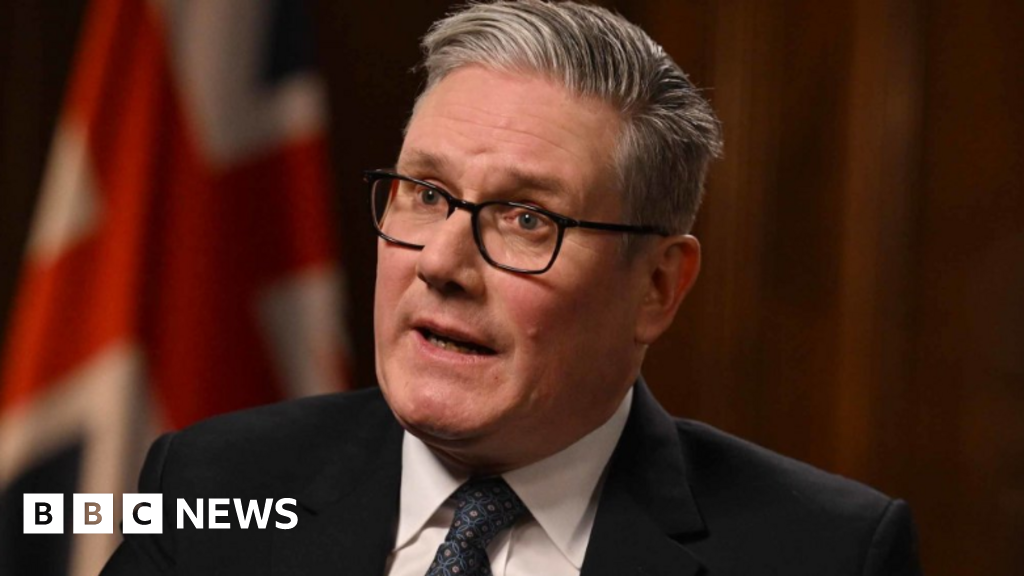
Sir Keir Starmer Advocates for Closer EU Market Alignment
In a recent interview, Prime Minister Sir Keir Starmer expressed his belief that the UK should consider closer alignment with EU markets, citing national interests. During his conversation with Laura Kuenssberg, he emphasized a preference for engaging with the single market over a customs union to safeguard trade agreements with the US and India. However, he maintained that the country would not revisit previous commitments regarding EU membership or the freedom of movement.
Exploring Potential EU Relations
Starmer’s statements represent a significant indication of his intention to foster a more robust relationship with Europe across various sectors. He articulated this vision while facing criticism from the Conservatives, who argue that the Prime Minister is using Brexit as a scapegoat for the UK’s economic challenges.
Current Alignments and Future Prospects
The UK is already aligning with EU regulations concerning food and agriculture, thereby facilitating access to the European single market. As Starmer stated, “I think we should get closer, and if it’s in our national interest to have even closer alignment with the single market, then we should consider that.” He stressed the necessity to approach this issue thoughtfully, assessing each sector individually.
Revisiting Customs Union Discussions
Internal pressures within the Labour Party are prompting discussions regarding the customs union. Thirteen Labour backbenchers are advocating for proposals that would lead to a potential Commons vote on this matter in December. While Starmer acknowledged his commitment to ensuring that “Brexit is safe in my hands,” he clarified that this was not aimed at reversing Brexit but rather focusing on future possibilities that align with national interests.
Youth Mobility and Education Initiatives
Concerns have been raised regarding negotiations for a youth mobility scheme, which might involve considerations around EU citizens’ free movement. Starmer addressed these worries, stating, “That is not the return to freedom of movement; we’re not going back.” He highlighted the benefits of opportunities for young people through initiatives like the Erasmus program, aimed at promoting educational exchanges.
Political Responses and Economic Goals
Critics like Conservative shadow foreign secretary Priti Patel described Labour’s approach as a “Brexit betrayal,” arguing that Starmer’s strategy undermines the UK’s ability to establish independent trade agreements. In response, Liberal Democrat MP Layla Moran praised Starmer’s positive language regarding EU alignment and insisted that significant economic changes are necessary. However, she advocated prioritizing the customs union over the single market policy.
Future Economic Relationships with the EU
As discussions continue, senior trade unionist Paul Nowak emphasized the importance of a “close economic and political relationship with the European Union” for the UK’s growth, echoing sentiments expressed by Deputy Prime Minister David Lammy about exploring alternative models, such as Turkey’s agreements with the EU, which could enhance UK trade.
Conclusion
Sir Keir Starmer’s recent remarks underline a strategic approach towards potential closer ties with EU markets, with a focus on how such relationships can bolster the UK’s economic standing. His commitment to evaluating each sector’s needs and implications could pave the way for significant discussions in the near future.
- Starmer emphasizes national interest in considering EU market alignment.
- The Prime Minister rules out revisiting previous Brexit commitments.
- Internal pressures within Labour are pushing for customs union discussions.
- Concerns about free movement arise amid youth mobility negotiations.