

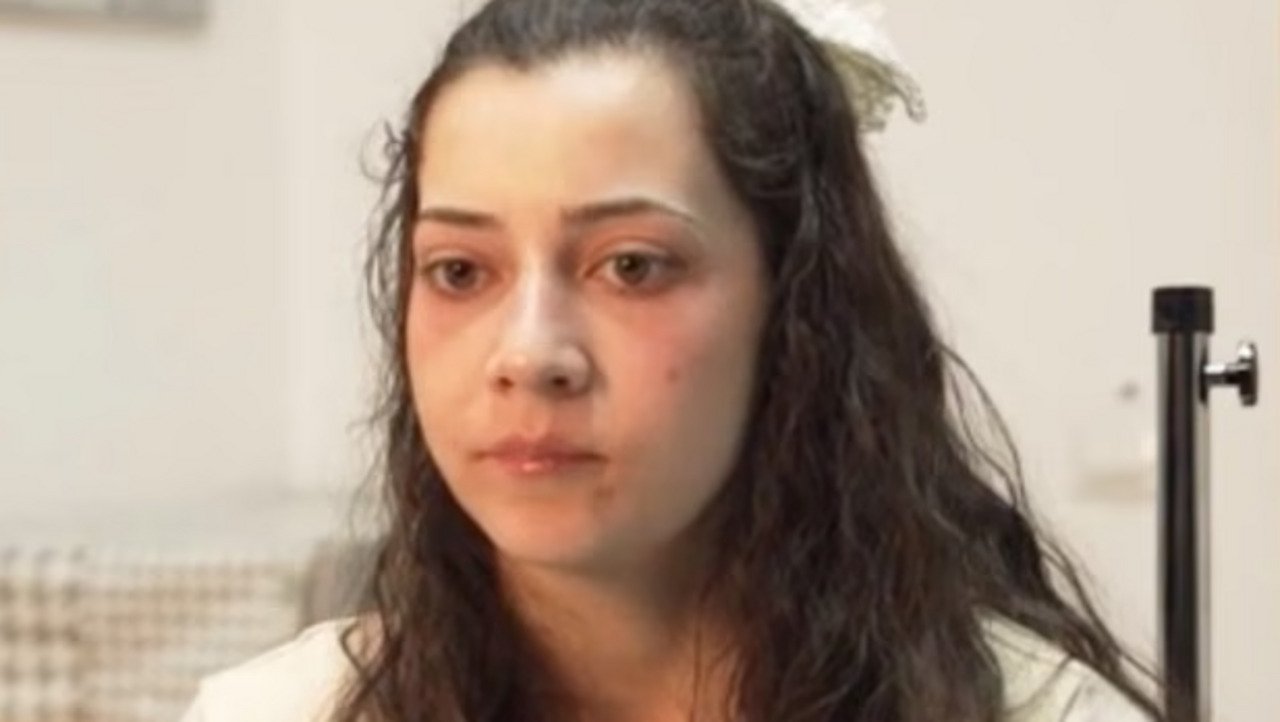
The Tragic Case of Noelia Castillo: A Fight for Euthanasia in Spain
Noelia Castillo, a 25-year-old woman from Spain, made headlines recently as she sought euthanasia amidst a complicated legal battle with her own family. Last Thursday in Barcelona, she finally received medication that ended her life, a culmination of nearly two years of advocacy for her right to choose death due to her prolonged suffering. Castillo’s case captured the attention of the nation and highlighted the complexities of Spain’s euthanasia laws, which were established in 2021.
The Legal Struggle
Castillo had been fighting for her right to die after a medical panel in Catalonia approved her plea for euthanasia in 2024. Her family, particularly her father, opposed her decision, leading to a protracted legal battle that drew significant media scrutiny. The backdrop of this fight was Spain’s recent legislation permitting euthanasia and physician-assisted suicide for individuals meeting specific criteria, including suffering from unbearable, chronic conditions.
A Heartbreaking Journey
In an interview with Spanish broadcaster Antena 3, Castillo expressed relief upon finally managing to end her suffering, stating, “At last, I’ve managed it, so let’s see if I can finally rest now. I just cannot go on anymore.” Despite her strong desires, her parents remained in opposition until the very end, guided by the conservative Catholic group Abogados Cristianos.
Polonia Castellanos, the president of Abogados Cristianos, expressed their deep disappointment with the outcome and criticized the Spanish government for allowing Castillo to die. “Death is the last option, especially when you’re very young,” Castellanos remarked.
Background of Suffering
Castillo had battled psychiatric issues since her teenage years and had made two attempts to end her life. The second attempt followed a traumatic sexual assault, leaving her unable to walk and reliant on a wheelchair. This harrowing background added layers to her request for euthanasia.
The Legal Process
In April 2024, she submitted her request for euthanasia to an independent committee in Catalonia composed of medical and legal professionals. They approved her application, citing her condition as serious, chronic, and debilitating. Nonetheless, the journey was far from straightforward. Opponents, including her father, contested the decision, arguing that Castillo’s mental health issues impaired her ability to make such a grave choice.
The case eventually escalated to Spain’s Supreme Court, which upheld her rights in January. Attempts by Abogados Cristianos to intervene through the European Court of Human Rights were also denied earlier this month.
Community Reactions
After Castillo’s death, Castellanos reiterated the stance that Castillo had a personality disorder and declared the situation a significant failure of the euthanasia law. She commented on the original intention of the law, stating, “We’ve been told it was a law for very extreme cases… Here we see that it’s being used to end the life of a girl of only 25 years who has her whole life ahead of her.”
Speaking about the growing stigma surrounding her decision, Castillo shared her feelings, saying, “None of my family is in favour of euthanasia… but what about the pain that I’ve suffered all of these years?”
Calls for Change
The case prompted a disability rights organization in Madrid to advocate for a reassessment of Spain’s euthanasia regulations, asserting the need for improved resources for those living with disabilities or chronic illnesses. Javier Font, president of the Federation of Associations of People with Physical and Organic Disabilities of Madrid, emphasized, “Before facilitating death, the system must effectively guarantee the conditions for living with dignity.”
A European Context
Spain’s framework is among nine European nations that allow assisted dying under stringent guidelines. While medically-assisted suicide lets patients administer medication to end their lives, euthanasia involves healthcare providers administering lethal solutions. As of the end of 2024, over 1,100 individuals had been granted euthanasia in Spain since the law’s implementation.
Conclusion
Noelia Castillo’s case serves as a significant touchstone in the ongoing discussions around euthanasia and patient rights in Spain. It paints a complex picture of personal choice, familial opposition, and societal responsibility surrounding the laws governing life-ending practices.
- Noelia Castillo, 25, sought euthanasia after enduring severe psychiatric suffering.
- Her family opposed her decision, leading to a highly publicized legal battle.
- The Spanish law permitting euthanasia has faced scrutiny and criticism since its enactment.
- Calls for reform in disability support and the euthanasia law have emerged in light of Castillo’s case.