

The Coup Attempt that Shook Spain
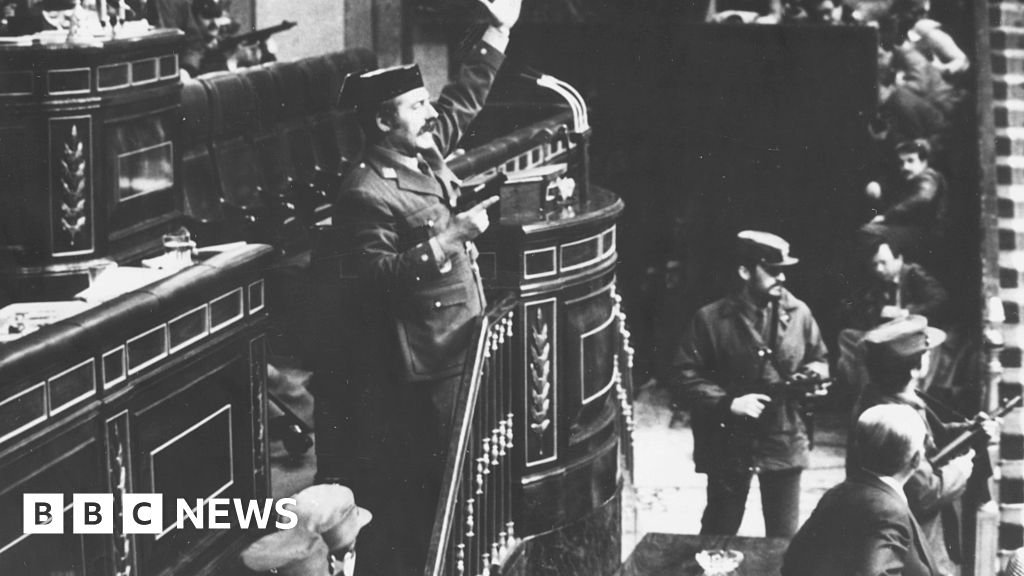
On February 23, 1981, Spain experienced a dramatic moment in its history when a group of military officers led by Lieutenant Colonel Antonio Tejero stormed the national parliament. Armed and aggressive, they interrupted the swearing-in ceremony of a new government. This audacious move aimed to resurrect authoritarian rule just six years after the passing of the country’s long-standing dictator, Francisco Franco.
The Context of the Coup
The backdrop of this operation was a nation in transition. Following Franco’s death in 1975, Spain was venturing into the complexities of democracy and modernization. This period saw widespread attempts to establish democratic governance and civil rights, a significant shift from decades of oppressive rule.
The Events of the Day
On that fateful night, as parliamentarians gathered to welcome the new administration, chaos erupted. Tejero and his armed followers took control, forcing politicians to the ground and creating an atmosphere of terror. Their intent was unmistakable: to reinstate a military dictatorship and halt the democratic process.
Public Reaction
The Spanish public watched in disbelief as televised images of the coup unfolded. Fear and uncertainty permeated the nation. Many were concerned about the potential return of an authoritarian regime, reminiscent of Franco’s era. Yet, amidst this turmoil, a strong resistance slowly began to form.
The Aftermath
As the standoff continued, King Juan Carlos I played a pivotal role. He addressed the nation on television, firmly rejecting the coup and reaffirming his commitment to democracy. His decisive stand rallied public support and was instrumental in restoring order.
Consequences for Spain
The coup’s failure marked a turning point for Spain. It underscored the resilience of the democratic movement and solidified the monarchy’s role in safeguarding democratic values. In the years that followed, Spain would continue to strengthen its democratic foundations, ensuring that the dark shadows of authoritarianism would not reclaim their hold.
Conclusion
February 23, 1981, remains a significant date in Spain’s history, representing a critical moment where the nation confronted the specter of its authoritarian past. The resilience displayed by the public and leadership during this crisis was vital in cementing the path toward a flourishing democracy.
- On February 23, 1981, a coup was attempted in Spain by military officers led by Tejero.
- The event aimed to revive authoritarian rule following Franco’s dictatorship.
- King Juan Carlos I’s decisive action helped thwart the coup and restore democracy.
- The failed coup became a symbol of Spain’s commitment to democratic governance.