

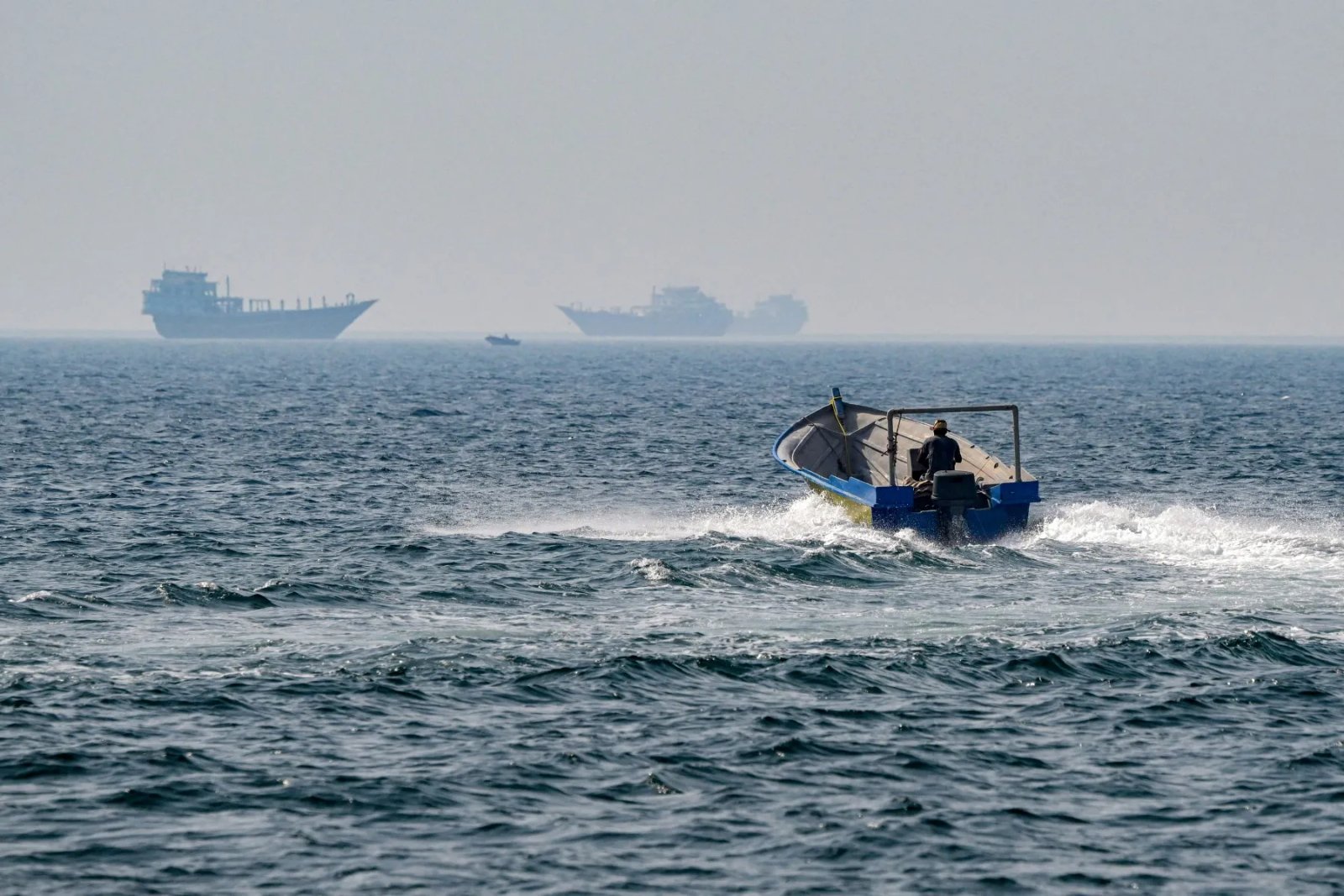
Strait of Hormuz: Tensions Remain Despite Ceasefire Agreement
Recent developments between Washington and Tehran have highlighted ongoing tensions, as both nations accuse one another of failing to adhere to a ceasefire agreement. Despite the truce, shipping activity in the Strait of Hormuz is largely stalled, raising concerns about one of the most significant disruptions to global energy supplies in history.
Minimal Shipping Activity
Since the announcement of a two-week pause in hostilities on Tuesday, vessel movements through the crucial strait have been alarmingly sparse. Shipping data indicates that only a few vessels have made their way through the area, leaving many stranded. Reports from market intelligence firm Kpler show a dip in transit numbers—five vessels crossed the strait on Wednesday, down from eleven the prior day, and only seven did so on Thursday.
Significant Backlog
Currently, over 600 ships, including 325 tankers, are awaiting passage due to the blockage in the strait, as reported by Lloyd’s List Intelligence. While some vessel movements have resumed, the overall level of traffic remains cautious, and experts like Kpler trade risk analyst Ana Subasic note that even if the ceasefire holds, maximum transits are expected to be limited to 10-15 vessels per day.
Strategic Importance of the Waterway
The Strait of Hormuz is crucial for global energy transportation, typically accounting for roughly one-fifth of the world’s oil and liquefied natural gas supplies. Under normal circumstances, the waterway sees between 120 and 140 transits daily. However, following the US and Israeli attacks on Iran that began on February 28, maritime traffic has been severely disrupted.
Accusations from Both Sides
In a social media statement, US President Donald Trump criticized Iran for not fulfilling its obligations under the ceasefire, which includes ensuring “safe passage” through the waterway. He expressed that Iran’s actions have fallen short of expectations.
“Iran is doing a very poor job, dishonorable some would say, of allowing oil to go through the Strait of Hormuz,” Trump stated.
Conversely, Iranian Foreign Minister Abbas Araghchi has accused the US of not upholding its end of the agreement and warned them to choose between maintaining a ceasefire or escalating conflicts through their ally in the region.
“The world sees the massacres in Lebanon,” Araghchi remarked, asserting that the responsibility now lies with the US.
Market Reactions
Following the ceasefire announcement, oil prices initially dropped but have since begun to rise again. Analysts indicate that the ongoing logistical issues in the Strait of Hormuz persist despite the agreement. Sultan Ahmed Al Jaber, CEO of the UAE’s state-run oil company ADNOC, made it clear that passage through the strait remains restricted.
“Access is being restricted, conditioned, and controlled. That is not freedom of navigation. That is coercion,” he stated.
As of early Friday, Brent crude oil, the international benchmark, was priced at $96.39 per barrel. Notably, stock markets in Asia opened on a positive note, buoyed by expectations of a resolution to the ongoing conflicts.
Market Performance
Japan’s Nikkei 225 index climbed 1.8 percent, while South Korea’s KOSPI and Hong Kong’s Hang Seng Index saw increases of about 2 percent and 1 percent, respectively.
Conclusion
The ongoing standoff between the US and Iran poses serious challenges for maritime activity in the Strait of Hormuz. With accusations flying from both sides and a significant backlog of vessels waiting to transit, the resolution of this crisis remains critical for global energy stability.
Key Takeaways
- Shipping activities in the Strait of Hormuz remain limited despite a ceasefire agreement.
- Over 600 vessels are currently stranded, highlighting the severity of the disruption.
- Both the US and Iran are making accusations of non-compliance with the ceasefire terms.
- The market is reacting to rising oil prices as shipping access remains controlled.