

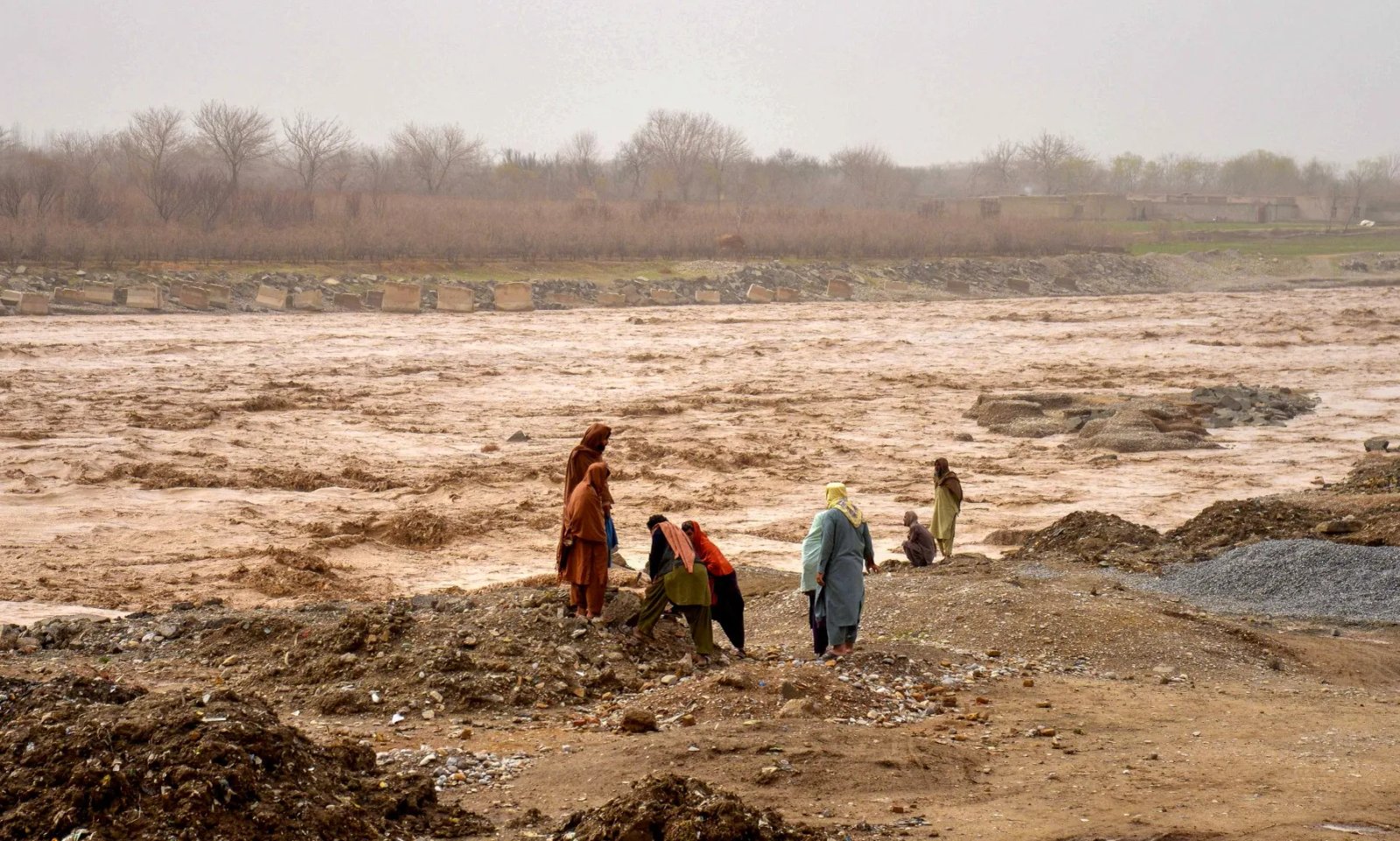
Tragic Impact of Severe Weather in Afghanistan
Recent heavy rains and snowfall in Afghanistan have ended a long dry spell but also unleashed flash floods that have devastated several areas, resulting in at least 17 fatalities and injuring 11 others. This unfortunate series of events highlights the ongoing struggles faced by communities in the region, where harsh weather conditions significantly affect daily life.
Fatalities and Immediate Consequences
Among the deceased are five members of a family who perished when their home collapsed under the weight of the rain on Thursday in the Kabkan district of Herat province. Sadly, included in the casualties were two young children. According to Mohammad Yousaf Saeedi, spokesperson for the Herat governor, the situation is dire as most of the casualties have been reported since Monday, with many districts severely impacted by flooding.
Widespread Damage
Mohammad Yousaf Hammad, spokesperson for the Afghanistan National Disaster Management Authority (ANDMA), noted that the flooding has wreaked havoc on infrastructure, resulted in livestock deaths, and affected approximately 1,800 families, complicating the already challenging circumstances for both urban and rural communities. Assessment teams have been dispatched to the severely affected regions to evaluate the situation and identify the necessary support.
Distressing Images from the Floods
Disturbing footage shared online captured the chaos caused by the flash floods. In one video, a truck was seen overturning on the Herat-Kandahar highway near Dasht-e Bakwa, while another clip showed passengers desperately attempting to escape from a bus that flipped over in the strong currents.
The Broader Context
Afghanistan, like its neighbors Pakistan and India, is particularly susceptible to extreme weather events, especially flash floods that follow seasonal rains. Decades of conflict, inadequate infrastructure, deforestation, and the escalating effects of climate change have intensified the impact of such disasters, particularly in remote areas where many homes are constructed from mud and provide little protection against natural calamities.
Earlier this year, a powerful 6.0 magnitude earthquake near Afghanistan’s border with Pakistan claimed over 1,400 lives. Rescue attempts for those affected by the earthquake were further complicated by subsequent flash floods in Nangarhar province, which borders Khyber Pakhtunkhwa in Pakistan.
Humanitarian Crisis Looms
The United Nations and various humanitarian organizations have raised alarms about the ongoing humanitarian crisis expected to persist in Afghanistan throughout 2026. Recently, the UN, in partnership with its humanitarian colleagues, launched a $1.7 billion appeal aimed at providing assistance to nearly 18 million people in urgent need across the country.
Conclusion
The tragic outcomes of the recent flooding in Afghanistan underscore the urgent need for comprehensive disaster response strategies and support for vulnerable communities facing the impacts of extreme weather. As the nation grapples with ongoing humanitarian challenges, the resilience of its people is critically tested.
- Severe weather in Afghanistan has led to flash floods, resulting in at least 17 deaths and 11 injuries.
- Five family members died when their home collapsed due to heavy rains in Herat province.
- Approximately 1,800 families have been affected, with significant infrastructure damage reported.
- The UN has launched a $1.7 billion appeal to support nearly 18 million people in need.