

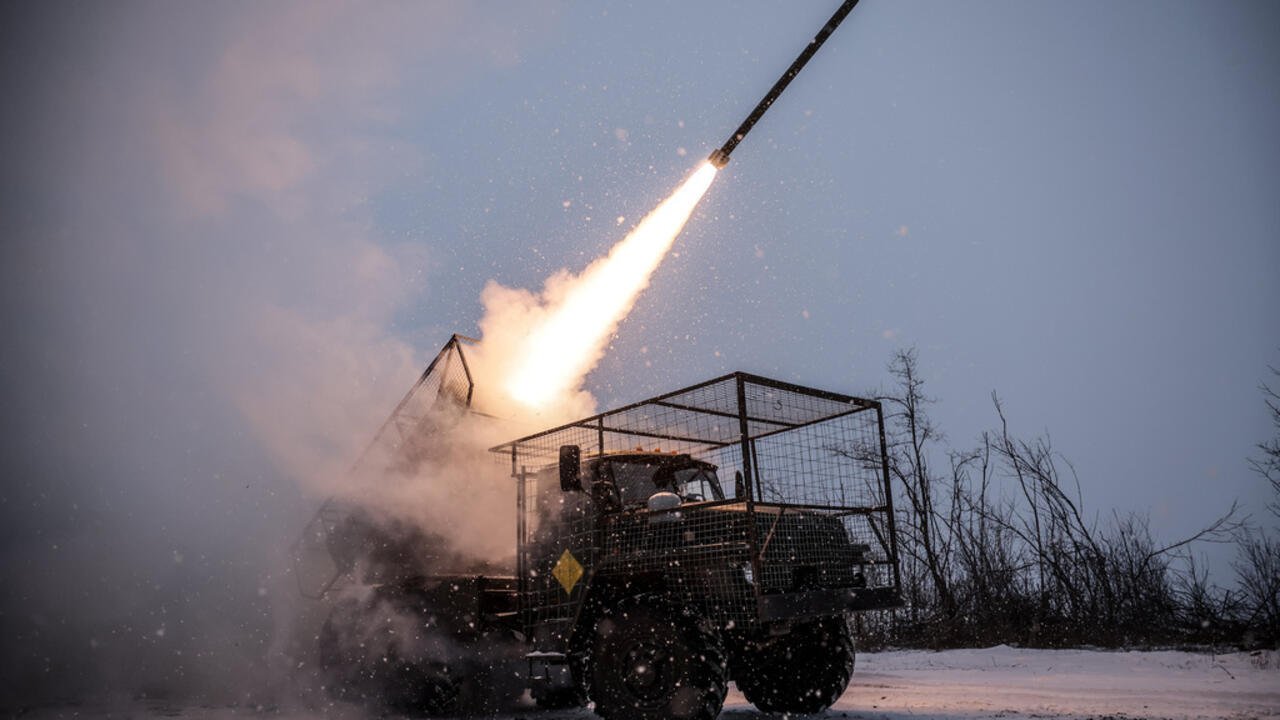
Russian Army’s Stagnation in Ukraine: A Significant Shift
In a remarkable turn of events, Russia’s military reported no territorial advances on the front lines in Ukraine during March, marking a significant milestone after two and a half years of consistent gains. An analysis from the Institute for the Study of War (ISW) highlighted that Ukrainian forces successfully reclaimed 9 square kilometers in March amidst a slowdown in Russian operations across the entire front.
Context of Stagnation
This noteworthy pause in Russian progression comes amidst broader changes in the conflict dynamics. The figures noted do not account for infiltration operations by Russian troops outside the established front lines, nor do they include advances that Russia has claimed without verification from the ISW.
Analysis of the Findings
The ISW, in collaboration with the Critical Threats Project of the American Enterprise Institute, highlighted that the Russian army has been gradually losing momentum since late 2025. In January 2026, Russian forces managed to capture 319 square kilometers, followed by a decrease to just 123 square kilometers in February—the lowest territorial gains since April 2024.
Reasons Behind the Slowdown
Several factors contributed to the recent slowdown of the Russian army:
- Increased Ukrainian counter-offensives in southeastern Ukraine.
- Restrictions imposed by authorities on the use of Starlink terminals in Ukraine.
- Limited access to Telegram, a popular messaging app among Russians, particularly those on the front lines.
Due to these restrictions, Telegram has become largely inaccessible in recent months, affecting communication for many troops.
Shifts in Territorial Control
In February, Russia experienced further losses on the southern front, specifically between the Donetsk and Dnipropetrovsk regions. At the end of January, this area was under Russian occupation, spanning over 400 square kilometers, but by March, it had diminished to 144 square kilometers.
Challenges for Ukrainian Forces
While Russian forces have faced setbacks, the situation in northern areas, particularly in the Donetsk region near Kramatorsk and Sloviansk, remains challenging for Ukraine.
Looking Ahead
In 2025, the Russian military demonstrated more progress in Ukraine compared to the previous two years. However, the first quarter of 2026 saw Russian territory gains reduced to half of what they had achieved during the same period the year before. Four years into Russia’s full-scale invasion, Moscow currently controls slightly over 19 percent of Ukraine, predominantly seized in the conflict’s early stages. Notably, about seven percent of the territory, including Crimea and parts of the Donbas region, was already under Russian or pro-Russian separatist control prior to the invasion.
Conclusion
The lack of territorial gains by the Russian army in March highlights a significant shift in the ongoing conflict in Ukraine. Factors such as Ukrainian counter-offensives and communication restrictions have led to this stagnation, raising questions about the dynamics of the conflict moving forward.
Key Takeaways:
- For the first time in 30 months, Russia recorded no territorial gains in March 2026.
- Ukrainian forces reclaimed 9 square kilometers during this period.
- Russian advances slowed significantly due to counter-offensives and communication restrictions.
- As of now, Russia occupies over 19% of Ukraine, mostly seized in the conflict’s early months.