

The Economic Impact of Global Conflicts on Russian Fossil Fuel Revenues
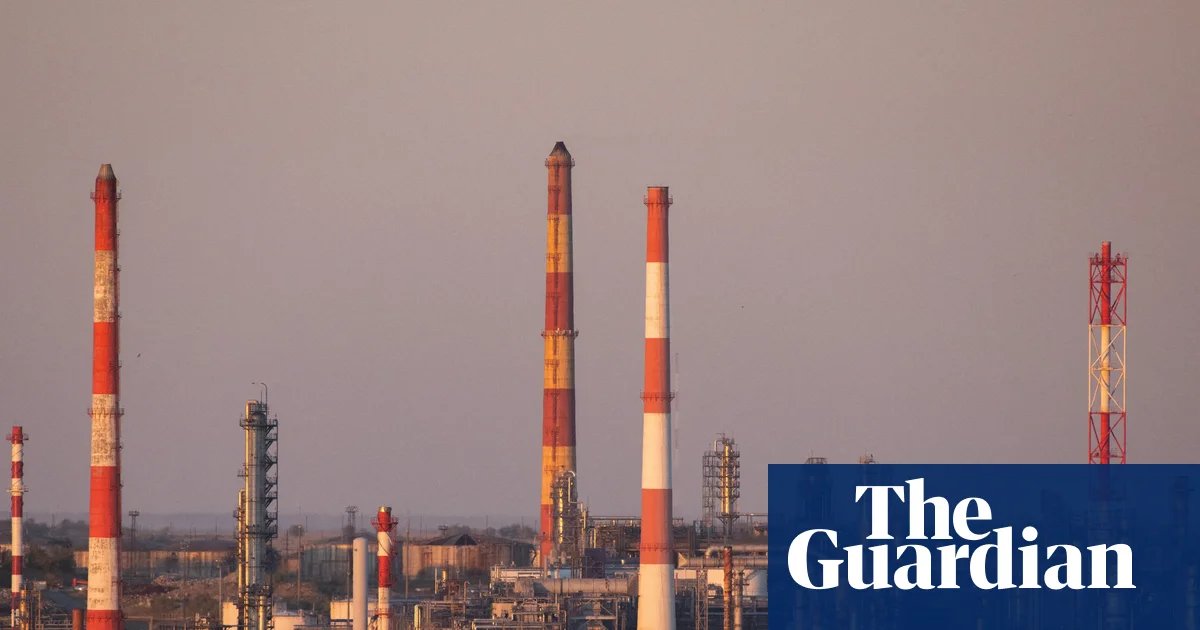
The ongoing conflicts around the world, particularly the recent US-Israel war with Iran, have significantly impacted global oil markets, resulting in a substantial financial windfall for Russia. In just a couple of weeks since the conflict intensified, Russia has reportedly accumulated approximately €6 billion (£5 billion) from the sale of its fossil fuels.
Surge in Revenue Amidst Conflict
Recent data indicates that Russia’s revenue from oil, gas, and coal sales surged by around €672 million in March alone, reflecting an overall increase of 14% in average daily prices compared to February. The figures highlight a remarkable trend, with a large portion—around €625 million—attributed solely to oil trading, as reported by the Centre for Research on Energy and Clean Air (CREA).
U.S. Sanctions and Market Reactions
These observations come on the heels of former President Donald Trump’s announcement regarding potential easing of U.S. sanctions on Russian oil. This decision aims to address rising global prices following a conflict that began on February 28, marked by airstrikes that resulted in the death of Iran’s supreme leader, Ali Khamenei.
Impact on Global Oil Supply
The International Energy Agency (IEA) has also raised alarms about the broader impact of the war, indicating that it has reduced oil and gas production in the Gulf region by at least 10 million barrels per day. They noted that this could be one of the largest supply disruptions in the history of the global oil market.
Funding Military Operations
For Russia, these revenues are crucial for funding military operations, particularly in the context of ongoing tensions in Ukraine. Alexander Kirk, a sanctions advocate at the NGO Urgewald, emphasized that in times of market anxiety, authoritarian regimes tend to capitalize financially. He pointed out that the estimated €6 billion earned from fossil fuel exports directly contributes to the Kremlin’s military efforts.
The Implications of Easing Sanctions
Kirk cautioned against the relaxation of sanctions, suggesting it would not stabilize the markets but rather allow Russia to sell its oil at higher prices. Currently, U.S. sanctions have compelled Russian crude to be traded at substantial discounts. Easing these sanctions could quickly close that pricing gap, resulting in billions of euros flowing into the Kremlin, especially when external pressures are beginning to mount.
Trends Prior to the Conflict
Data from CREA before the onset of the Iran conflict indicated a decline in revenue from Russian fossil fuel exports over the previous year, despite an increase in the volume of oil exports. The IEA also noted that revenues from crude oil and refined products had dropped to their lowest levels since the beginning of the Ukraine conflict just prior to the Iran war. This decline was partly attributed to reduced exports to India, influenced by U.S. discouragement, as well as complications stemming from attacks on key oil pipelines in January.
Conclusion
The recent spike in Russian fossil fuel revenues amidst ongoing global conflicts presents a complex picture of the interplay between geopolitics and energy markets. As these tensions continue, the economic ramifications for both Russia and the international community remain critical points of discussion.
Key Takeaways
- Russia has gained approximately €6 billion from fossil fuel exports since the US-Israel conflict began.
- Increased revenues have been driven primarily by oil trading, reflecting a 14% rise in global prices.
- Potential easing of U.S. sanctions on Russian oil could significantly boost Kremlin revenues.
- Global oil markets face one of the largest supply disruptions historically, as per IEA reports.