

Russia’s Assertive Claims in Ukraine and International Reactions
As tensions between Russia and Ukraine continue to escalate, fresh claims from Moscow suggest a new strategy aimed at showcasing military achievements while influencing upcoming peace negotiations with the United States. Recent statements from Russian President Vladimir Putin indicate a strong assertion of territorial gains in Ukraine, despite contradictory evidence from various observers.
Russian Claims of Territorial Gains
During a year-end news conference, President Putin announced that Russian forces had reportedly captured key locations, such as Siversk in eastern Donetsk and Vovchansk in northern Kharkiv. He further claimed that Russian troops maintained control over significant parts of Lyman and Kostiantynivka, along with Hulyaipole in southern Zaporizhia, all of which are considered vital front-line towns.
Contradictory Evidence
However, analysts from the Institute for the Study of War (ISW), a think tank based in Washington, have disputed Putin’s assertions. They cited satellite imagery and open-source information that failed to support the claims of these territorial advances. According to ISW, evidence suggests that Russian forces have only made minor penetrations into some of these areas, with no more than 7.3% of Hulyaipole and 2.9% of Lyman under their control.
In addition, the ISW noted that even reports from Russian military bloggers, who often speak in favor of the Kremlin, did not fully back Putin’s declarations. They reported that Russian forces might have achieved only a maximum of 7% control over Lyman and 11% over Kostiantynivka.
Situations in Other Regions
The Kremlin has also claimed full control over Kupiansk in Kharkiv and Pokrovsk in Donetsk. However, the ISW estimated that Russia controls at most 7.2% of Kharkiv, with Ukrainian forces reportedly having reclaimed 16 square kilometers (about 6.1 square miles) in Pokrovsk.
On December 18, Russian Commander Valery Gerasimov presented figures indicating that Russia had captured around 6,300 square kilometers (approximately 2,432 square miles) of Ukrainian territory in the present year. This claim exceeds last week’s statistics announced by Defense Minister Andrei Belousov, which totaled 6,000 square kilometers (around 2,300 square miles). In reality, the ISW estimates that Russia has gained control over a maximum of 4,984 square kilometers (1,900 square miles), which encompasses 196 settlements.
The Broader International Context
These dubious claims from Russia have emerged during a period of intensified negotiations between U.S. and Ukrainian officials for a potential peace plan. Following three days of talks in Florida, Ukrainian President Volodymyr Zelenskyy remarked on the prospects of a conclusive agreement, emphasizing a commitment to cooperation.
Contentions Over Territorial Issues
Despite these dialogues, Zelenskyy’s publicized 20-point plan reveals significant disagreements, particularly regarding territorial issues. Russia demands that Ukraine fully cede control over regions including Donetsk, Luhansk, Zaporizhia, and Kherson, as well as Crimea, a request that Ukraine adamantly rejects. European officials have advocated deferring territorial discussions until a complete ceasefire is established.
Security and Membership Considerations
In a noteworthy development, the U.S. has agreed to provide NATO-level security assurances to Ukraine, which could obligate NATO to intervene militarily if Russia were to launch further attacks. Meanwhile, the European Union has expressed intentions to grant Ukraine full membership in the near future, which would similarly afford mutual defense provisions.
Ongoing Military Actions and International Support
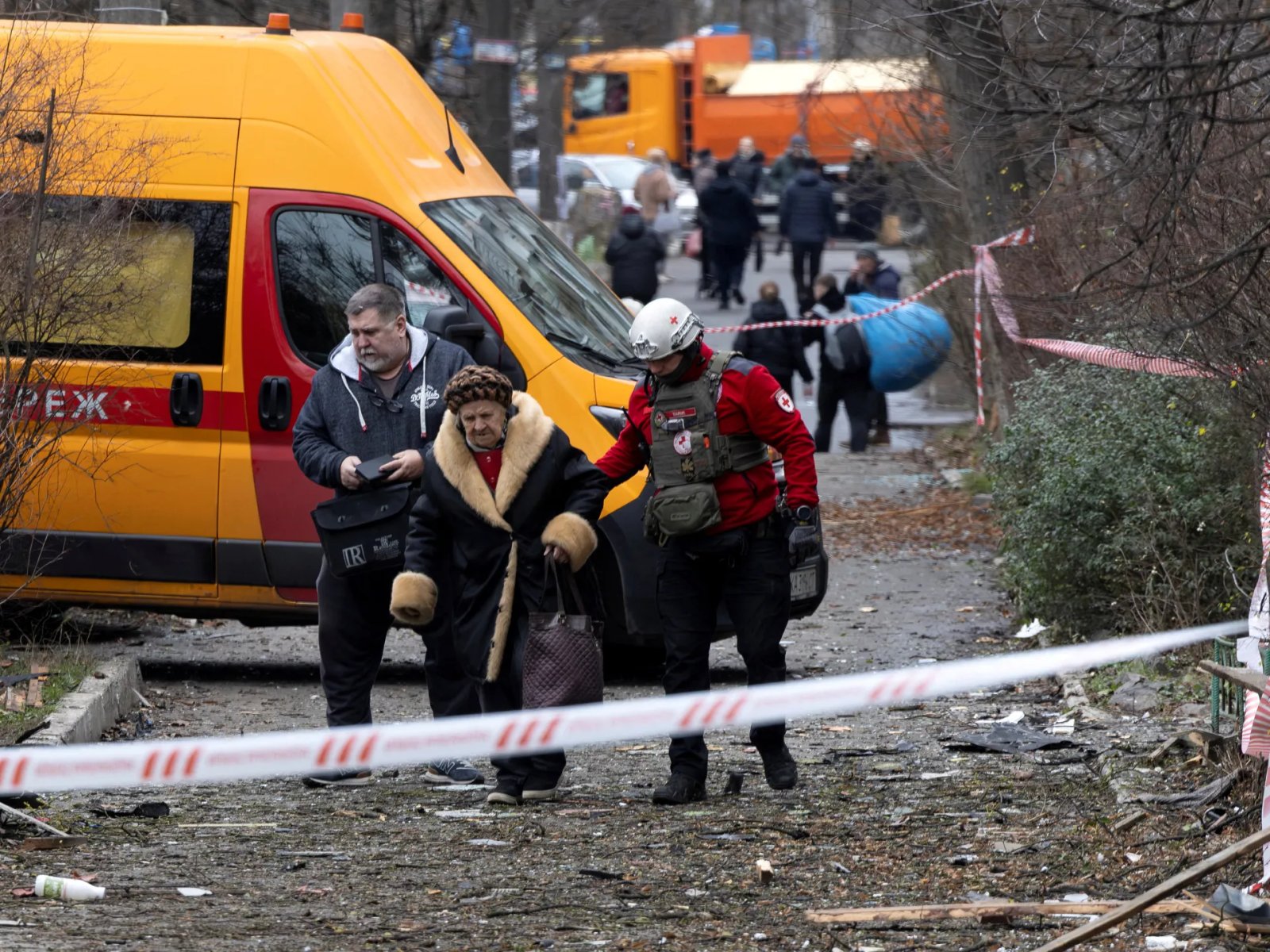
Amidst these diplomatic efforts, both Russia and Ukraine have continued their military campaigns, employing drones and missiles in long-range strikes. In just one week, Russia deployed over 1,200 drones and more than 40 missiles against Ukraine, with the latter successfully intercepting a significant proportion of these attacks. Nonetheless, civilian casualties have occurred, including the tragic loss of lives during targeted strikes.
Ukraine’s Strategic Counteractions
On December 20, Ukraine’s State Security Service conducted operations targeting Russian aircraft at an airbase in Crimea, further highlighting its commitment to counteracting Russian military advancements. Additionally, Ukraine has struck critical Russian infrastructure, aiming to disrupt supply lines and economic resources.
European Financial Assistance
While military support from various nations has ebbed and flowed, Ukraine has secured substantial financial backing from the European Union, amounting to a €90 billion ($106 billion) loan intended for reconstruction efforts. Zelenskyy has been vocal about linking these funds to Russian state assets currently immobilized in European banks, although a consensus on this matter remains elusive.
Conclusion
As the conflict in Ukraine intensifies, the rhetoric from both sides continues to shape international perceptions and military strategies. Russia’s bold claims attempt to assert dominance, while Ukraine’s strategic countermeasures and international support reflect its resilience and determination to reclaim its territory. The ensuing negotiations and military engagements will significantly impact the region’s future.
- Putin asserts significant territorial gains in Ukraine.
- U.S. and Ukraine engage in critical peace negotiations.
- Discrepancies exist between Russian claims and independent analyses.
- Europe and the U.S. continue to support Ukraine through financial and military assistance.