

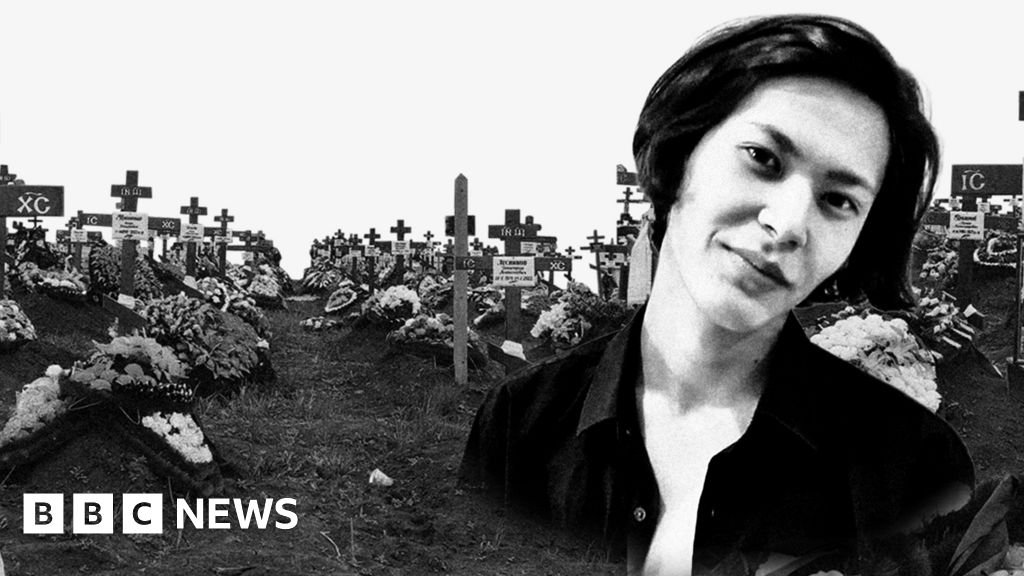
Rising Russian Casualties in the War with Ukraine
The ongoing conflict between Russia and Ukraine has seen a significant uptick in Russian military casualties, especially over the past ten months. This article delves into the alarming statistics of Russian losses, the factors influencing these numbers, and personal stories, including one of a young soldier whose life was profoundly impacted by the war and its associated challenges.
Increasing Casualties: A Growing Concern
Recent analyses indicate that Russian military losses have surged, reaching levels not seen since the inception of the full-scale invasion in 2022. Under pressure from diplomatic efforts led by the U.S. in 2025, published obituaries of Russian soldiers rose by 40% compared to the previous year. To date, nearly 160,000 names of Russian soldiers who have died in the conflict have been verified, according to collaborative efforts between independent media and volunteer groups.
Estimating the True Death Toll
While confirmed losses stand at around 160,000, experts suggest that actual deaths may be considerably higher. Various analyses, including cemetery reviews and memorial data, indicate that the reported numbers could represent only 45-65% of total military fatalities. Consequently, the estimated range of Russian deaths may lie between 243,000 and 352,000.
These obituaries provide preliminary insights into confirmed losses, reflecting shifts in the intensity of combat over time. For instance, the year began with a relatively low number of obituaries in January, which increased dramatically in February when U.S. President Donald Trump and Russian President Vladimir Putin discussed potential resolutions to the war.
Significant Peaks in Casualties
August saw another peak in casualty figures coinciding with a significant meeting between Trump and Putin in Alaska, ending months of Russian isolation on the global stage. Following October’s decision to delay a second U.S.-Russia summit and the release of a 28-point peace proposal in November, an average of 322 obituaries was published daily—double the average from 2024.
Factors Behind Increasing Losses
Several factors contribute to rising Russian military casualties. The Kremlin appears to view territorial gains as leverage in negotiations with the United States. Aiding this perspective, Putin’s advisor emphasized that Russia’s recent successes positively influenced their diplomatic stance. However, these territorial gains have come at a heavy human cost.
A Personal Story: Murat Mukashev
Among the many who paid the ultimate price in this conflict was Murat Mukashev, an activist who never supported Putin’s administration. Mukashev had previously spoken out against police brutality and had participated in rallies advocating for various social rights. His opposition to the war was evident on social media platforms.
In 2024, Mukashev was arrested near his home and accused of drug trafficking. His supporters viewed these charges as a tactic to coerce individuals into military service. A law reform allowed those accused of crimes to avoid convictions by enlisting, a proposition Mukashev initially declined. Ultimately, he received a ten-year sentence in a high-security prison.
In a surprising turn, he decided to enlist in the military in late 2024, driven by the hope of a swift resolution to the conflict and a chance to secure his release before any peace deal could materialize. On June 11, 2025, Mukashev tragically lost his life fighting in the Kharkiv region.
The New Face of Russian Recruitment
Interestingly, many soldiers killed in action in 2025 were not professional military personnel at the start of the war. Since the intense battles for cities like Avdiivka began in late 2023, recruitment among “volunteers”—those who enlisted since the invasion—has risen sharply. A year ago, volunteers accounted for 15% of military fatalities; by 2025, they made up one-third of those killed.
Faced with mounting losses, regional governments have been encouraged to recruit aggressively, often advertising incentives to attract fresh personnel. By October, over 336,000 individuals had enlisted in the military for the year. Some reports suggest that monthly casualties may exceed 25,000, indicating that Russia is still recruiting new soldiers despite ongoing losses.
Misconceptions and Realities of Enlistment
Many new recruits enter with the belief that after a year of service, they can return home, financially secured. Yet, all contracts since 2022 are automatically extended until the war officially concludes, complicating the perceived ease of returning to civilian life.
Conclusion: The Toll of War
Overall, the conflict between Russia and Ukraine has had devastating consequences far beyond the battlefield. The staggering loss of life is a grim statistic reflective of the war’s escalating violence. This situation continues to evolve, highlighting the complex interplay between military engagement and the personal stories of those caught in the crossfire.
Key Takeaways
- Russian military losses have escalated significantly in recent months, with nearly 160,000 names confirmed.
- The real death toll could be between 243,000 and 352,000, based on various analyses.
- Individuals like Murat Mukashev illustrate the human cost of the conflict and the pressures to enlist.
- A shift in recruitment practices indicates a rising reliance on volunteer soldiers, even amidst heavy casualties.