

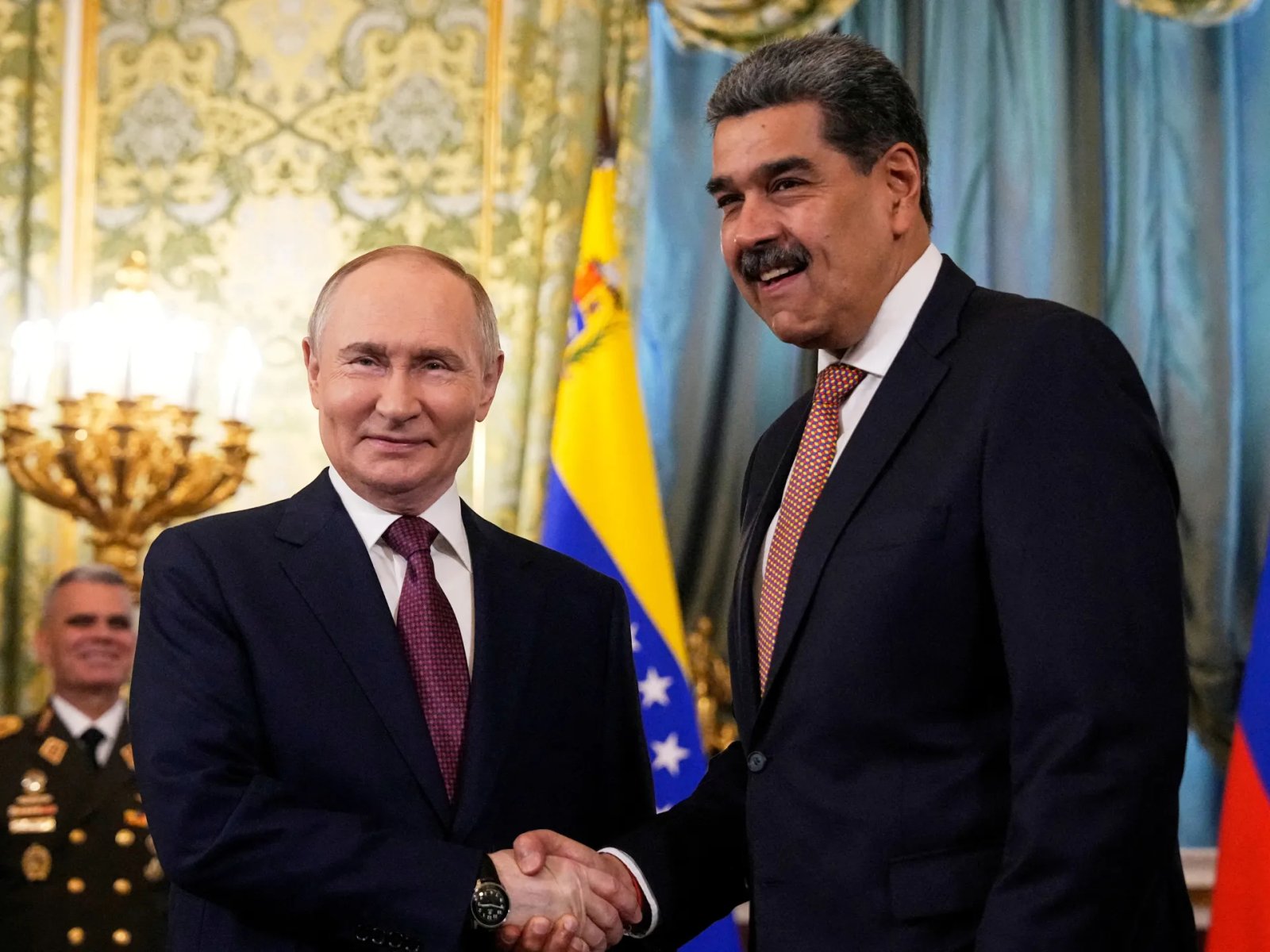
The Global Implications of Venezuela’s Political Landscape
The recent escalating threats from United States President Donald Trump regarding Venezuela shouldn’t be dismissed as mere whims. These developments are intertwined with significant geopolitical confrontations, extending well beyond regional concerns. Venezuela is becoming a critical piece in the intricate chess game of global superpowers, much like Ukraine. Historical parallels can be drawn, as many seemingly unrelated events contributed to larger conflicts, similar to historical accounts of World War II.
Venezuela’s Role in Geopolitical Dynamics
Despite its status as a minor power, Venezuela holds considerable global importance. It boasts the largest proven oil reserves worldwide and has established political alliances with countries like China, Iran, and Russia—nations viewed by the US-led West as major adversaries. Among these alliances, Russia finds itself in a particularly precarious position concerning Venezuela. The escalation initiated by the US presents potential setbacks for the Kremlin, while also opening doors for potential gains.
The Thawing of US-Russia Relations
One significant factor influencing this situation is the unexpected warming of relations between the US and Russia during Trump’s second term. Since Vladimir Putin rose to power in 2000, Russia has perceived the US as an unstable partner, evolving into a more pronounced adversary aiming to exert control in the post-Soviet region. However, the dynamics shifted with Trump’s return to the White House, as the US drastically reduced its financial aid to Ukraine and maintained a nearly neutral stance in the region. Recent US national security strategies even excluded Russia from the list of immediate threats.
As peace discussions regarding Ukraine, led by Trump, persist, Putin has reasons to believe the conflict could conclude favorably for Russia. However, Ukrainian President Volodymyr Zelenskyy has recently signaled a willingness to consider some of Russia’s negotiation demands, indicating potential concessions.
The European Dimension
Meanwhile, the European Union has struggled to reach a consensus on reparations for Ukraine, further illustrating the limits of European commitment amidst the ongoing crisis. Given this backdrop, it would be unwise for the Kremlin to jeopardize its relationship with Trump’s administration over Venezuela, a matter perceived as distant and unrelated to Russia’s immediate interests.
Russia’s Position on Venezuela
While Russia has vocally condemned US threats toward Venezuela, framing it as “aggressive neocolonialism” aimed at exploiting resources, its commitment to Venezuela is contingent on US pressures in other areas, especially Ukraine. Russian oil companies have established partnerships with Venezuela’s state oil firm, PDVSA, but these endeavors have been complicated by ongoing US sanctions.
Historically, Russia has shown flexibility in adapting to changes in political regimes in nations impacted by US foreign policy, evident in countries like Iraq and Syria.
Geopolitical Calculations
The Kremlin’s calculus may also be influenced by the potential repercussions of increased US military action in Venezuela. Such a scenario could significantly alter the moral landscape regarding the war in Ukraine, allowing both the US and Russia to view their foreign actions through a similar lens. It would undoubtedly create further divisions between the US and its European allies and would deepen internal polarization within the United States itself.
Future Projections
If the Trump administration pursues further aggressive foreign policies, such as a convoluted interest in Greenland, it might craft a scenario advantageous for the Kremlin. This could even lead to opportunities for reconciliation with European nations, historically viewed as adversaries.
Russian foreign policy tends to reflect a desire to preserve the old geopolitical order, viewing the US-led West as a disruptive force. If the historical order cannot be restored—which Russia attributes to Western actions—the Kremlin might advocate for a restructured order where the US exercises its influence unopposed in its hemisphere, while Russia retains authority over its sphere of influence.
In summary, Russia may not view the demise of Nicolás Maduro’s government as catastrophic. Whether Maduro remains or falls quickly, the aftermath could potentially lead to a transactional agreement: a Venezuela more amenable to US interests in exchange for outcomes more favorable to Russian objectives in Ukraine.
Conclusion
The situation unfolding in Venezuela is multifaceted and charged with geopolitical significance. As various powers navigate their interests, the consequences of actions taken in this region will reverberate across the globe.
- Venezuela is crucial in the global geopolitical arena due to its oil reserves and alliances.
- Shifting US-Russia relations under Trump’s presidency may influence the situation in Venezuela.
- Russia’s support for Venezuela is linked to US pressures in other geopolitical conflicts.
- Increased US aggression toward Venezuela could alter the dynamics of the Ukraine conflict.