

China and Russia Stand with Venezuela Amid US Pressure
In the face of a stringent blockade imposed by the United States on sanctioned oil tankers, both China and Russia have voiced their support for Venezuela. This comes as President Donald Trump intensifies his campaign against Nicolás Maduro, the leader of the South American nation.
US Blockade and Its Impact
Recent reports indicate a noticeable slowdown in activities at Venezuelan ports, prompting Trump to reiterate his call for Maduro’s resignation. He has also stated that the US intends to either retain or sell oil that has been confiscated off Venezuela’s coast in recent weeks. When asked whether the intention behind this pressure is to force Maduro from power, Trump commented, “I think it’d be smart for him to do that,” further warning, “if he wants to play tough, it’ll be the last time he’s ever able to play tough.”
Following Trump’s announcement of a blockade against sanctioned oil tankers, cargo operations in Venezuela have significantly declined. Tankers are mainly transporting oil between domestic ports, and many loaded vessels are stuck, unable to depart. Customers are reportedly requesting deeper discounts and contract alterations to undertake risky voyages outside Venezuelan waters.
International Response
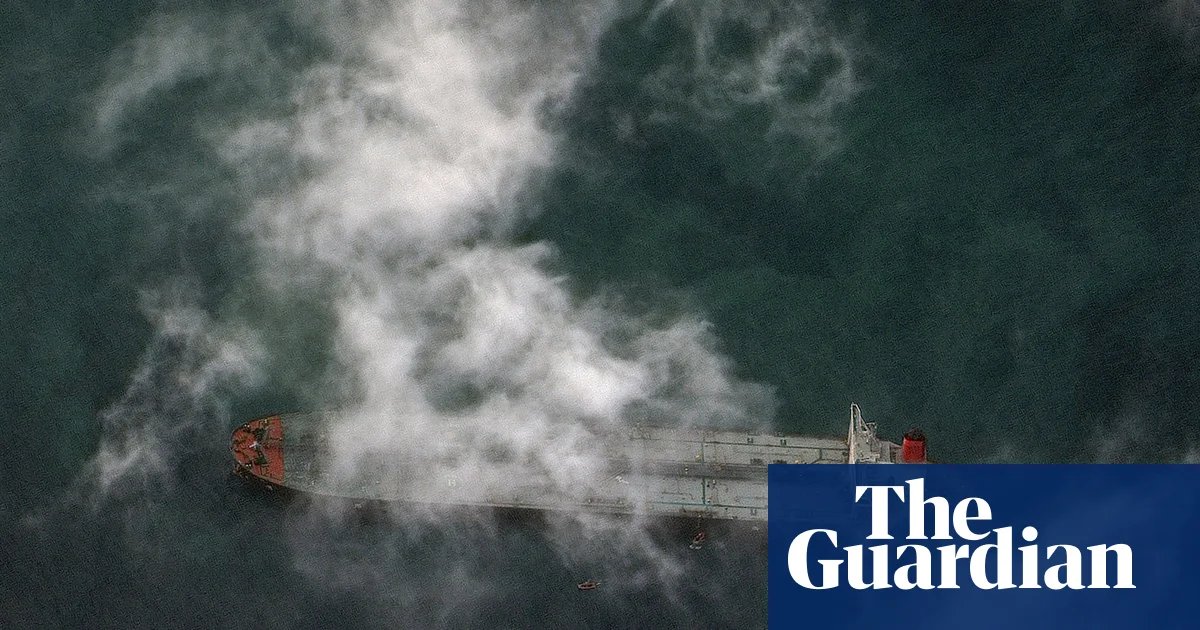
China’s foreign ministry condemned the seizure of foreign vessels as a grave violation of international law, particularly after the US intercepted a tanker heading to China that was allegedly part of Venezuela’s shadow fleet. Although the tanker was not sanctioned by the US, Panama’s foreign minister noted that it had failed to comply with maritime regulations, having changed its name and disconnected its transponder while carrying oil from Venezuela.
Emphasizing Venezuela’s rights to maintain international relations, a spokesperson from China’s foreign ministry expressed opposition to all “unilateral and illegal” sanctions. Notably, China serves as the principal buyer of Venezuelan crude, comprising about 4% of its oil imports.
On the same day, discussions between the foreign ministers of Russia and Venezuela highlighted their concerns over America’s increasing military interventions, which have included targeting boats believed to be involved in drug trafficking. The Russian foreign ministry articulated “deep concern over the escalation of Washington’s actions in the Caribbean Sea,” warning of potential severe repercussions for the region and international maritime activities.
Escalating Tensions
Amidst this turmoil, US claims assert that the Maduro regime is financing “drug terrorism, human trafficking, murder, and kidnapping” through oil revenues. US military operations against vessels suspected of drug trafficking have resulted in over 100 fatalities, some reportedly being innocent fishermen. In retaliation, Caracas has accused the US of committing “international piracy.”
In response, Maduro addressed Trump directly, stating the US president would be “better off” prioritizing domestic issues rather than threatening Venezuela, in a televised speech.
Conclusion
The situation in Venezuela continues to evolve as international and domestic pressures mount dramatically. The economic implications of the US blockade and the potential reactions from both China and Russia will be critical to watch in the coming weeks.
- China and Russia are expressing solidarity with Venezuela amidst US sanctions.
- The US has intensified its blockade on Venezuelan oil tankers, impacting port activities.
- China condemns the seizure of vessels as a violation of international law.
- Maduro criticizes Trump, urging him to focus on domestic concerns rather than escalating tensions.