

US-Iran Tensions: Recent Developments and Future Prospects
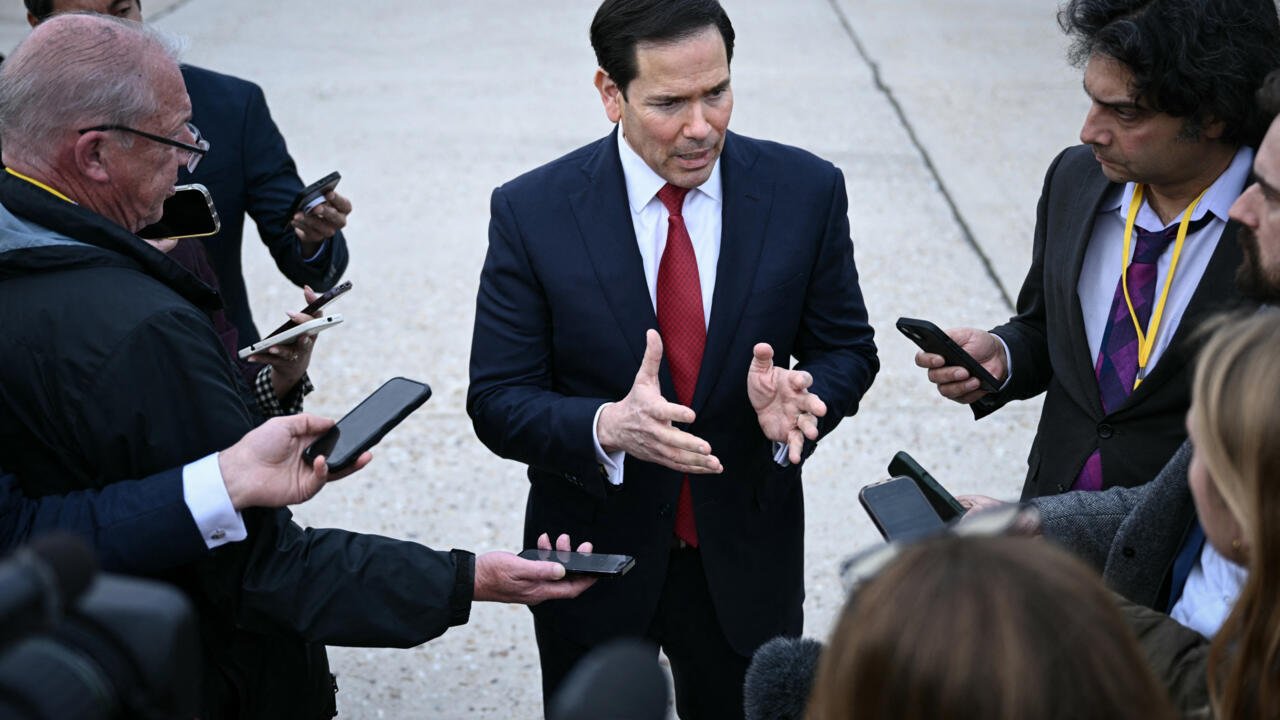
The United States expects its operations against Iran to wrap up in weeks rather than months, as stated by Secretary of State Marco Rubio. He emphasized that Washington can accomplish its aims without deploying ground troops. A recent declaration from G7 nations has also called for an immediate cessation of attacks against civilians and infrastructure in Iran. As the situation evolves, both military movements and diplomatic engagements are being closely monitored.
Military Operations and Strategy
During a briefing with G7 foreign ministers in France, Rubio expressed confidence that the US is “on or ahead of schedule” regarding its plans, aiming for completion soon. While he reiterated that ground troops may not be necessary to achieve military goals, some have been sent to the region to provide the President with strategic flexibility.
This includes two contingents of Marines, with the first expected to arrive at the end of March. The Pentagon is poised to send additional elite airborne troops as well.
Diplomatic Efforts and Negotiations
US special envoy Steve Witkoff has indicated that discussions between Washington and Tehran could occur this week. President Donald Trump continues to assert that Iran is eager to negotiate, despite Iran’s denials of any ongoing talks. In an effort to pressure Iran, Trump has extended a deadline for reopening the heavily blockaded Strait of Hormuz.
Recent Attacks and Responses
Iranian media reported strikes on two notable locations: a heavy-water nuclear research reactor and a uranium production facility. Fortunately, both incidents did not result in radiation leaks, as per statements from the International Atomic Energy Agency (IAEA).
In response to US actions, Iranian Foreign Minister Abbas Araqchi claimed coordination between Israel and the US facilitated attacks on Iranian industrial sites, warning that such actions contradict ongoing diplomatic efforts.
Economic Impact and Regional Consequences
The ongoing conflict has had significant repercussions on global trade, particularly in energy markets. The situation has spurred concerns about soaring prices and a potential recession globally. Reports indicate a staggering number of casualties in Iran, with thousands dead and injured, while the war has sparked widespread displacements in neighboring Lebanon.
Future Outlook
As the US aims to neutralize Iran’s missile capabilities, intelligence suggests that only about a third of Iran’s missile arsenal has been compromised so far. However, the remaining capabilities could still pose a significant threat. Gulf Arab states are urging that any resolution should not only conclude hostilities but also permanently limit Iran’s military prowess.
With the conflict extending across the Middle East, stock markets are reacting negatively, and oil prices have surged above $112 a barrel. The economic strain is palpable, especially in the US where diesel prices have reached record highs.
Conclusion
The situation between the US and Iran remains volatile, characterized by military strategies, diplomatic negotiations, and significant economic implications. As both sides navigate this complex landscape, the global community continues to watch closely, hoping for a resolution that ensures stability and peace in the region.
Key Takeaways
- The US anticipates concluding operations against Iran within weeks.
- G7 nations have called for an immediate halt to attacks on civilians.
- Military staffing continues with additional troops deployed.
- Ongoing diplomatic talks may influence the conflict’s trajectory.