

France’s Political Crossroads: Navigating Challenges Ahead
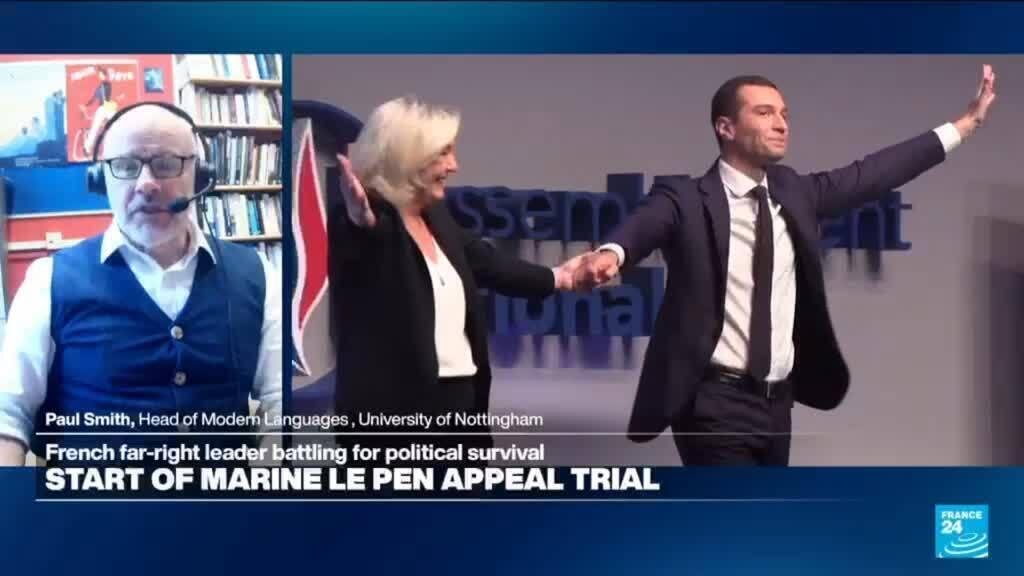
As France faces a significant turning point in its political journey, the reality of shifting allegiances and increasing discontent among the populace is palpable. The rise of far-right movements in France reflects a wider trend observed across Western nations—one characterized by a sensation of frustration and abandonment among citizens, as described by Professor Paul Smith, Head of Modern Languages at the University of Nottingham. With the prospect of a future beyond Macron, one must consider whether the central political factions will continue to falter, thereby paving the way for the far-right and far-left to gain prominence.
The Current Political Climate
France’s political landscape is currently a tapestry of varied sentiments. Amidst feelings of disenchantment with traditional parties, many citizens are asserting their support for more extreme options. This disillusionment isn’t unique to France—it echoes a wider sentiment felt in numerous Western societies where political instability is becoming the norm.
The Frustration Factor
According to experts, this atmosphere of frustration stems from a profound disconnect between the governing bodies and the everyday realities experienced by citizens. Issues like economic uncertainty, immigration, and social division fuel this sentiment. As more individuals feel left out of the political discourse, the allure of radical political alternatives becomes ever stronger.
The Rise of the Far-Right
The ascendance of far-right groups in France is not merely an isolated incident. It highlights a pattern across Europe, where similar movements are gathering momentum as they tap into the frustrations of those who perceive themselves as sidelined in the societal hierarchy. By simplifying complex issues, these movements attract followers who seek swift solutions to their dissatisfaction.
Shift in Loyalties
As traditional left and right parties struggle to resonate with their constituents, a shift in loyalty is occurring. Many voters are looking beyond the established parties, anchoring their hopes in entities that seem willing to address their grievances, no matter how extreme their views may be.
The Future Beyond Macron
With Macron’s term nearing its conclusion, uncertainty looms over the future of French politics. The question arises: will moderate factions regain their foothold, or will the vacuum created by their decline further empower radical ideologies? The upcoming electoral seasons will be crucial in determining the direction France will take.
A Divided Electorate
As the political landscape diversifies, the electorate becomes increasingly polarized. Voters are being drawn to extremes, often overlooking moderate solutions in favor of passionate rhetoric. In this environment, it’s essential to remain aware of the implications such divisions can have on national cohesion.
Conclusion
In summary, France stands at a pivotal moment as it navigates through a complex political atmosphere fraught with challenges. The rise of far-right ideologies amidst growing discontent calls for reflection on the future direction of the country’s political parties. Will centrists manage to reclaim their authority, or will they be overrun by more radical forces?
- France’s political climate reflects a broader trend of disillusionment in Western societies.
- The rise of far-right movements serves as an indicator of deep-rooted societal frustrations.
- The upcoming political seasons will determine the potential resurgence of moderate parties.
- Understanding shifting allegiances is crucial for predicting future political landscapes.