

Visa Restrictions Between the U.S. and West African Nations
This article discusses recent visa bans imposed by Mali and Burkina Faso on U.S. citizens as a response to restrictions enacted by the U.S. government against their nationals. This ongoing visa tussle highlights increasing tensions between the U.S. and several countries across Africa and other regions.
Mali and Burkina Faso’s Visa Restrictions
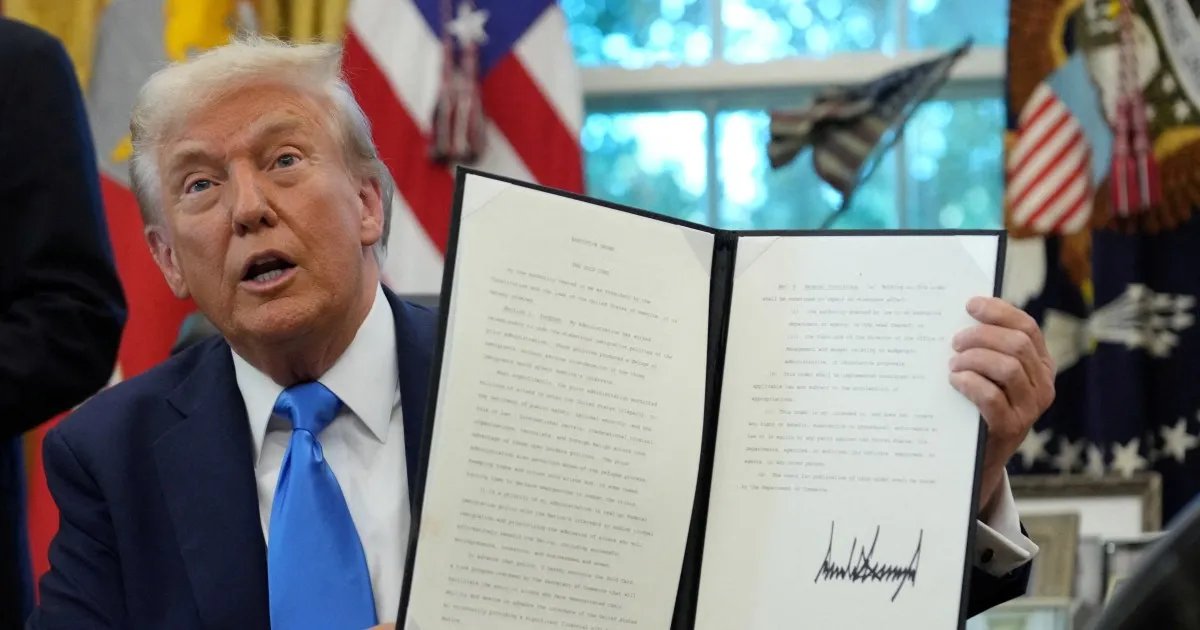
Mali and Burkina Faso have declared a complete visa ban on U.S. citizens in retaliation for the U.S. government’s recent restrictions on visas for their citizens. Both West African nations, which are under military governance, announced this measure as a response to the visa guidelines introduced by U.S. President Donald Trump, which now encompass 39 nations across Africa, Asia, the Middle East, and Latin America. According to the White House, these restrictions are implemented for “national security” reasons.
The Malian Ministry of Foreign Affairs and International Cooperation stated, “In accordance with the principle of reciprocity, the Government of the Republic of Mali will apply the same conditions to U.S. nationals as those imposed on Malian citizens.” Similarly, Burkina Faso’s Foreign Minister Karamoko Jean-Marie Traore referred to the reciprocity principle when announcing his country’s visa ban.
Other Nations Enforcing Visa Bans
Alongside Mali and Burkina Faso, an additional five countries have found themselves under U.S. visa restrictions: Laos, Niger, Sierra Leone, South Sudan, and Syria. Travel documents issued by the Palestinian Authority are also included in this ban.
The U.S. cited inadequate screening processes, high visa overstay rates, and failure to repatriate deported nationals as justifications for the bans. Furthermore, countries were evaluated on the presence of terrorism within their borders.
Regional Violence and Security Alliances
Mali, Burkina Faso, and their neighbor Niger have been grappling with violence perpetrated by armed groups affiliated with al-Qaeda and ISIL (ISIS), displacing millions of people in the process. In a similar gesture, Niger also imposed a visa ban on U.S. citizens recently. All three countries united in July 2024 to form the Alliance of Sahel States to tackle these pressing security challenges and enhance trade relations.
Chad’s Reciprocal Visa Ban
Chad joined the list of countries implementing reciprocal visa restrictions on June 6, granting exceptions solely for U.S. officials. U.S. citizens holding visas obtained before June 9 are permitted entry into Chad—an initial measure inspired by the U.S. visa restrictions.
Countries Affected by U.S. Visa Bans
Currently, U.S. entry restrictions apply to citizens from 39 nations, categorized into full and partial entry bans:
Full Visa Bans
- Afghanistan
- Burkina Faso
- Chad
- Equatorial Guinea
- Eritrea
- Haiti
- Iran
- Laos
- Libya
- Mali
- Myanmar
- Niger
- Republic of Congo
- Sierra Leone
- Somalia
- South Sudan
- Sudan
- Syria
- Yemen
- Holders of Palestinian Authority documents
Partial Visa Restrictions
- Angola
- Antigua and Barbuda
- Benin
- Burundi
- Cuba
- Dominica
- Gabon
- The Gambia
- Ivory Coast
- Malawi
- Mauritania
- Nigeria
- Senegal
- Tanzania
- Togo
- Tonga
- Turkmenistan
- Venezuela
- Zambia
- Zimbabwe
Is There a Target on African Countries?
The current U.S. approach to visa restrictions on African nations mirrors a pattern seen during Trump’s earlier administration, suggesting a continuation of stringent policies similar to the previously implemented “Muslim ban,” which affected specific African nations.
U.S.-Africa Trade Relations
In terms of trade, the U.S. has transitioned away from the African Growth and Opportunity Act (AGOA), which historically granted duty-free access to U.S. markets for African nations since 2000. This shift raises concerns about the economic impact on African countries that relied heavily on this program. Since AGOA expired in September, there is an apprehension about facing higher tariffs without renewed trade agreements.
Cutbacks in Aid and Security Cooperation
Additionally, the Trump administration has reduced U.S. foreign aid substantially, which is concerning for numerous African nations that depend on this financial support. Reports indicate worsening conditions for vulnerable populations, particularly in regions facing hunger and health crises.
Conclusion
The unfolding situation around visa bans highlights the complicated relationship between the U.S. and various African nations. The implications of these restrictions extend beyond travel, affecting trade and humanitarian aid, which are vital for many countries on the continent.
Key Takeaways
- Mali and Burkina Faso impose visa bans on U.S. citizens in retaliation to U.S. restrictions.
- 39 countries are under U.S. visa restrictions, significantly impacting African nations.
- Trade relations have shifted from a beneficial arrangement (AGOA) to heightened tariffs.
- U.S. foreign aid cuts pose serious challenges for many African communities.