

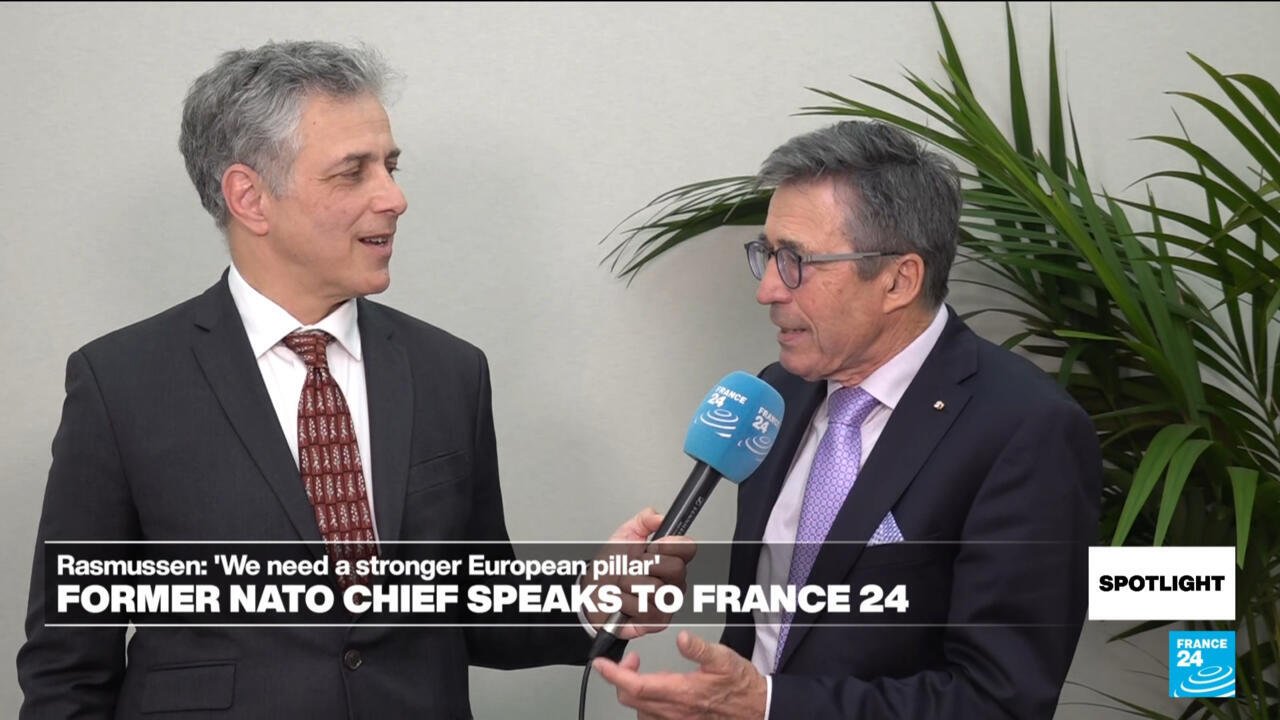
Transforming European Security: Insights from Anders Fogh Rasmussen
In a thought-provoking discussion, former NATO Secretary General Anders Fogh Rasmussen shares his insights on the pressing transformations required in European security. With Europe facing a pivotal moment, it is essential to confront longstanding dependencies and reassess security strategies as the commitment of the United States to European defense evolves. This article delves into the necessary shifts in approach and mindset to ensure that Europe can navigate its future with confidence.
The Shift in Strategic Landscape
Rasmussen emphasizes that Europe is at the brink of a significant strategic transition. The decreasing American commitment to European defense is not merely a hypothetical situation but a reality that is already unfolding. This revelation exposes the vulnerabilities of a security model that heavily relies on external guarantees while fostering a sense of complacency within Europe itself.
Structural Transformation Over Incremental Changes
Looking toward the future, Rasmussen advocates for a comprehensive structural transformation in European security, rather than mere incremental adjustments. Key elements of this transformation include:
- Enhancing a European Pillar within NATO: Strengthening this aspect is crucial for a unified approach to defense.
- Developing Autonomous Deterrence Capabilities: Europe must invest in its own deterrence technologies to ensure self-reliance.
- Reconfiguring Defense Production: The focus should shift toward speed, scalability, and technological relevance to meet modern challenges.
The Importance of Political and Societal Cohesion
However, the challenges Europe faces extend beyond institutional frameworks. There is a noticeable deficit in decisive leadership and strategic cohesion, which significantly hampers Europe’s ability to navigate a swiftly changing geopolitical climate. Therefore, a robust response must encompass not just military spending but also a greater mobilization of political will and public commitment.
A Shift from Reaction to Proaction
Ultimately, Rasmussen argues that Europe must evolve from being a reactive force to becoming a proactive strategic actor. This shift will enable Europe to engage in power dynamics with clarity, conviction, and autonomy. To achieve this transformation, it is vital to let go of the illusions of unshakeable alliances and instead adopt a more pragmatic, self-sufficient approach to international relations.
Conclusion
In summary, the future of European security hinges on recognizing and addressing the strategic changes necessary to operate effectively in a complex global landscape. Europe must embrace its own resilience and decisiveness to ensure a secure and stable future.
Key Takeaways:
- Europe is facing a critical strategic transition due to changing American commitments.
- A comprehensive structural transformation in defense strategies is essential for Europe.
- Political will and public engagement are crucial in shaping Europe’s security policies.
- Shifting from reactive to proactive strategies is necessary for a secure European future.