

The Fragile Ceasefire in Gaza: Urgent Progress Needed
The ongoing ceasefire in Gaza is increasingly under threat, as Qatar’s Prime Minister, Sheikh Mohammed bin Abdulrahman bin Jassim Al Thani, has cautioned that persistent Israeli violations could jeopardize the entire agreement. His recent appeal for immediate action toward advancing the next phase of peace negotiations comes in light of escalating humanitarian crises within the besieged Palestinian territory.
Qatar’s Mediating Role and Urgent Calls for Aid
During discussions with U.S. Secretary of State Marco Rubio, Sheikh Mohammed emphasized the critical nature of humanitarian relief reaching Gaza “unconditionally” and called for an immediate initiation of the second phase of the agreement. As vital conversations unfolded at the seventh U.S.-Qatar Strategic Dialogue, the tenuous ceasefire faced growing pressure amid dire humanitarian conditions in Gaza.
Ongoing Ceasefire Violations
Since the ceasefire began on October 10, reports indicate that Israel has breached the agreement over 738 times, resulting in at least 394 Palestinian deaths and over 1,075 injuries. Al Jazeera’s chief U.S. correspondent, Alan Fisher, highlighted that these talks were significantly influenced by the growing urgency to address these breaches, many of which have allegedly been instigated by Israeli forces.
International Stabilization Efforts
Discussions also spanned the potential formation of an International Stabilization Force (ISF) expected to include troops from Indonesia and Turkey. However, Israel has expressed reluctance concerning Turkey’s involvement. Qatar urged the U.S. to apply pressure on Israel to facilitate more aid into Gaza, especially with the worsening humanitarian crisis.
Humanitarian Catastrophe in Gaza
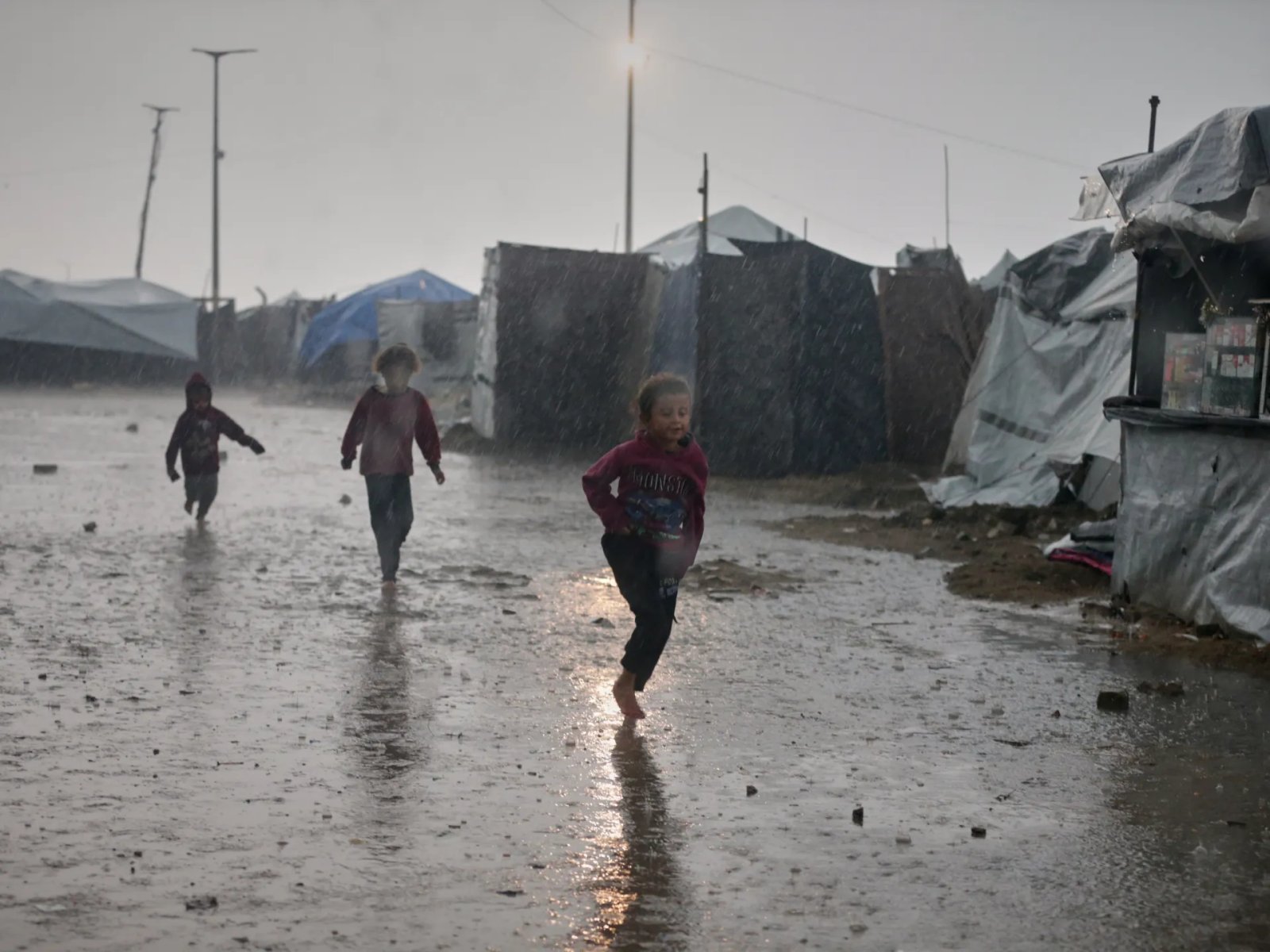
As severe winter storms exacerbate the situation, many Palestinians find themselves in makeshift shelters or unsafe structures, enduring harsh conditions. This misery has intensified due to Israel’s blockage of essential supplies, including mobile homes, which are critical during this period. According to local authorities, only 39 percent of aid trucks have reached their intended destinations, with critical food supplies being obstructed while non-essential items are allowed entry.
Tragically, a two-week-old infant died from severe hypothermia, illustrating the urgent need for humanitarian assistance. The United Nations reports that approximately 30,000 children have been impacted by storm-related damage to their homes, while necessary winter supplies remain barred from entering Gaza.
Continued Tensions and Reactions
Hamas leader Khalil al-Hayya has asserted that ongoing ceasefire violations jeopardize the viability of the peace agreement, urging U.S. President Trump to ensure that Israel adheres to its commitments. Conversely, Israeli Prime Minister Netanyahu defended the recent assassination of Hamas commander Raed Saad, asserting that Hamas is undermining the peace accord by attempting to rearm.
Path Forward: Challenges Ahead
The second phase of the U.S.-supported ceasefire envisions disarmament of Hamas and the withdrawal of Israeli forces, along with the deployment of an international force. However, these objectives pose complex challenges compared to the initial phase, which primarily focused on prisoner exchanges. Netanyahu indicated that Israel is nearing the completion of this first phase while intensively working to secure the return of the last deceased captive in Gaza. Reports show that many bodies returned by Israel bear signs of mistreatment, further complicating the narrative of the conflict.
Conclusion
The current ceasefire in Gaza remains fragile, with dire humanitarian conditions and ongoing violations threatening any prospect for peace. The international community’s role in mediating and providing aid is crucial in mitigating the suffering of the Palestinian people. Immediate action is required to safeguard the ceasefire and push toward meaningful resolutions.
- Qatar’s Prime Minister warns against Israeli violations that threaten the ceasefire.
- The humanitarian crisis in Gaza deepens as winter weather exacerbates suffering.
- International efforts are necessary to stabilize the situation and ensure aid delivery.
- Upcoming negotiations face significant challenges, particularly concerning disarmament and withdrawal plans.