

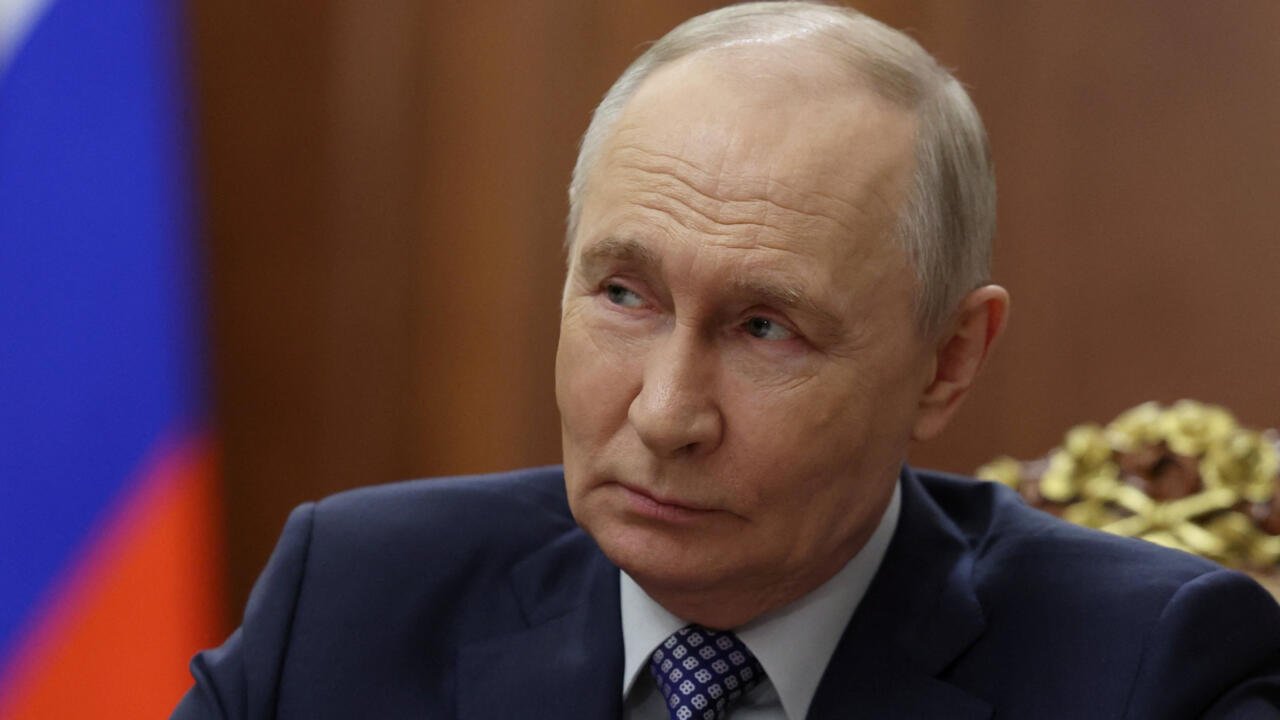
Ceasefire Announcement for Orthodox Easter Holidays
In a significant turn of events, Russian President Vladimir Putin has declared a ceasefire with Ukraine, coinciding with the upcoming Orthodox Easter holidays. This announcement comes shortly after Ukrainian President Volodymyr Zelensky advocated for a similar pause in hostilities. The ongoing conflict, now in its fourth year, has seen numerous attempts at resolution stymied by various geopolitical issues.
Details of the Ceasefire
According to a statement from the Kremlin, the ceasefire will take effect from 16:00 (13:00 GMT) on April 11 and will last until the end of April 12, 2026. This declaration is linked to the Orthodox Easter celebrations, a significant period for many Russians and Ukrainians alike. The Kremlin has instructed its military to halt combat operations across all fronts during this time, emphasizing that troops remain prepared to respond to any potential provocations.
Context of the Ceasefire
The initiative for this truce was reportedly relayed by President Zelensky through U.S. channels, highlighting the international dimension of the negotiations. Unfortunately, recent talks, especially those led by the United States, have largely faltered. The ongoing war, exacerbated by shifts in focus towards issues like the conflict in Iran, has made it increasingly challenging to achieve a lasting peace agreement between the two nations.
Challenges in Negotiations
The diplomatic efforts have been further complicated by Russia’s insistence on receiving territorial and political concessions from Ukraine, conditions that Zelensky has firmly rejected, viewing them as equivalent to capitulation. As a result, peace dialogues have reached a stalemate, leaving many to wonder about the prospects for a lasting resolution.
The Human Cost of Conflict
The war has taken a devastating toll, resulting in hundreds of thousands of lives lost and millions displaced. This conflict stands as the most lethal in Europe since World War II, underlining the urgent need for meaningful dialogue and resolution.
Conclusion
The announcement of a ceasefire during the Orthodox Easter highlights a crucial moment where both sides have an opportunity to reflect and perhaps initiate a return to peace talks. However, the underlying challenges in negotiations remain a significant obstacle in aspiring for a resolution.
Key Takeaways
- Putin has declared a ceasefire for Orthodox Easter, effective April 11-12, 2026.
- Ukrainian President Zelensky also suggested a pause in hostilities via U.S. channels.
- Ongoing negotiations have been stalled, mainly due to territorial and political demands from Russia.
- The conflict has led to a tragic loss of life and widespread displacement, marking the deadliest clash in Europe since World War II.