

Details Emerge on Bondi Beach Attack: A Planned Act of Terrorism
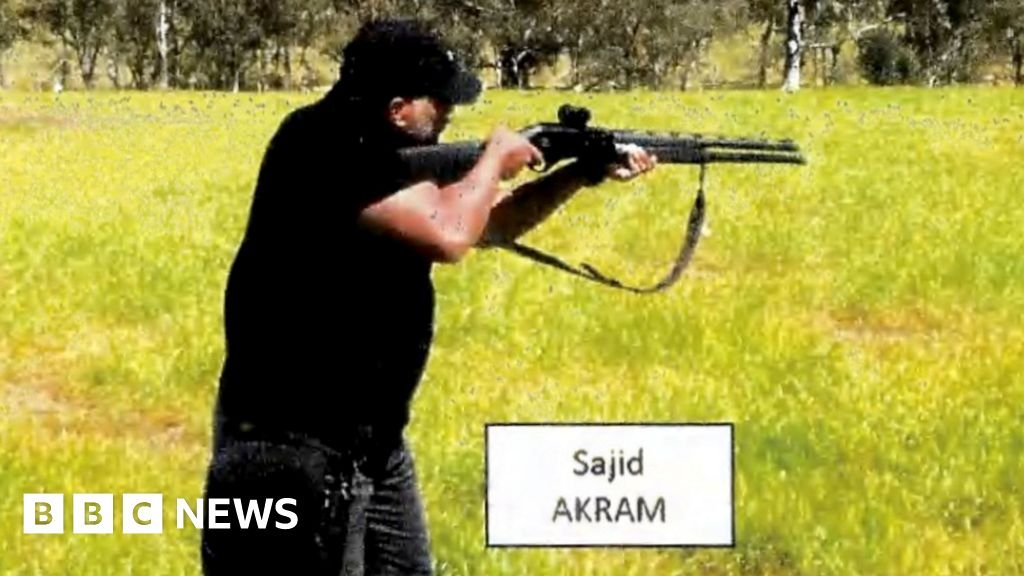
In a shocking revelation following the Bondi Beach attack, new court documents have unveiled that the suspected gunmen meticulously planned the assault, even engaging in firearms training weeks before the incident. This tragic event, which occurred during a Hanukkah celebration on December 14, left fifteen people dead and many others injured, marking it as one of the most harrowing acts of violence in recent memory.
Prior Preparations and Planning
The attack commenced with the attackers throwing explosives, initiating a violent episode that escalated into a mass shooting. Investigators allege that the accused, Naveed Akram, 24, and his father, Sajid Akram, conducted extensive reconnaissance, visiting Bondi just two days prior to the attack. This thorough preparation raises serious concerns about the security measures in place for public events.
The court documents reveal that the assailants attempted to use a range of explosives, including a “tennis ball bomb,” which fortunately failed to detonate.
Charges and Legal Proceedings
Naveed Akram now faces 59 charges, including 15 counts of murder, alongside a count of terrorism. Unfortunately, his father was shot dead on the scene by law enforcement, further complicating the investigation.
Investigation and Evidence
Recent court disclosures indicate that authorities have obtained critical evidence in the form of video footage. These recordings highlight the duo’s activities in the months leading up to the attack, including their apparent allegiance to extremist ideologies. In one video captured in October, the two men can be seen in front of an Islamic State (IS) flag, making statements that express their motivations while condemning what they described as “Zionist” actions.
In addition, police reports indicate that footage from December 12 shows the Akram men at their vehicle near Bondi Beach, suggesting premeditated reconnaissance and planning for the terror act that followed.
The Day of the Attack
On December 14, shortly after 2:00 AM, CCTV captured the Akram men leaving a rental property in Campsie with several wrapped packages, which authorities now identify as containing weapons and explosives. The police statement lists these items as including two shotguns, a Beretta rifle, and multiple improvised explosive devices (IEDs).
At around 6:50 PM, they arrived at Bondi and strategically placed IS flags inside their car before proceeding with their deadly plan. As a crowd gathered for the Hanukkah celebrations, the assailants threw explosives into the group, causing chaos before opening fire, resulting in the loss of 15 lives and many injuries. Naveed Akram sustained critical injuries in the ensuing gunfire exchange with police and has since been hospitalized and transferred to prison.
Community Reactions and Government Response
In the wake of this tragedy, Australian Prime Minister Anthony Albanese faced criticism for his perceived inadequacy in addressing antisemitic threats. At a memorial event, he was met with boos from the crowd as he vowed to take every measure to safeguard the Jewish community while pledging to propose new legislation against extremism.
However, questions remain regarding the government’s previous intelligence on Naveed Akram, who was reportedly under investigation for connections to IS prior to the attack. Despite warnings, the father and son managed to travel overseas shortly before the incident, prompting calls for a deeper investigation into lapses in security protocols.
Calls for Change
The aftermath of the Bondi Beach attack has ignited discussions about stricter gun control, with New South Wales state assembling to debate potential new laws. While some groups voice concerns over the potential infringement on rights, others stress the urgent need for measures to protect community safety.
Conclusion
This tragic incident at Bondi Beach has not only claimed lives but also raised critical questions about security measures and government preparedness in facing the threat of domestic terrorism. As Australia grapples with the implications of this event, it remains essential to ensure community safety while upholding civil liberties.
- Naveed Akram faces 59 charges linked to the Bondi Beach attack.
- Evidence suggests meticulous planning and prior reconnaissance by the suspects.
- Public outcry has prompted discussions on stricter gun control and anti-terrorism legislation.
- Criticism mounts against government responses to rising antisemitic threats.