

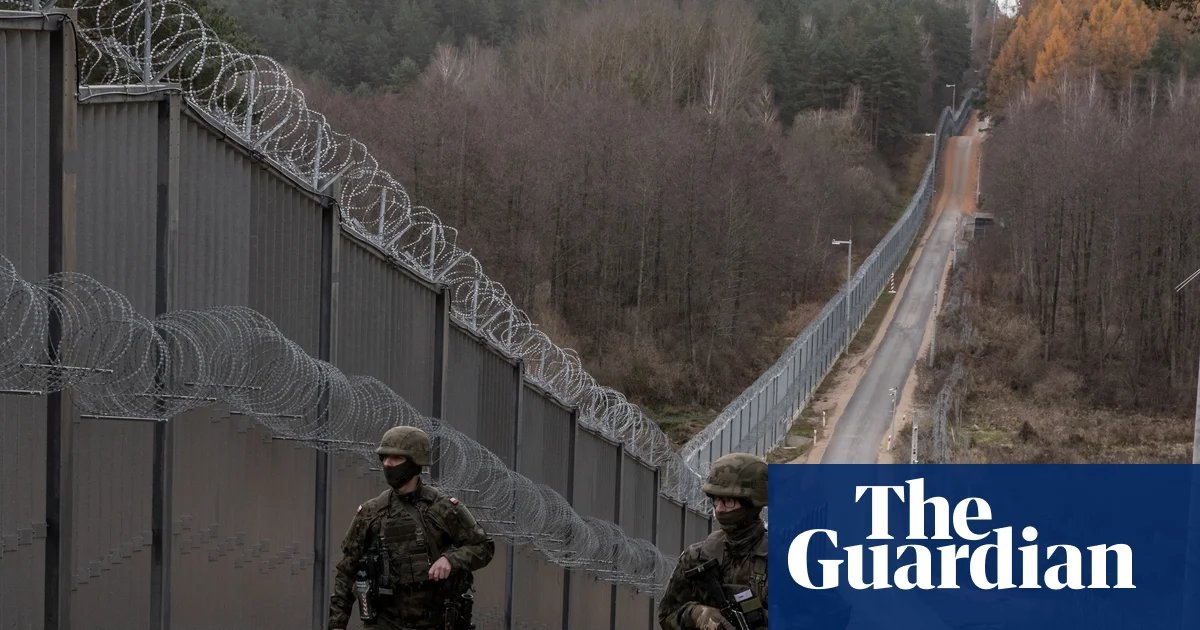
Poland’s Strategic Anti-Drone Fortifications
In light of recent security challenges, Poland has announced ambitious plans to establish a new array of anti-drone fortifications along its eastern borders within the next two years. This initiative follows a significant incident involving multiple Russian drones breaching Polish airspace earlier this year, highlighting the urgency of enhancing national defense capabilities.
Timeline and Development of Anti-Drone Systems
The Deputy Defence Minister, Cezary Tomczyk, expressed optimism about the project, stating, “We expect to have the first capabilities of the system in roughly six months, perhaps even sooner. The complete system, however, will take two years to finalize.” This new line of air defense will complement an existing framework established a decade ago, integrating various layers of defense mechanisms, including machine guns, cannons, missiles, and drone-jamming technology.
Context of Recent Incursions
A spate of suspected Russian drones entered Polish airspace in September, prompting immediate responses such as airport closures and the mobilization of fighter jets. Fortunately, drones that posed a threat were engaged and neutralized, but not without causing some damage on the ground. Radosław Sikorski, Poland’s Foreign Minister, described these incursions as a tactic by Russia to probe Poland’s defenses without escalating to full military conflict.
Strategic Enhancements Along the Eastern Border
Poland’s fortification efforts specifically target the sensitive border with Belarus, signaling a proactive stance against potential aggression. The nation is revising and enhancing its defense blueprint amid evolving security threats, particularly the systematic drone warfare Ukraine has been experiencing. Tomczyk indicated that the initiative would require an investment exceeding €2 billion (£1.75 billion), primarily funded through European defense resources and the SAFE (Security Action for Europe) defense loan program.
Preparing for Future Challenges
With more than three years of continuous conflict in Ukraine, Poland has shifted to a war-ready mindset. There have been increased reports of sabotage and arson, allegedly linked to Russian intelligence activities. In response, Poland is also prioritizing domestic training programs, aiming to equip hundreds of thousands of citizens with essential survival skills while others are engaging in voluntary military exercises.
Comprehensive Defense Initiatives
Beyond the anti-drone wall, Poland is reinforcing its land borders with Belarus and the Russian exclave of Kaliningrad under the Eastern Shield initiative. Tomczyk noted the construction of specialized logistics hubs in border municipalities, designed for swift deployment of resources to tackle border threats effectively.
Understanding the Broader Threat Landscape
Tomczyk articulated a nuanced perspective on the ongoing conflict, asserting, “As long as Ukraine defends itself against Russia, Europe is not at great risk of conventional warfare. However, we must be prepared for provocations and sabotage.” He cautioned that should Russia succeed in Ukraine, Western nations might become increasingly vulnerable.
Increasing Defense Spending and Readiness
In response to these threats, Poland has ramped up its defense spending to 4.7% of its GDP, placing it among the leaders in the European Union. Tomczyk emphasized that while Ukraine currently allocates a staggering 40% of its GDP to military efforts, Poland’s future military budget considerations must take a long-range view: “Should we increase spending from 2% to 3 or 3.5%, or let it escalate uncontrollably later?”
Historical Context of Russian Aggression
When questioned about the potential for Russian military ambitions similar to those seen in Ukraine, Tomczyk pointed to a longstanding pattern of Russian expansionism in Eastern Europe. He remarked, “This kind of aggressiveness serves as a political tool for consolidating power within Russia—creating a narrative of strength that dissuades challenges.”
Conclusion
Poland’s endeavor to fortify its eastern borders with comprehensive anti-drone systems reflects its commitment to national security amid rising tensions. As the situation evolves, strategic readiness will be critical in navigating the complexities of modern warfare and defense.
Key Takeaways
- Poland plans to establish anti-drone fortifications along its eastern borders within two years.
- The project, anticipated to cost over €2 billion, will be primarily funded by European resources.
- Concerns regarding Russian military actions have driven Poland to enhance its defense readiness and citizen training programs.
- The country is investing significantly in its military capabilities, highlighting the importance of proactive defense strategies.