

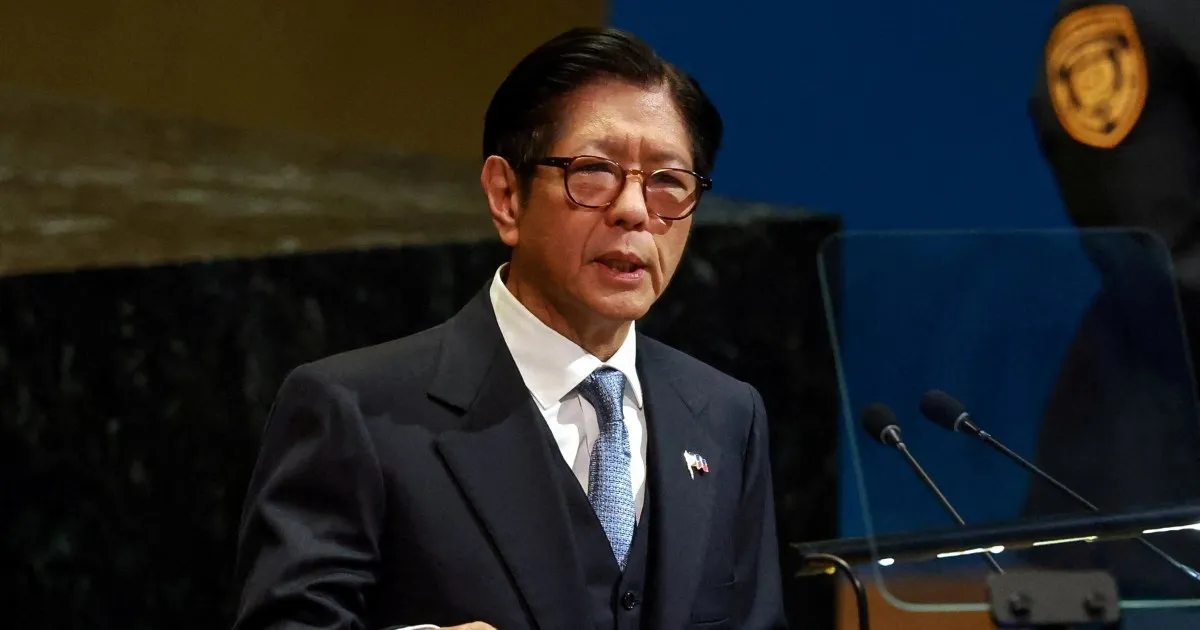
Philippines Declares National Energy Emergency Amid Fuel Crisis
In response to rising fuel prices linked to ongoing geopolitical tensions, Philippine President Ferdinand Marcos Jr. has declared a national energy emergency. This measure aims to address what he described as an “imminent danger” to the country’s energy supply. The declaration coincides with plans for a two-day strike by transport workers and commuter groups, who are protesting the government’s perceived inaction regarding escalating fuel costs.
The Emergency Declaration
On Tuesday, the President stated that this declaration would empower the government to implement coordinated measures under existing laws to mitigate risks stemming from global energy supply disruptions and their impact on the domestic economy. A new committee has been established to manage the movement, supply, distribution, and availability of essential goods, such as fuel, food, and medicine.
Duration and Powers
The emergency status will be in effect for one year and allows the government to procure fuel and petroleum products efficiently. This includes the option to prepay portions of contracts to ensure timely supply. Authorities are also granted the power to combat hoarding, profiteering, and any manipulation of petroleum distribution.
Current Fuel Supply Status
At a briefing, Energy Secretary Sharon Garin reported that the country currently has approximately 45 days’ worth of fuel supply, based on existing consumption rates. The government is working on acquiring 1 million barrels of oil from both regional and international sources to bolster its reserves, although uncertainties exist in achieving this target.
Collaboration with the US
Philippine Ambassador to the US, Jose Manuel Romualdez, confirmed that the government is engaged in discussions with Washington to secure exemptions for purchasing oil from countries under US sanctions. This raises the question of whether options, including acquiring oil from Iran and Venezuela, are being seriously evaluated.
Criticism of Government Response
Transport unions and local senators have publicly criticized the government’s approach to the crisis. They argue that the administration has failed to implement a cohesive plan to tackle the impacts of soaring oil prices. Piston, a federation representing public transport associations, labeled the emergency declaration as a “superficial band-aid” that overlooks fundamental issues contributing to the fuel crisis.
Calls for Tax Suspension
Piston urged the government to act decisively by suspending the Excise Tax and Value-Added Tax on fuel products, claiming that such actions would lead to an immediate reduction in prices. They criticized the government’s plan of merely monitoring “profiteering” as ineffective while multinational oil companies continue to set inflated prices.
Concerns from Civil Society
Renato Reyes Jr., representing the civil society coalition Bayan, echoed these sentiments, asserting that the emergency declaration does not confront the underlying issue of soaring oil prices or their significant consequences for public transportation and other sectors. Reyes pointed out that there was no mention of tax relief—which is a central demand from the populace—and questioned the absence of necessary price controls.
Government Mitigation Measures
In an effort to alleviate some pressures, the government is offering free bus rides to students and workers in specific cities. Additionally, a subsidy of 5,000 pesos (approximately $83) is being provided to motorcycle taxi drivers and other public transport workers to help them manage the escalating costs of gasoline and diesel.
Conclusion
The national energy emergency declaration in the Philippines reflects the government’s attempt to navigate a complex fuel crisis exacerbated by international events. While certain measures have been introduced to mitigate immediate hardships, significant changes are still being demanded by workers and civil groups to address the root causes of the issue.
Key Takeaways:
- The Philippines has declared a national energy emergency in response to fuel price surges due to global conflicts.
- Transport unions criticize the government’s actions as inadequate and superficial.
- Calls for suspending oil taxes are among the core demands of protesters.
- Temporary measures include subsidies for public transport workers and free bus rides for students.