

U.S., Ukraine, and Russia Discuss Peace Amid Escalating Conflict
The recent talks between the United States, Ukraine, and Russia concluded without any significant breakthroughs. This follows a series of renewed strikes from Russia targeting Ukrainian locations. Ukrainian President Volodymyr Zelensky hinted at the possibility of another meeting soon, perhaps as early as next week, after two days of discussions held in Abu Dhabi.
Update on Recent Attacks
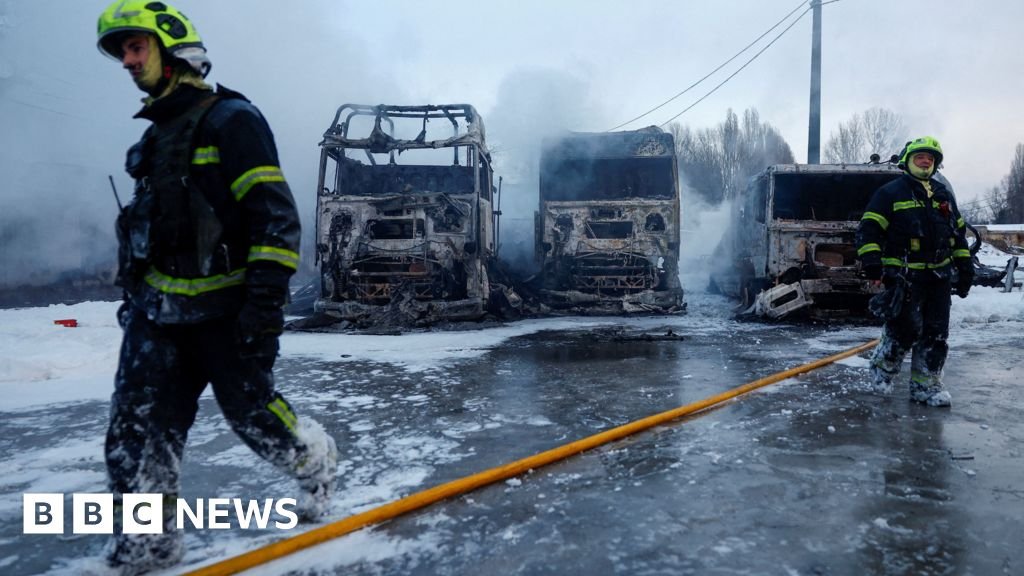
Following intense Russian bombardments, which resulted in one death and injuries to 35 individuals, Foreign Minister Andrii Sybiha decried the attack as “brutal” and cynically orchestrated by Russian President Vladimir Putin. According to Sybiha, the assault highlighted how the ongoing violence affects not just the civilian population but also the diplomatic efforts at negotiating peace.
Focus of the Talks
The dialogue in Abu Dhabi marked the first trilateral meeting since Russia’s extensive invasion of Ukraine in 2022. Zelensky emphasized that the primary theme of the conversations revolved around potential pathways to end the hostilities. He expressed appreciation for the need for American involvement in monitoring the peace process, underlining its importance for ensuring real security.
All parties committed to reporting their discussions back to their respective governments and coordinating future actions. Military representatives also outlined various topics for a potential follow-up meeting, with Ukraine indicating its readiness to continue dialogues in the near term.
Impact on Ukrainian Cities
In the wake of the overnight attacks, Kyiv’s mayor reported the casualties, confirming one death and multiple injuries. Kharkiv faced similar devastation, with 31 individuals wounded. The strikes left critical infrastructure compromised, resulting in thousands of buildings losing heating as temperatures dropped to around -12°C across parts of Ukraine. In light of the situation, Zelensky noted that the primary target of the Russians remained the nation’s energy infrastructure.
Negotiation Dynamics
In Davos, Zelensky expressed that land remains the crux of the conflict, highlighting it as a key issue yet to be resolved. He shared that while he managed to secure a potential agreement with Trump regarding U.S. security guarantees should a deal be reached, it would require approval from both the U.S. Congress and the Ukrainian parliament.
In the days prior to the Abu Dhabi talks, significant meetings took place involving U.S. envoys and Putin in Moscow, focusing on settling the Ukraine crisis through political and diplomatic means. However, the Kremlin stressed that addressing territorial disputes is critical for reaching a lasting resolution.
Conclusion
The ongoing dialogue between the U.S., Ukraine, and Russia represents both the complexities of international negotiations and the tragic human cost of continued conflict. The prospect of future meetings brings some hope, but the path to peace remains fraught with challenges and disagreements over territorial integrity.
Key Takeaways
- The trilateral talks ended without a significant breakthrough.
- Recent Russian strikes have exacerbated the humanitarian crisis in Ukraine.
- Future meetings may take place as soon as next week, with all parties indicating a willingness to discuss.
- Land issues remain a pivotal point in negotiations between Ukraine and Russia.