

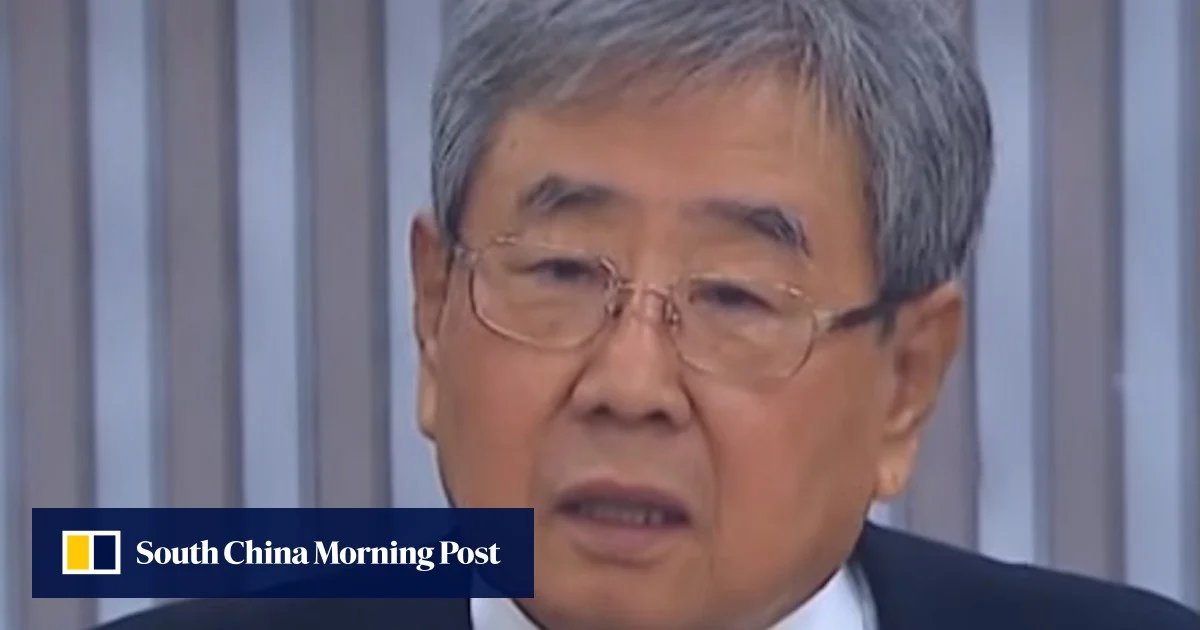
The Legacy of South Korea’s Notorious Police Brutality: Remembering Lee Geun-an
The recent passing of Lee Geun-an, one of South Korea’s most infamous police officials, has reignited discussions about the country’s dark history of human rights violations during its military-backed authoritarian period. Known for his ruthless interrogation techniques, Lee’s legacy continues to evoke strong feelings among those impacted by his actions.
A Controversial Figure
Lee Geun-an, often referred to as the “torture expert,” passed away at the age of 88 due to multiple organ failure. His methods and lack of remorse have haunted him throughout his life, with Lee often considering himself a “patriot.” He notoriously likened his interrogation practices to an art form, a statement that highlights his controversial perspective on his actions.
Memories of Torture
Survivors of the brutal tactics employed during Lee’s tenure have shared their traumatic experiences, highlighting how interrogators operated under aliases to mask their identities. One of the most feared figures was known only as “Black Bear.” It wasn’t until years later that many realized this infamous interrogator was, in fact, Lee himself.
Interrogation is like an art, though I failed to perfect it in a beautiful way
Methods of Infliction
The grisly techniques that Lee developed included what he termed “chicken roasting,” where victims were bound and suspended over a fire, alongside methods such as joint dislocations, waterboarding, and electric shocks. These brutal tactics are stark reminders of the harsh realities faced by many during this grim period in South Korea’s past.
The Impact of His Death
As news of Lee’s death spreads, it serves as a painful reminder of an era that many would prefer to forget. His passing has reopened wounds for countless individuals and families who continue to seek acknowledgment and justice for the atrocities committed during the military regime.
- Lee Geun-an, known as South Korea’s “torture expert,” passed away at 88.
- Survivors recall agonizing interrogation methods used during his tenure.
- His death rekindles discussions on past human rights violations in South Korea.
- The legacy of Lee’s brutality remains a painful reminder of the country’s authoritarian past.