

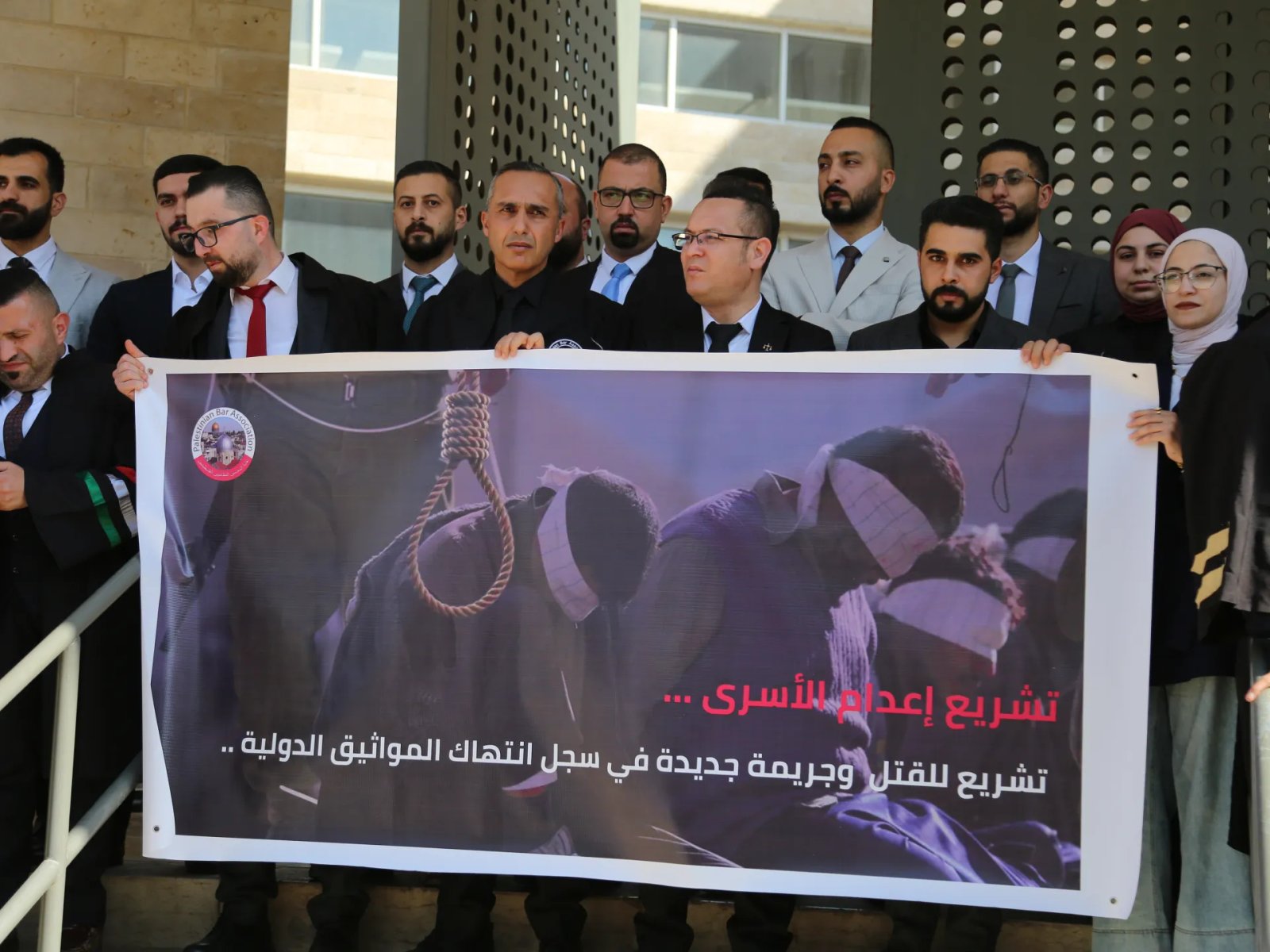
Escalating Tensions: The Proposed Death Penalty for Palestinian Prisoners in Israel
In the midst of serious human rights concerns, Palestinian prisoners in Israel endure harrowing conditions, with at least 94 reported deaths over the past two years and disturbing accounts of mistreatment. The Israeli minister responsible for prisons, Itamar Ben-Gvir, has boasted about intensifying the hardships faced by these prisoners. As discussions intensify regarding a controversial bill aimed at instituting the death penalty for convicted individuals labeled as Palestinian “terrorists,” the implications for Palestinian detainees and the legal landscape are profound.
A Legislative Shift Towards Capital Punishment
In early November, the Israeli parliament made a significant move by passing the first reading of legislation that threatens to establish the death penalty for Palestinians convicted of killing Israelis under specific conditions. This bill is aimed primarily at those who are found guilty of acts perceived as motivated by “racism” or intent to harm the State of Israel. Despite the rising violence against Palestinians in the West Bank, including lethal military actions in Gaza, this legislative change sends a glaring message to the Palestinian community.
A Reaction of Fear and Alarm
The reaction among Palestinians has been one of alarm. Rather than merely another legislative proposal, many see it as an indication that Israel is laying the groundwork for an official death penalty system.
“This law essentially seeks to execute prisoners simply for their fight for freedom and their right to self-determination,”
remarked Farid al-Atrash, director of the Independent Commission for Human Rights in the occupied West Bank.
Removing Legal Protections
The proposed legislation offers Israeli courts, both civil and military, increased authority to impose mandatory death sentences on Palestinians found guilty of killing Israelis under conditions deemed nationalistic, racially motivated, or directed at harming the state or its citizens. Crucially, this bill strips the executive branch of any power to grant pardons and eliminates the requirement for a unanimous decision among judges regarding death sentences.
Palestinian advocates express their deep concerns, indicating that this framework significantly undermines the judicial protections that previously existed for Palestinian defendants.
“The proposed law contrasts sharply with how Israelis are treated when involved in violence against Palestinians, often being acquitted,”
highlighted al-Atrash.
Stripping Away Rights
Critics contend that the move to introduce the death penalty is part of a broader effort to dismantle the protections afforded to Palestinians under international humanitarian law. Many perceive that the far-right-leaning Israeli Knesset is attempting to normalize systematic violence through legislation.
“This is an effort to erase the recognition of the Palestinian fighter and label them as criminals,”
stated Hassan Breijieh from the Wall and Settlements Resistance Commission.
Echoing these sentiments, Amjad al-Najjar from the Palestinian Prisoners’ Club labeled the proposed law as a “double crime,” asserting it is specifically designed to target Palestinians and violate international law.
The Erosion of Legal Rights
Lawyer Saeed al-Awiwi highlighted that this proposed law represents the latest in a series of attacks on the legal rights of Palestinians. He pointed out that even previously granted access to detainees has diminished, leaving many without appropriate legal representation, especially in military jurisdictions.
With many Palestinians already facing deaths in custody without trial or due process, the legalization of the death penalty could legitimize existing inhumane practices such as torture and medical neglect, according to al-Awiwi.
“Legalizing execution would only institutionalize actions that the [Israeli] occupation already carries out with impunity,”
he asserted.
Defending the Legislation
Supporters of the bill argue that such measures are necessary to combat terrorism and serve as a formidable deterrent. The National Security Committee of Israel champions the legislation as a means to eradicate terror at its roots.
However, organizations like Amnesty International have condemned the proposal as a blatant form of institutionalized discrimination aimed at Palestinians.
International Humanitarian Law at Stake
Experts warn that this proposed law contradicts the Geneva Conventions, which explicitly prohibit the execution of prisoners of war or protected individuals under occupation. If enacted, it could herald a dramatic shift in how occupied peoples are treated under international law.
“When an occupation criminalizes resistance, it’s not just about prosecuting individuals—it’s a direct attack on the very concept of freedom,”
Breijieh added.
Conclusion
The potential introduction of the death penalty for Palestinian prisoners is not merely a legislative matter; it stands as a significant threshold impacting the rights and treatment of occupied peoples. This law poses profound questions about the future of international humanitarian norms and the administration of justice in conflict-ridden regions.
- Palestinian prisoners are currently subject to dire conditions and reported deaths in Israeli custody.
- A new bill seeks to formalize the death penalty for Palestinians deemed “terrorists,” raising human rights concerns.
- The law could remove existing judicial protections, particularly for Palestinians, under international law.
- This development reflects broader efforts to undermine the rights of an occupied people and challenge the principles of resistance.