

Escalating Tensions: Airstrikes and Border Clashes Between Pakistan and Afghanistan
The ongoing tensions between Pakistan and Afghanistan have surged recently, with reports of airstrikes on Kabul following a series of cross-border attacks. This cycle of violence highlights a troubling escalation in hostilities between the two nations, impacting both their security and economic stability.
Recent Developments in the Conflict
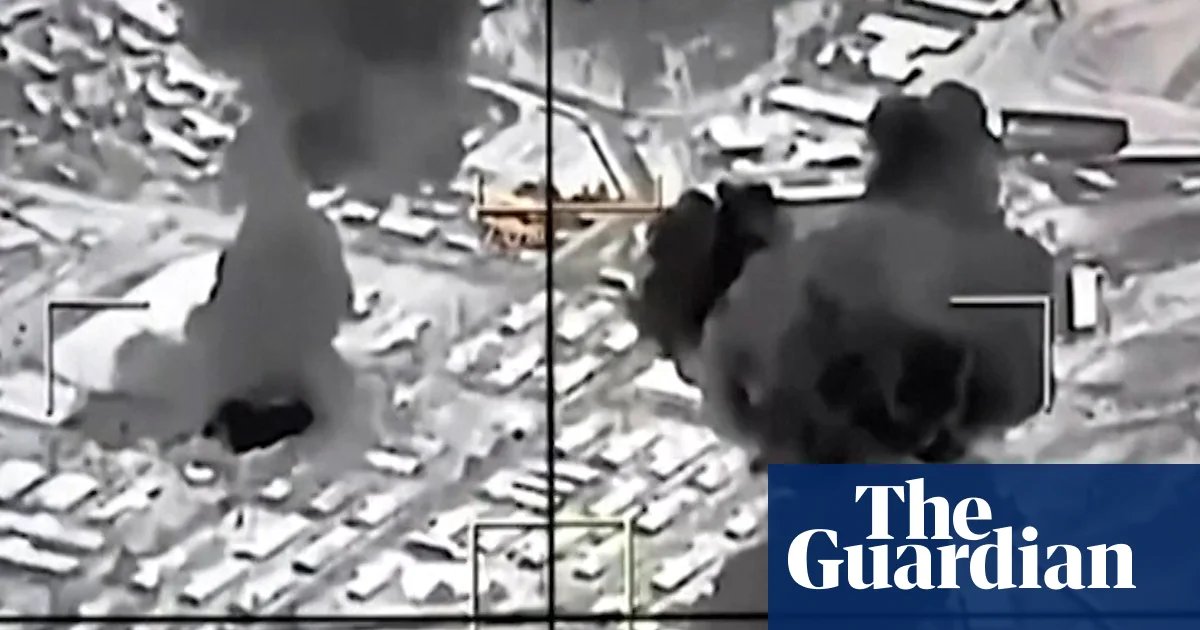
Pakistani security officials have released footage that they claim depicts airstrikes targeting Afghanistan’s capital, Kabul. This action appears to be part of a retaliation phase following an attack initiated by Afghanistan earlier in the week. On Thursday, Afghan forces conducted a cross-border strike against Pakistan, citing the need to respond to lethal airstrikes carried out by Pakistan in its border regions just days before.
The retaliatory nature of these exchanges has led to significant disruptions, including the closure of the Torkham border crossing, a critical trade artery for both countries. The closure not only affects trade but also raises concerns about the humanitarian implications for populations living along the border.
Statements from Leadership
Amid these escalating hostilities, the Minister of Defence from Pakistan has publicly stated that the two neighboring countries are in a state of “open war.” This declaration signifies a stark shift in the relationship between Pakistan and Afghanistan, with both sides now engaging in aggressive military actions that indicate a deepening crisis.
Impacts and Consequences
The ramifications of this conflict extend beyond immediate military confrontations. The ongoing violence poses severe risks to regional stability and could potentially draw in broader international reactions. Additionally, the closure of vital trade routes could hinder economic activities, exacerbating hardships for civilians on both sides of the border.
Conclusion
As tensions continue to rise between Pakistan and Afghanistan, the situation remains fluid. Both nations must grapple with the consequences of their military actions, which not only endanger bilateral ties but also pose significant threats to civilian life and regional peace. Ongoing dialogue is imperative to prevent further escalation and to seek a peaceful resolution.
- Recent airstrikes on Kabul are part of a retaliatory cycle between Pakistan and Afghanistan.
- The Torkham border crossing has been closed, hampering essential trade.
- Pakistan’s Defence Minister has characterized the relationship as one of ‘open war.’
- The escalating conflict has critical humanitarian and economic implications for both nations.