

Understanding Seniors’ Bird-Feeding Habits: A Closer Look
Bird-feeding among seniors may initially appear harmless, yet a deeper examination reveals a complexity influenced by various emotional and cognitive factors. As indicated by experts, issues such as habit, loneliness, spiritual beliefs, and mildly impaired cognitive function play critical roles in this behavior.
The Habit of Feeding Birds
For some older adults, feeding birds becomes a routine that fills the void left by a more structured life they experienced during their working years. Ms. Wee from Lions Befrienders explains that, as social isolation sets in, the act of nourishing wildlife can serve as a source of companionship. This connection to nature can take the place of lost interactions with people around them.
Moreover, spiritual beliefs, particularly those found in Buddhist practices, may encourage this behavior. Concepts such as kindness and karma, which may manifest as the “life release”—the practice of freeing animals—could influence seniors’ actions. Furthermore,Ms. Wee points out that those with mild cognitive impairments might struggle to comprehend the potential harm associated with feeding wild animals, even when the negative impacts are made clear to them. Their decisions may still be driven by fond childhood memories associated with feeding animals and lessons centered on reducing food waste.
Building Connections Through Nature
Ms. So Man Shan, the manager at AWWA Active Ageing Centre, emphasizes the importance of routine and connection to the surroundings for seniors engaged in bird-feeding. This activity becomes especially crucial for those experiencing feelings of social isolation or limited opportunities for meaningful engagement. Unfortunately, many may not fully grasp the environmental implications that come with feeding wild birds, which can have adverse effects on both wildlife populations and public health.
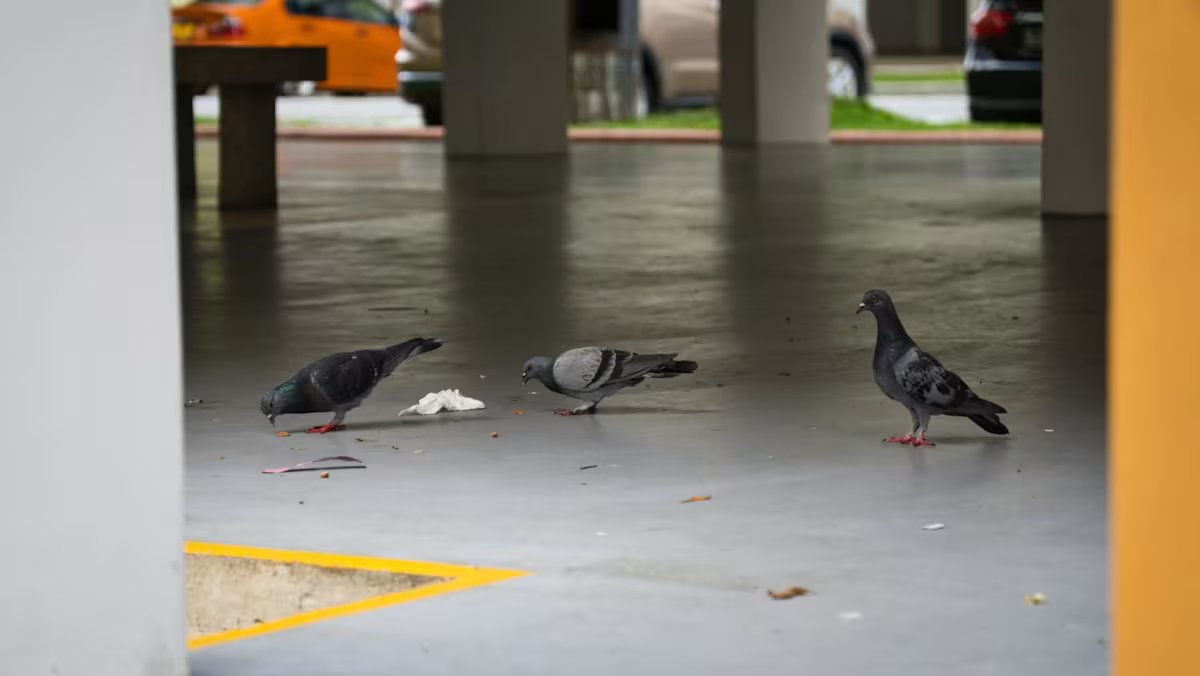
Feeding can lead to an unsustainable increase in certain animal populations, with species such as pigeons, crows, and Javan mynas potentially overwhelming native birds. These invasive species can also contribute to environmental clutter through their droppings. In response to rising instances of crow attacks—reportedly increasing fourfold from 2020 to 2025—NParks has planned to resume crow population control measures, including shooting, trapping, and removing nests, in addition to public education initiatives.
Promoting Responsible Birdfeeding
NParks has launched outreach programs, like “Our Avian Neighbours”, aimed at educating seniors about the ramifications of bird-feeding. Working together with community organizations, they aim to understand the motivations behind these actions and to implement effective strategies to deter harmful feeding practices. The Agency for Integrated Care (AIC) is also stepping in to connect seniors with befriending services and active aging centers, facilitating a sense of community and engagement.
“Many seniors crave routine, connection, and a sense of purpose,” shares Ms. So. She highlights the need for continuous community initiatives that provide seniors with regular opportunities to feel valued and engaged. Activities such as interest-based groups, intergenerational events, and animal-assisted sessions at centers like AWWA create avenues for friendships and social networks, which are essential for combating loneliness.
Conclusion
As we better understand the motivations behind seniors’ bird-feeding habits, it becomes clear that addressing these behaviors requires a combination of compassion and education. By fostering community connections and providing engaging alternatives, we can help seniors find fulfillment in healthier ways.
- Seniors often feed birds out of routine, loneliness, and spiritual beliefs.
- Mild cognitive impairments can hinder understanding of the consequences of feeding wildlife.
- Community initiatives are vital for providing alternatives and reducing harmful behaviors.
- Continued outreach and education can promote responsible interactions with local wildlife.