

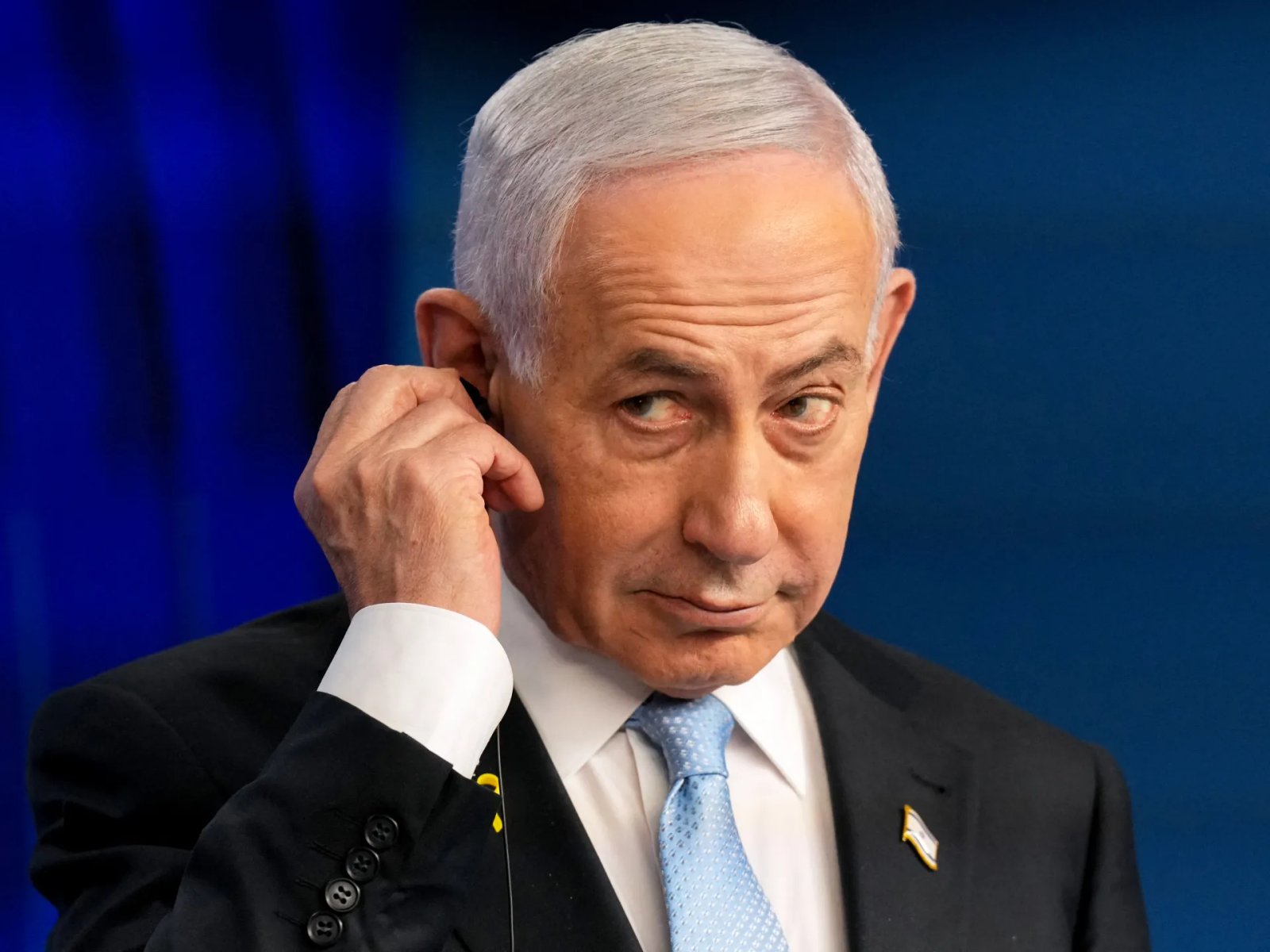
Netanyahu’s Inquiry into Government Failures: Controversy and Calls for Accountability
The announcement that Israeli Prime Minister Benjamin Netanyahu will lead an inquiry into his government’s shortcomings prior to the devastating Hamas attacks on October 7, 2023, has sparked significant criticism throughout Israel. Many are advocating for an independent state commission, ideally chaired by a current or former Supreme Court justice, to properly investigate these failings.
Public Support for an Independent Inquiry
Demands for a thorough state inquiry have been ubiquitous following the attacks. Prominent voices, including senior military leaders and the families of victims from October 7, alongside public opinion polls, express a strong consensus on the necessity of an independent investigation to hold the government accountable. Despite this, Netanyahu has avoided calling for such an inquiry, prioritizing the ongoing military response in Gaza, which has resulted in over 70,000 casualties since the onset of hostilities.
The Proposed Inquiry Structure
Recently, the Prime Minister’s Office revealed Netanyahu’s intentions to advance legislation for a politically appointed inquiry, with himself at the helm. Key ally and parliament Speaker Amir Ohana is expected to play a significant role in selecting its six members. While the government plans to seek bipartisan support for these appointments, there are concerns that if the opposition refuses to participate, Ohana will appoint representatives unilaterally.
Coinciding with these developments, a cabinet team tasked with outlining the inquiry’s scope is set to convene in West Jerusalem. This meeting coincides with Netanyahu’s scheduled testimony in his ongoing corruption trial in Tel Aviv.
Public Sentiments on the Inquiry’s Independence
A recent poll by Israel’s Institute for National Security Studies indicated that 75% of Israelis favor an independent inquiry. Emotional appeals are particularly strong among military officials and relatives of those affected by the October attacks. Tensions escalated in court earlier this month when some bereaved family members displayed signs demanding a state inquiry, leading to accusations of courtroom disruption, which they firmly denied.
Eyal Eshel, a father of one soldier who died on October 7, expressed the sentiment of many families in court, stating that they aimed merely to confront Netanyahu and call for an inquiry. Former Defense Minister Yoav Gallant and ex-army chief Herzi Halevi have also consistently voiced the need for a state inquiry.
Political Reactions to the Inquiry Announcement
Responses from outside Netanyahu’s coalition have been overwhelmingly negative. Yair Golan, leader of the Democrats, vocally condemned the inquiry as a conflict of interest, characterizing it as an effort by Netanyahu to absolve himself of responsibility. Others, like Avigdor Liberman from the Yisrael Beytenu party, joined the call for a state inquiry, suggesting that “a guilty conscience gives itself away.” Benny Gantz’s Blue and White party announced plans to petition the parliament’s State Control Committee to enforce a state commission’s establishment.
Family Reactions from Victims of October 7
Families of victims are expressing outrage at the government’s approach. A statement from the October Council, representing family members of those killed or captured, accused the government of “spitting in the face” of bereaved families. They emphasized the need for an inquiry that is free from governmental interference and reiterated their determination to seek justice for their loved ones.
Past Inquiries and Failures
Examinations of military actions surrounding the October 7 attacks have already acknowledged significant faults. A February investigation recognized the army’s “complete failure” to anticipate Hamas’s capabilities. In response to these shortcomings, then-army head Halevi admitted to serious security lapses.
The military’s own investigation has been criticized for being inadequate, evidenced by findings from an external panel appointed by Halevi’s successor. Furthermore, Israel’s internal security agency, the Shin Bet, conceded to several oversights in intelligence gathering before the October attacks, leading to the resignation of its director amid tensions with Netanyahu. Yet, the prime minister has yet to acknowledge any personal or political accountability for the events preceding the October attack.
Conclusion
The push for an independent inquiry into the failures of the Israeli government leading up to the October 7 attacks continues to stir significant public and political debate. As families demand accountability, the call for a commission free from political influence remains a central point of contention in Israeli society.
- Netanyahu will lead a politically appointed inquiry into government failures prior to the October 7 attacks.
- Public support for an independent inquiry is strong, with many calling for accountability.
- Political leaders and families of victims are vocally criticizing the government’s lack of transparency.
- Past investigations have identified significant security failures within the military and intelligence agencies.