

Myanmar’s Significant Election Amid Ongoing Conflict
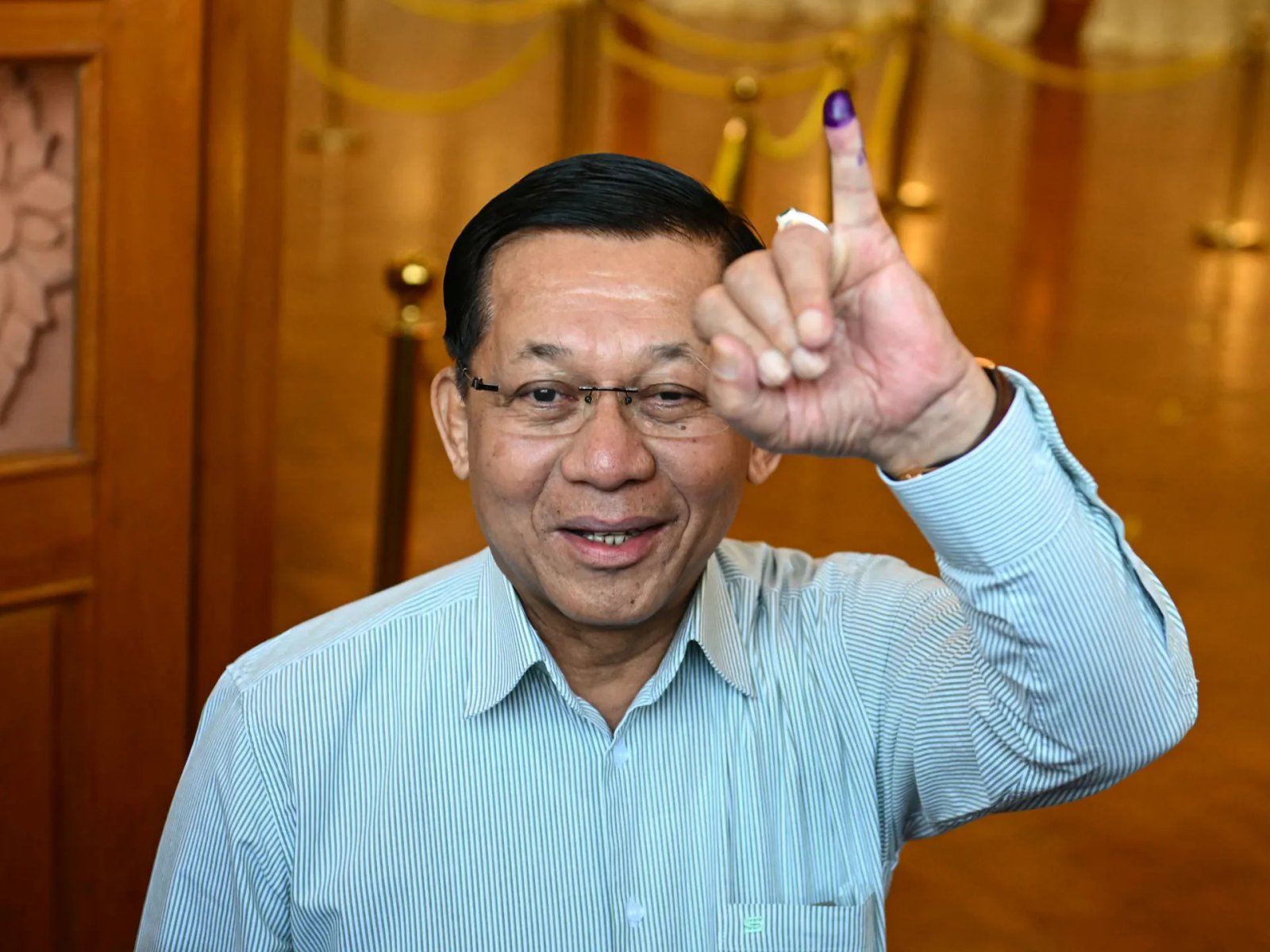
Myanmar has commenced its first general election since the military coup that ousted Nobel laureate Aung San Suu Kyi and her democratically elected government in 2021. This election, which is heavily restricted, is taking place in roughly a third of the nation’s 330 townships, as parts of the country remain inaccessible due to an ongoing civil war between the military and various opposition groups.
Details of the Election
The election day began with polling stations opening at 6 AM local time, though it only reached about a third of the country due to significant unrest in other regions. After today, there are two more rounds of voting scheduled for January 11 and January 25, with 65 townships completely excluded from this electoral process. According to Al Jazeera reporter Tony Cheng, this disenfranchisement means that over 20% of the country’s population is unable to participate. A crucial point of focus will be city turnout, particularly in Yangon, where reports suggest a steady flow of middle-aged voters, yet a noticeable absence of younger individuals.
Voter Concerns
The ballot itself presents limited options, primarily dominated by military-affiliated parties, raising concerns among critics about the fairness and credibility of the election. International organizations, including the United Nations and numerous human rights groups, have lambasted this process as not being free or fair. The National League for Democracy (NLD), formerly led by Aung San Suu Kyi, has been dissolved, and she remains in detention despite the widespread support her party garnered during the last election held in 2020.
The Military’s Perspective
The ruling military regime in Myanmar has claimed that this election represents a new beginning for the nation, with military leader Senior General Min Aung Hlaing positioning the polls as a step toward political and economic reconciliation. An opinion piece in the state-run media suggested that the elections aim to transform Myanmar’s narrative from one plagued by conflict to a hopeful chapter focused on peace and economic restoration. However, the ongoing violence and repression present a stark contrast to these positive projections.
Impact of the Civil War
The civil unrest initiated by the 2021 coup has led to an estimated 90,000 fatalities and displaced approximately 3.5 million people, leaving over 22 million in dire need of humanitarian assistance. The Assistance Association for Political Prisoners reports that more than 22,000 individuals are currently detained on political charges, highlighting the serious implications for grassroots freedoms like expression and peaceful assembly.
Security Measures and Technological Changes
As election day progressed in Yangon, security measures intensified, with stations cordoned off and armed officers at various intersections. Officials implemented electronic voting machines for the first time, which restrict write-in candidates and spoiled ballots, further complicating the voting experience.
Public Sentiment
Public reaction is mixed, with some voters feeling indifferent to international criticism. For instance, early voter Swe Maw, 45, expressed that such matters weren’t significant, insisting public opinion varies. On the other hand, others like Moe Moe Myint, 40, voiced strong disapproval, stating it was impossible for the election to be conducted freely and fairly given the military’s past actions and the ongoing humanitarian crisis.
Future Uncertainty
The next rounds of voting are set for the upcoming weeks, but the specific days for counting votes and announcing results remain undisclosed. Analysts indicate that the military’s attempts to stabilize its rule amidst growing conflict are fraught with challenges, and international recognition of any military-led government is unlikely, regardless of its outward appearance as civilian-led.
Conclusion
Myanmar’s current election landscape reveals deep divisions and substantial humanitarian concerns. The implications of these elections extend beyond political power, affecting lives throughout the nation.
Key Takeaways
- This is Myanmar’s first general election since the 2021 military coup.
- Only about one-third of townships participated, with significant disenfranchisement.
- The election process is criticized for lack of fairness and credibility.
- The ongoing civil war has resulted in extensive human suffering and rights violations.