

Facing the Truth: A Daughter’s Journey to Healing
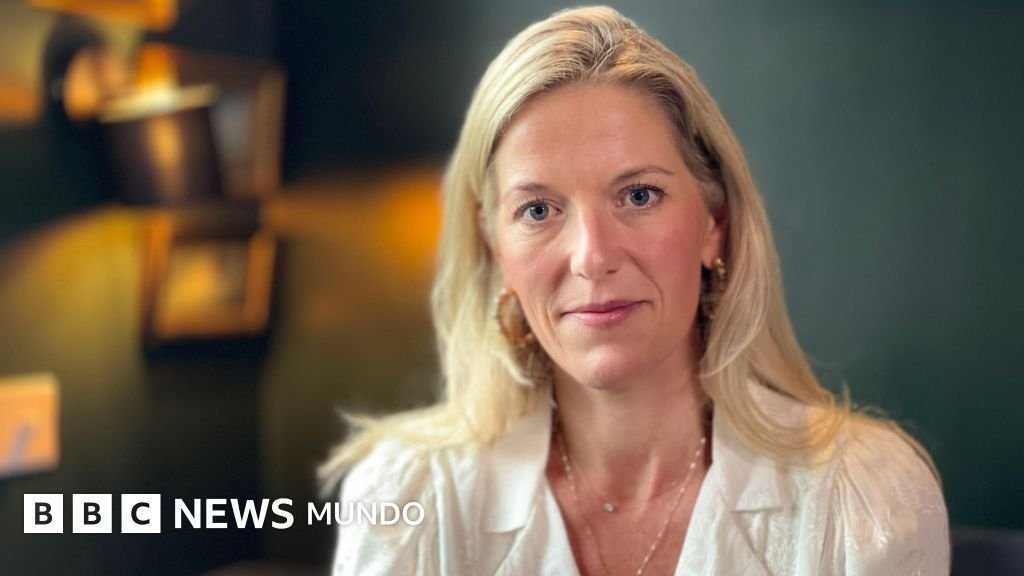
Fiona Rugg’s story reveals the profound impact of confronting the troubling legacy left by her father, John Smyth, who is alleged to have abused around 130 children during his time linked to the Church of England. In this article, we explore Rugg’s emotional journey as she navigates the horror of her father’s actions and seeks healing from the trauma that has shadowed her life.
Uncovering the Terrible Truth
At 47 years old, Fiona Rugg has begun to process the devastating truth about her father—a lawyer and former chairman of a Christian charity—who passed away before facing justice. His actions in the late 1970s and early 1980s, which included heinous physical and sexual abuse under the guise of spiritual discipline, have left scars on many lives.
As she comes to terms with her father’s actions, Rugg describes her experience as often overwhelming, battling feelings of “shame by association.” She shared, “I can understand, logically, that I am not to blame, yet I struggle with guilt knowing he could do such things to others, without ever expressing regret.”
Confronting the Legacy of Abuse
Rugg’s drive to shed light on her father’s actions comes after the release of the Makin Report in 2024, which criticized the church’s handling of abuse allegations as a cover-up. A clergyman even acknowledged that revealing the truth could harm the church’s mission. “I want to challenge that cover-up and bring the truth to light,” Rugg affirmed.
Reflecting on the horrifying extent of her father’s abuse, which she describes as “shocking,” she expressed how understanding this reality is helping her heal. “I have forgiven him, but that doesn’t remove the pain or justify his actions. I no longer feel as affected or ashamed, but that doesn’t lessen the reality of what he did,” she stated. “I apologize on behalf of my father for what he did to those children.”
A Troubled Childhood
Rugg’s recollection of her upbringing paints a picture of fear, driven by her father’s unpredictable moods. “The dominant feeling was fear, from my earliest memories,” she said. “My father was emotionally unstable, often angry, creating an atmosphere where we all had to tread lightly.” This fear was compounded by guilt from her conflicting feelings towards him.
Perceptions vs. Reality
During her childhood, Rugg felt completely ignored by her father, leading her to doubt her own judgment about his volatile character. “What I saw was confusing. How could someone so fierce be adored by so many?” she recalled. As she watched him interact warmly with other children, she remained at a distance, believing she was a “distraction.”
“We experienced a John Smyth that was entirely different from the one he presented to the world,” she explained. “The natural conclusion for a child is to think, ‘He must be right, and I must be the problem.’”
The Abuser’s Profile
John Smyth’s abusive behaviors escalated following his entry into the Winchester College through a Christian association. He would invite students to his home for Sunday lunches, only to subject them to severe physical abuse under the pretense of discipline for their “sins.” An internal investigation uncovered his brutality in 1982, which detailed the suffering of many children but failed to bring him to justice.
Instead, influential evangelical figures within the Church of England facilitated his escape from the UK, allowing him to evade prosecution for years. When Rugg’s family moved to Zimbabwe in 1984, her father framed it as a selfless act of missionary work, despite leaving turmoil in his wake.
Questions Grow
Once she grew older and returned to England, Rugg began to question her father more deeply. “People’s reactions shifted when they realized who I was. Instead of kindness, there was silence or concern,” she noted. After confronting him during Christmas, his explosive anger convinced her of his guilt.
Breaking the Silence
The revelations surrounding Smyth’s abuse came to light in early 2017 through a Channel 4 investigation. Rugg was devastated to see her father’s image connected to horrific crimes against vulnerable youths. “It was shocking to learn that he was responsible for ruining the lives of so many innocent children,” Rugg reflected. “His hypocrisy, cloaked in faith, is truly abhorrent.”
Following a police summons for questioning in 2018, Smyth passed away from heart failure just days later, leaving many questions unanswered. Despite this, Rugg has found a way to speak about him without resentment. “By confronting my father’s actions, I’ve found a path to healing and forgiveness,” she shared. “I don’t carry that knot of anxiety anymore when I think of him, and that is progress.”
Conclusion
Fiona Rugg’s journey reflects the complexities of facing a painful familial legacy while seeking personal healing. By bringing the truth to light, she hopes to find peace and encourage others to address their pasts. Healing is possible, even from the deepest wounds.
- Fiona Rugg bravely confronts her father’s abusive legacy.
- Understanding the extent of the abuse has been crucial in her healing process.
- The Makin Report highlighted the church’s inadequate handling of abuse allegations.
- Rugg emphasizes the power of facing painful truths for personal growth and forgiveness.