

Tragic Murder of Corsican Separatist Leader Alain Orsoni
The recent assassination of Alain Orsoni, a prominent former separatist leader in Corsica, has garnered significant attention. Orsoni was shot dead during his mother’s funeral, prompting an investigation by organized crime prosecutors on the island. This shocking event has not only highlighted the ongoing issues of violence in Corsica but also the historical complexities surrounding its political landscape.
The Incident
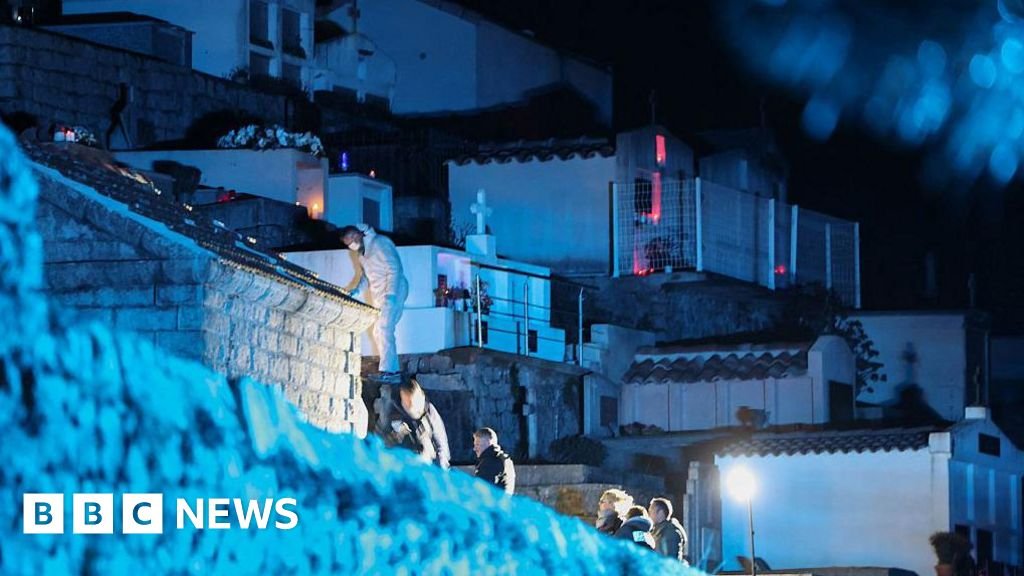
Seventy-one-year-old Orsoni, who had been living in exile in Nicaragua, was fatally struck by a bullet while attending a ceremony in the village of Vero. Eyewitness accounts suggest he was shot in the chest by a gunman who had been lying in wait, shortly after the funeral service concluded.
“It seems he was hit by a long-range shot. He succumbed to his injuries quite rapidly,” stated Corsican prosecutor Nicolas Septe.
Community Response
Father Roger-Dominique Polge, who officiated the funeral, described the harrowing moment: “We had just buried Alain’s mother, a time of sorrow, when suddenly we heard a gunshot and Alain fell dead. In the midst of our grief, I couldn’t help but wonder: where are we, and what kind of life are we leading? It’s as if Corsica has become more dangerous than Sicily—it’s beyond comprehension.”
The Investigation
Authorities are probing the circumstances surrounding Orsoni’s murder, with cases of organized crime in Corsica being handled by a newly established national anti-organized crime prosecutor’s office alongside regional crime units based in Marseille. Preliminary reports indicate a possible connection between Orsoni’s murder and recent gangland violence linked to his son, Guy Orsoni.
In 2023, two associates of Guy Orsoni were killed in a similar fashion—shot from a distance. Guy himself is currently serving a 13-year sentence for his involvement in a violent crime against a member of the Petit Bar gang.
Alain Orsoni: A Complex Legacy
Orsoni’s life was marked by both political engagement and criminal allegations. He became a well-known figure in Corsican nationalism during the 1970s, participating in a notorious armed attack outside the Iranian embassy in 1980. His family was also deeply entwined in political turmoil, with his brother going missing and presumed murdered shortly after.
Criminologist Alain Bauer pointed out the intertwined fates of Orsoni and his family, each impacted by politics and crime over the years. Alain later founded the Movement for Self-Determination (MPA), which won seats in the 1992 elections. However, he faced various legal challenges, leading to imprisonment for multiple offenses.
After leaving Corsica due to political conflicts among nationalist leaders in 1996, Orsoni returned to the island in 2008 to preside over the AC Ajaccio football club. Just weeks after assuming this role, police thwarted an assassination attempt against him linked to the Petit Bar gang.
Although his official tenure with the club ended in 2015, he returned as president in 2022, shortly before resigning and going back into exile.
Orsoni acknowledged the dangers he faced, stating in a 2012 interview, “I’m not afraid of dying. I don’t wake up every morning thinking I’m going to be killed. I live a normal life without bodyguards.”
Despite facing numerous threats throughout his life, he strongly refuted claims of being a criminal mastermind, stating, “To portray me as a godfather is absurd. I may have led a nationalist movement, but that does not make me a dangerous criminal.”
Conclusion
The tragic murder of Alain Orsoni serves as a stark reminder of the complex interplay between politics and organized crime in Corsica. As investigations progress, the local community grapples with the violence that continues to plague the island and the legacies of its historical figures.
- Alain Orsoni was shot dead during his mother’s funeral in Corsica.
- The investigation into his murder is being led by anti-organized crime prosecutors.
- Orsoni had a complicated background, entangled in both politics and criminality.
- The incident raises serious questions about ongoing violence in Corsica.