

Brazilian President Threatens to Abandon EU-Mercosur Trade Deal
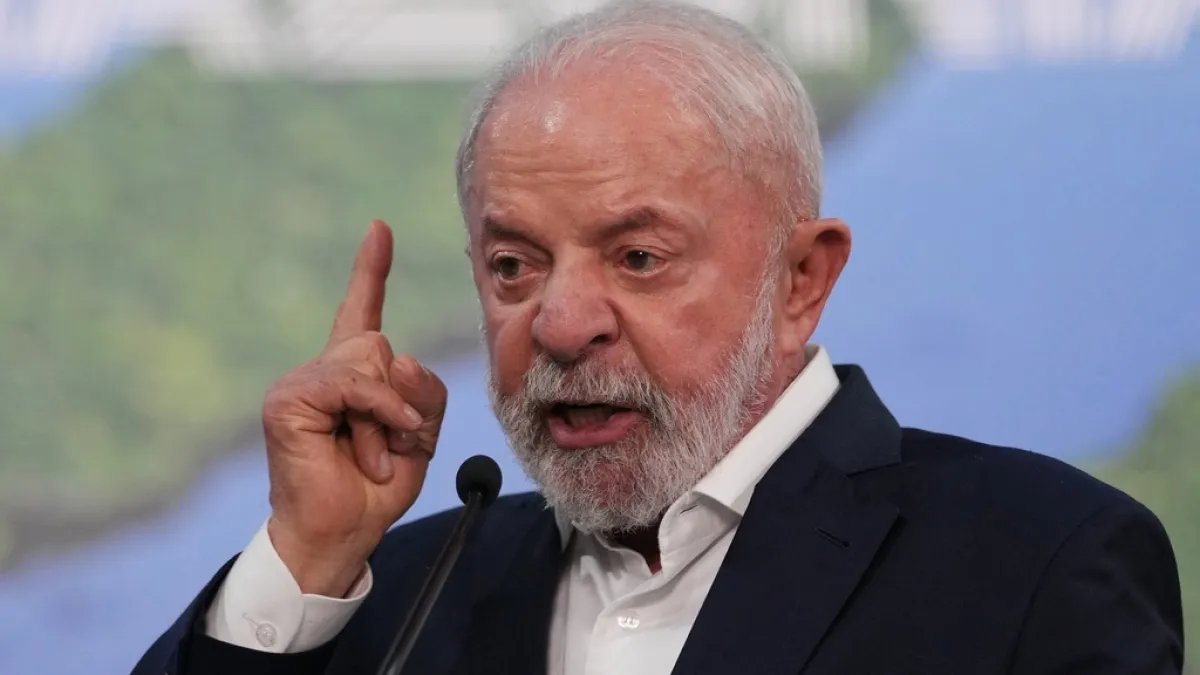
Brazil’s President Luiz Inacio Lula da Silva has issued a stark warning regarding the long-anticipated trade agreement between Mercosur countries and the European Union. With Italy joining France in expressing reluctance about signing the deal, Lula emphasizes the urgency of reaching an agreement, stating that it might be now or never for Brazil.
The Growing Hesitation Among EU Members
The Brazilian leader’s announcement came during a cabinet meeting, where he highlighted Italy’s recent declaration of indecisiveness concerning the trade pact, which aims to establish one of the world’s largest free-trade areas. Lula’s concerns intensified as Italy followed France in delaying commitment to the agreement.
The initial expectation among EU officials was to finalize the deal ahead of an important meeting in Brazil, where European Commission President Ursula von der Leyen was set to sign the pact with Brazil and its Mercosur partners—Argentina, Paraguay, and Uruguay—this Saturday.
“I have already warned them: If we don’t do it now, Brazil won’t make any more agreements while I’m president,” Lula declared, adding that Brazil has made significant diplomatic concessions throughout the negotiation process.
Italy’s Reservations
The trade agreement, which has been in negotiation for over two decades, has garnered robust support from some EU nations, particularly Germany, Spain, and various Nordic countries. This support is fueled by the increasing competition from China and the recent tariffs imposed by the United States, motivating EU nations to diversify their trade relationships.
The deal would enable the EU to increase exports of vehicles, machinery, spirits, and wine to Latin America, while simultaneously allowing Brazil and its neighbor countries to enhance exports of beef, sugar, rice, honey, and soya beans to Europe.
However, France’s insistence on delaying the vote has gained momentum, particularly following remarks from Italian Prime Minister Giorgia Meloni. In a speech to Parliament, Meloni stated, “It would be premature to sign the deal in the coming days,” emphasizing that the necessary safeguards for Italian farmers have yet to be finalized.
Importantly, Meloni clarified that Italy does not aim to obstruct the deal entirely, expressing optimism that concerns will be adequately addressed, allowing for a potential signing in early next year.
In response to the ongoing hesitations, French President Emmanuel Macron indicated his government’s strong opposition to any attempts to rush the agreement through amidst these lingering issues. Meanwhile, Hungary and Poland have also shown a lack of enthusiasm for the proposed deal.
Addressing Agricultural Concerns
In a bid to address these apprehensions, the EU has reached a provisional agreement aimed at implementing stricter controls on agricultural imports. This development follows protests from farmers concerned about the deal’s implications.
The new framework stipulates that an investigation could be triggered if import volumes increase by more than 8% per year, or if prices for certain products drop significantly within EU member nations.
EU leaders are scheduled to discuss this pivotal issue at a summit in Brussels, aimed at navigating the complexities surrounding this significant trade agreement.
- Brazilian President Lula warns of abandoning the EU-Mercosur trade deal amid delays.
- Italy joins France in expressing hesitance, citing unfinalized agricultural safeguards.
- The trade pact aims to enhance exports for both the EU and Mercosur nations.
- The EU plans to impose stricter controls on agricultural imports to address concerns.