

South Korea Launches Investigation into the Jeju Air Disaster
In a significant move, South Korea’s parliament has initiated an independent inquiry into the tragic Jeju Air crash, which became the deadliest aviation disaster on the nation’s soil. As families of the victims express their outrage over perceived investigation delays and attempts to cover up the circumstances surrounding the event, the parliamentary committee aims to probe all aspects of the incident.
The Incident Overview
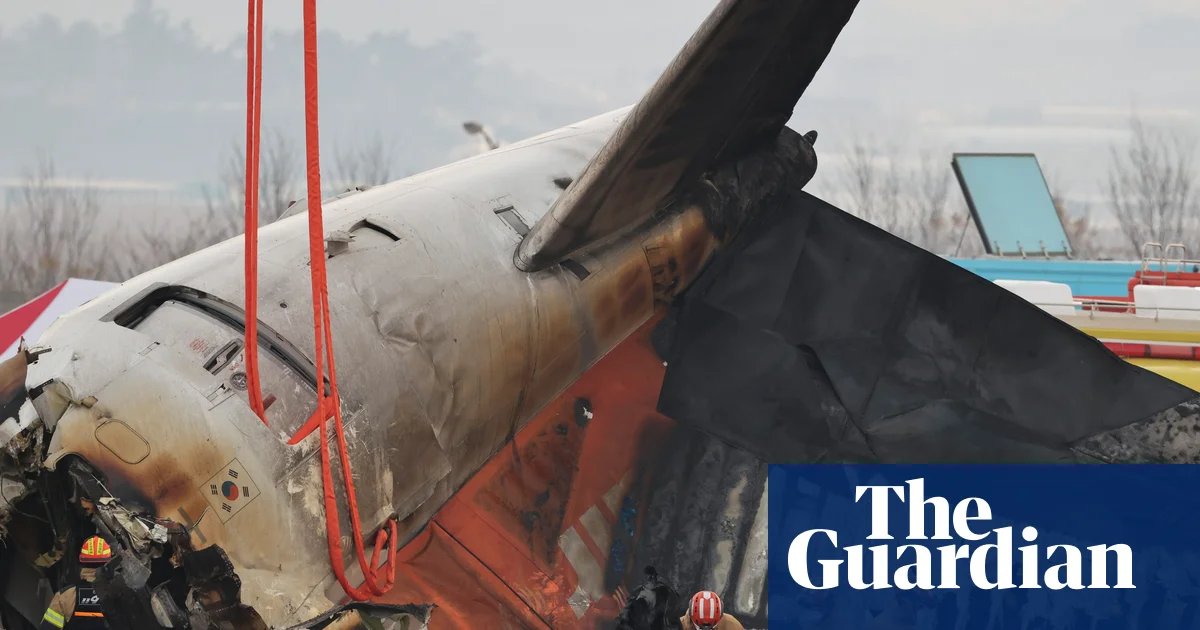
On December 29, 2024, a Jeju Air Boeing 737-800, carrying 181 passengers, faced a catastrophic event when it crashed at Muan International Airport, located approximately 288 kilometers south of Seoul. The plane, which had flown in from Bangkok, reported a bird strike during its landing approach. Although the aircraft managed to belly-land without immediate incident, it subsequently collided with a concrete embankment at the runway’s end, resulting in an explosion and a tragic loss of life.
Parliamentary Inquiry Details
The 18-member committee established by the parliament will conduct a thorough investigation over the next 40 days, with the option to extend if necessary. Their focus will include an examination of whether government agencies attempted to downplay or hide evidence during the official inquiry process.
This investigation was greenlit by an overwhelming 245 votes in favor, following the government’s decision to cancel planned hearings earlier this month, which sparked a wave of frustration among the victims’ families.
Concerns Regarding Flight Safety Oversight
Nearly a year has passed since the crash, and the families are primarily directing their ire toward the Aviation and Railway Accident Investigation Board. This body has been responsible for conducting the official inquiry and reports directly to the Ministry of Transport, the same department tasked with ensuring airport safety and managing the concrete structure believed to have exacerbated the disaster.
As the families noted, this situation creates a troubling conflict of interest that undermines the integrity of the investigation, as they believe the same entity responsible for oversight is investigating itself. They argue this contravenes established international aviation standards for impartiality.
Scope of the Investigation
The parliamentary inquiry will delve into several pivotal issues, such as the mismanagement of the reported bird strike, potential aircraft defects, and the impact of the concrete embankment. The committee possesses the authority to summon officials from various governmental and aviation agencies for hearings and document scrutiny.
In the meantime, local police are actively investigating multiple current and former officials from the Ministry of Transport in connection with this devastating event.
Public Sentiment and Ongoing Challenges
In a notable turn of events, the Araib board postponed public hearings that were scheduled for early December, further inciting the families’ frustration. They labeled these hearings a mere formality aimed at glossing over the gravity of the situation, thereby minimizing public accountability.
International regulations dictate that an interim report must be issued by December 29 if a comprehensive final report is unattainable. The journey toward transparency in this investigation has encountered numerous obstacles.
In July, families disrupted a media briefing when they learned that investigators had attributed part of the blame to pilot error, stating that the crew had shut down a functional engine after the bird strike. Furthermore, a recent initiative to re-examine the wreckage was canceled after the families were denied the opportunity to photograph the process, deepening the existing mistrust.
This controversy is reflective of broader anxieties regarding South Korea’s handling of significant disasters, including events like the Itaewon crowd crush and the Sewol ferry sinking—both marked by families’ relentless search for justice and accountability.
- South Korea’s parliament has initiated an independent inquiry into the Jeju Air crash, the deadliest air disaster in the country.
- The investigation will examine potential mismanagement and conflicts of interest surrounding the official inquiry.
- Families of the victims have expressed frustration over delays and the response of the authorities.
- This case highlights ongoing issues with accountability in South Korea’s handling of major disasters.