

Japan Approves Record Defence Budget Amid Tensions with China
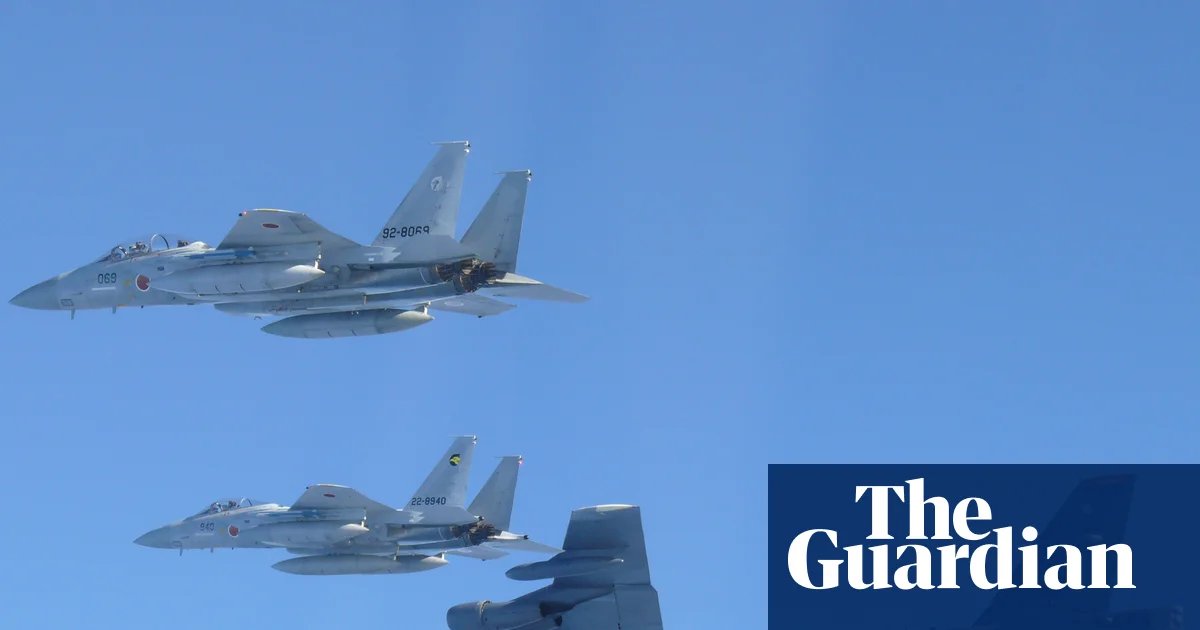
In a significant move reflecting escalating regional tensions, Japan’s cabinet has endorsed a record-high defense budget, intensifying concerns over security dynamics with China. The latest budget, exceeding ¥9 trillion (approximately $58 billion), marks an increase of 9.4% compared to the previous fiscal year’s allocation. This decision aligns with Japan’s ongoing five-year strategy to double its defense spending to 2% of its GDP.
Strategic Focus on Defence Initiatives
The newly approved budget will prioritize enhancing Japan’s defensive capabilities, particularly in terms of counter-strike mechanisms and coastal security. A key element of this initiative includes an investment of ¥100 billion for the deployment of advanced unmanned drones—operating above and below water—under a system labeled “Shield,” slated for implementation by March 2028. This strategy will bolster surveillance and defensive actions along Japan’s shores, defense officials stated.
Rising Tensions with China
This budgetary increase surfaces during a time of heightened diplomatic friction between Japan and China. Relations deteriorated markedly following comments from Japan’s Prime Minister Sanae Takaichi, suggesting that Japan could militarily intervene if China were to attack Taiwan. This statement prompted a sharp backlash from Beijing, which initiated a series of diplomatic and economic responses. Despite the criticism, Takaichi defended her remarks, asserting that they did not alter Japan’s defense policies.
In recent statements, Chinese officials have vocally opposed Japan’s military developments, alleging that Tokyo’s advancements in space technology—many made in cooperation with the United States—promote the militarization of space and contribute to a burgeoning arms race.
Japan’s Military Developments
Since March 2023, Japan has successfully launched multiple rockets carrying satellites and cargo spacecraft aimed at enhancing GPS and intelligence-gathering capabilities. Responding to these activities, a spokesperson for China’s defense ministry expressed concerns reminiscent of Japan’s militaristic past, prompting fears of another conflict akin to Pearl Harbor.
Constitutional Challenges and Defense Strategy
Japan’s post-World War II constitution prohibits the use of military force to resolve international disputes. However, a 2015 revision allows for collective self-defense in certain scenarios, even if Japan is not directly attacked. This shift has led to a reevaluation of Japan’s security posture, now explicitly identifying China as the primary strategic challenge.
Compounding these tensions, the United States has recently affirmed its support for Taiwan amidst fears of a potential Chinese annexation. Following a substantial arms sale to Taiwan exceeding $10 billion, critics in Beijing have accused the U.S. of encouraging Taiwanese independence and destabilizing the region.
Military Modernization and Regional Incidents
China’s ongoing military modernization efforts are largely focused on strengthening capabilities that might be employed against Taiwan. Despite the Chinese assertion that Taiwan is a province destined for reunification, the majority of the Taiwanese populace opposes this view. Recently, incidents involving Chinese aircraft locking their radar on Japanese military planes during exercises have escalated tensions, compelling Japan to lodge formal protests.
In response to these developments, Chinese officials maintain that their military spending is proportionate and lawful under international regulations.
- Japan’s cabinet has approved a historic defense budget of over ¥9 trillion amid rising tensions with China.
- The budget aims to enhance Japan’s coastal defenses and unmanned drone capabilities by 2028.
- Heightened diplomatic friction with China follows comments by Prime Minister Takaichi regarding Taiwan.
- Japan’s military strategy increasingly focuses on countering China’s assertive regional activities.