

Push for More Women’s Restrooms in Japan’s Parliament
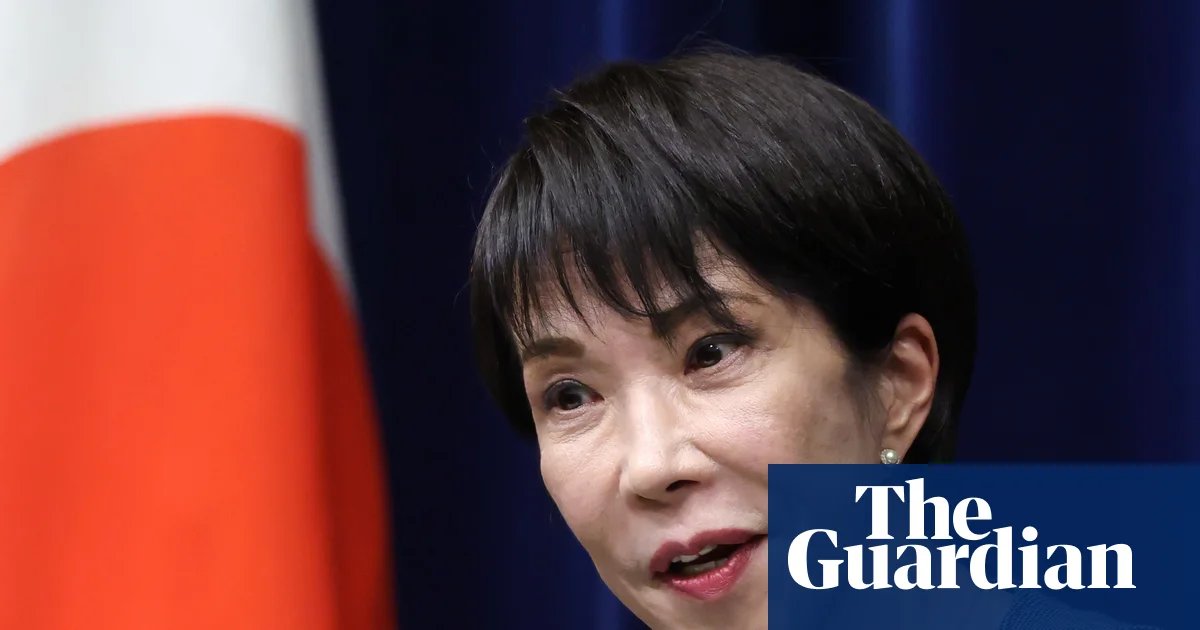
In a significant move towards gender equality, nearly 60 female lawmakers in Japan, led by Prime Minister Sanae Takaichi, have put forth a petition advocating for an increase in the number of toilets available for women in the parliament building. This request highlights the growing representation of women in Japanese politics, while also underscoring the ongoing challenges they face.
The Current State of Women in Japanese Politics
Despite recent strides, Japanese politics remains predominantly male. The number of women in the parliament saw an uptick following the last election, culminating in Takaichi becoming Japan’s first female prime minister in October. However, the practical accommodations for these lawmakers emphasize the disparity still present. Currently, there is only one restroom with two stalls dedicated to the 73 women representatives in the lower house, located near the main plenary session hall in Tokyo.
“Before plenary sessions begin, a considerable number of women lawmakers find themselves waiting in long lines for the restroom,” expressed Yasuko Komiyama from the opposition Constitutional Democratic Party. Her statement came after she submitted a bipartisan petition, which garnered the signatures of 58 women, to Yasukazu Hamada, the chair of the lower house committee on rules and administration.
Historical Context and Disparities
The Diet building dates back to 1936, nearly ten years before women in Japan gained the right to vote in December 1945, following the nation’s defeat in World War II. Current figures reveal a stark contrast: the lower house boasts 12 men’s facilities with 67 stalls but only nine women’s restrooms, collectively offering just 22 cubicles, as reported by local media.
Japan ranked a concerning 118 out of 148 in this year’s World Economic Forum’s global gender gap report, with women facing widespread underrepresentation not only in politics but across business and media sectors. Candidates often confront sexist remarks during elections, with comments suggesting they should prioritize domestic duties over political aspirations.
Progress and Continued Challenges
Currently, women make up 72 of the 465 members of the lower house, a rise from 45 in the previous session, while 74 out of the 248 members in the upper house are women. The government aims to have women hold at least 30% of legislative positions.
Takaichi, who admires Margaret Thatcher, expressed a desire to achieve “Nordic” gender equality levels prior to her premiership. However, she appointed only two additional women in her 19-member cabinet. At 64, Takaichi has voiced her intentions to raise awareness about women’s health issues, even candidly discussing her own experiences with menopause, yet she is often categorized as socially conservative, opposing changes to legislation from the 19th century that mandates shared surnames for married couples and supporting male-only succession in the imperial family.
The increased demand for women’s restrooms, while indicative of growing representation, is also reflective of Japan’s broader struggles with gender equality, Komiyama pointed out. “This illustrates the rise in female lawmakers’ numbers,” she remarked, hoping for advancements in equality across different life spheres.
- Nearly 60 female lawmakers in Japan are advocating for more women’s restrooms in parliament.
- Only one restroom serving 73 female representatives highlights the gender disparity in political accommodations.
- Japan ranks low in global gender equality, facing challenges in political and business representation for women.
- Prime Minister Takaichi aims for increased awareness around women’s health even as challenges remain within her cabinet and policies.