

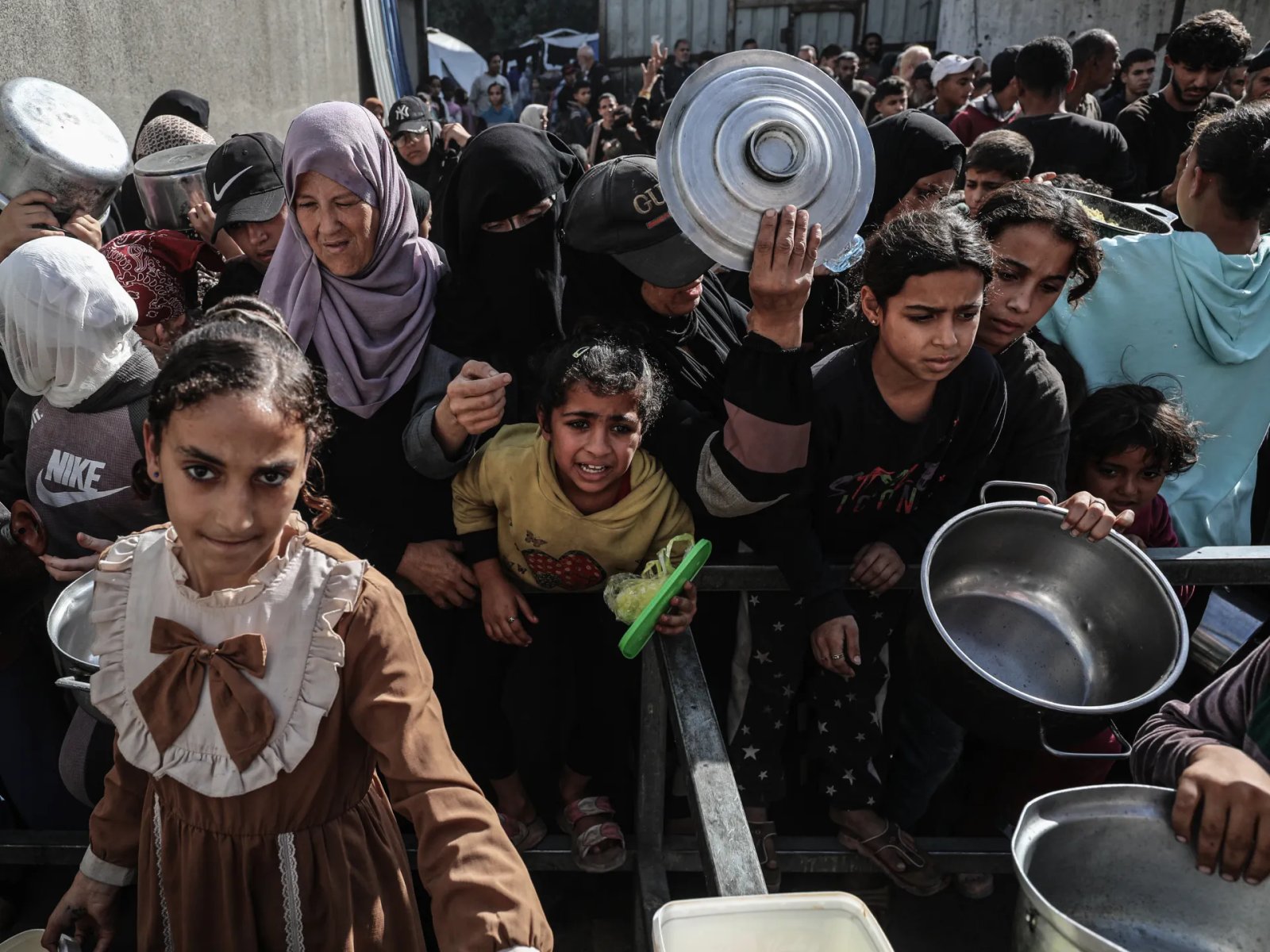
Israel Suspends Humanitarian Organizations Amid Gaza Crisis
In a significant move, Israel has announced the suspension of over two dozen humanitarian organizations, including prominent groups like Doctors Without Borders (MSF). This decision comes as a response to alleged failures by these organizations to comply with new operational regulations aimed at those working in the strife-ridden Gaza Strip. As the humanitarian situation deteriorates, the implications of this decision could be dire for the affected populations.
Organizations Facing Suspension
Starting Thursday, several humanitarian organizations will be barred from operating due to their inability to meet Israel’s updated requirements, which include greater transparency regarding their staff, funding, and operational methods. Among the groups affected are the Norwegian Refugee Council, CARE International, and the International Rescue Committee, alongside divisions of larger charities such as Oxfam and Caritas.
Accusations Against Doctors Without Borders
Israel has specifically targeted Doctors Without Borders, accusing the organization of failing to clarify the roles of certain staff members and suggesting that they have ties to Hamas. Minister of Diaspora Affairs, Amichai Chikli, stated, “The message is clear: Humanitarian assistance is welcome. The exploitation of humanitarian frameworks for terrorism is not.”
MSF, which plays a crucial role in Gaza’s healthcare landscape, has responded by asserting that Israel’s actions will severely hinder its operations. The organization supports 20% of the hospital beds and facilitates one-third of the births in the region. MSF vehemently denied the accusations, stating, “We would never knowingly employ people engaging in military activity.”
The Current Humanitarian Landscape in Gaza
International observers describe Israel’s new regulations as arbitrary and restrictive. According to Israeli officials, 37 groups in Gaza had their permits revoked, exacerbating the dire situation in the region.
Conditions Worsen as Winter Approaches
As winter sets in, civilians in Gaza are facing increasingly appalling conditions. A joint statement by ten nations, including Canada, France, and Norway, highlighted the urgent needs affecting 1.3 million people who still lack adequate shelter.
- Over half of the health facilities in Gaza are only partially functional.
- Severe shortages of essential medical supplies are reported.
- The collapse of sanitation infrastructure has left many vulnerable to flooding and disease.
The concerned nations have urged Israel to facilitate a “sustained and predictable” operation of international NGOs within Gaza and to open land crossings to allow a better flow of humanitarian aid.
Israel’s Response and Ongoing Contradictions
In response to the joint statement, Israel’s Ministry of Foreign Affairs dismissed it as “false but unsurprising,” arguing that it reflects a pattern of one-sided criticism while disregarding the necessity of disarming Hamas.
More than a hundred aid groups previously accused Israel of obstructing critical life-saving aid from entering Gaza. Since the onset of hostilities in October 2023, the humanitarian crisis has escalated, with reports indicating that over 71,000 Palestinians have been killed, and many more suffer from malnutrition or preventable diseases due to a lack of essential supplies.
Changing Processes for Aid Organizations
Earlier this year, Israel changed the registration protocols for aid groups, mandating the submission of staff lists that include Palestinians in Gaza. Some organizations refrained from doing so out of concern for the safety of their employees, particularly given the high risks associated with their work in the region.
“It comes from a legal and safety perspective. In Gaza, we saw hundreds of aid workers get killed,” stated Shaina Low, communications adviser for the Norwegian Refugee Council.
Implications for Future Aid Efforts
The suspension of licenses for these organizations means their offices in Israel and East Jerusalem will shut down, and they will be unable to send international staff or support into Gaza. As stated by Low, “Despite the ceasefire, the needs in Gaza are enormous,” leading to an overextension of local staff who are already under significant strain.
The impending revocation of licenses will take effect on Thursday, with organizations needing to vacate by March 1. This situation is not unprecedented; Israel has previously attempted to limit the operations of international humanitarian agencies, often citing security issues related to alleged infiltration by Hamas.
International Legal Obligations
In October, the International Court of Justice advised Israel that it must support UN relief efforts in Gaza, rejecting claims that the UN agency for Palestinian refugees, UNRWA, was linked to terrorist activities. The court reaffirmed that as the occupying power, Israel is obligated to ensure the basic needs of the Palestinian population are met, including access to food, water, and medical care.
Following Israel’s accusations, several countries halted funding for UNRWA, further jeopardizing the critical lifeline that this agency provides to the people of Gaza.
Conclusion
The suspension of humanitarian organizations by Israel casts a long shadow over the already dire humanitarian situation in Gaza. With winter approaching and essential services at risk, the international community must carefully monitor the evolving circumstances and advocate for the continued flow of humanitarian assistance.
Key Takeaways
- Israel has suspended over two dozen humanitarian organizations due to non-compliance with new regulations.
- Doctors Without Borders and several major charities face significant operational challenges in Gaza.
- The humanitarian crisis in Gaza is exacerbated by winter conditions and ongoing needs.
- International responses call for the facilitation of aid and accountability from Israel regarding its obligations to the Palestinian population.