

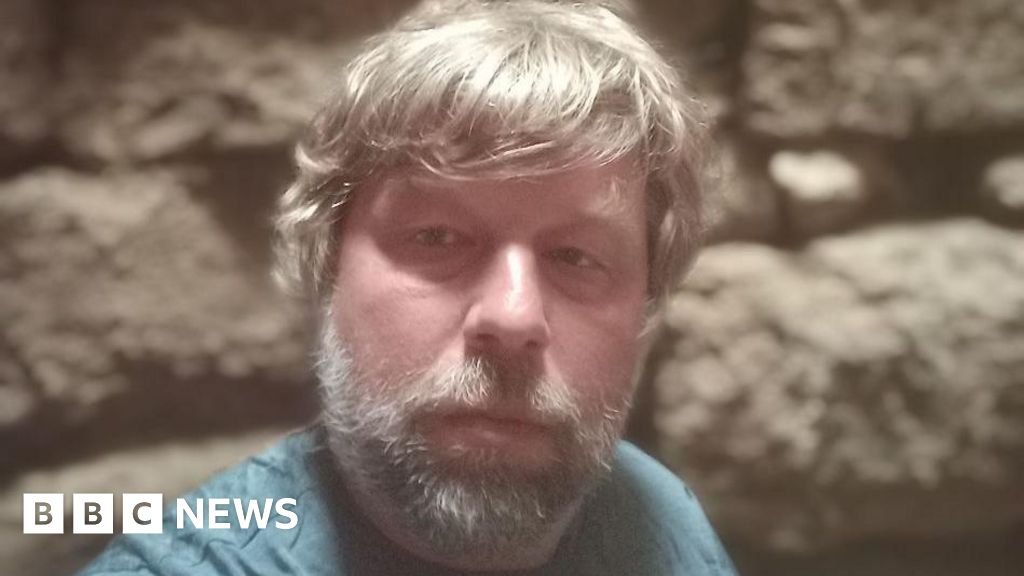
The Controversy Surrounding Russian Archaeologist Alexander Butyagin
The recent arrest of Russian archaeologist Alexander Butyagin in Poland has sparked a heated debate about the intersection of archaeology, ethics, and the ongoing conflict in Ukraine. As he awaits a court decision regarding his potential extradition to Ukraine, questions arise about the implications of archaeological work in contested territories and the responsibilities of experts in such scenarios.
The Legal Dilemma
Butyagin is currently in custody in Warsaw, facing a request for extradition that has become a point of contention across Europe. Historically, courts have been hesitant to extradite Russians to Ukraine, citing the protections granted under the European Convention on Human Rights. His situation has polarized opinions, revealing the complexities surrounding cultural heritage and national sovereignty.
Background on Butyagin and His Work
A prominent figure at the Hermitage Museum in St. Petersburg, Butyagin has been leading archaeological expeditions at Myrmekion in Crimea since 1999—well before the region was annexed by Russia in 2014. Supporters of his work contend that his efforts have preserved vital aspects of Crimea’s ancient heritage, while critics view him as a contributor to the erosion of Ukrainian history under occupation.
Significant Discoveries
Myrmekion, founded in the 6th Century BC by Ancient Greeks, has yielded numerous significant artefacts, including coins from the era of Alexander the Great. Although his expedition continued after Russia’s annexation, it has drawn scrutiny. Ukrainian authorities have initiated a criminal case against Butyagin for alleged illegal excavations and damage to archaeological sites without proper authorization.
Legal and Ethical Implications
Under the 2nd Protocol of the Hague Convention, occupying forces are mandated to prevent unauthorized archaeological digs. While both Poland and Ukraine are signatories of this protocol, Russia is not. Experts, including Evelina Kravchenko from the National Academy of Sciences of Ukraine, argue that Butyagin’s actions contravene this international agreement due to the nature of the conflict.
Perspectives on Butyagin’s Actions
In his defense, Butyagin claims he was merely fulfilling his lifelong passion for archaeology and preserving historical monuments. He also insists to Russian media that his findings are housed in Crimea and are only temporarily moved to Russia for restoration or exhibitions. However, this practice raises legal issues, as Ukrainian law mandates that such discoveries remain within Ukraine’s museum system.
The Role of Institutions
The Hermitage Museum stands by Butyagin, asserting that his work aligns with international legal standards despite the complex political backdrop. A senior archaeologist from the museum pointed out that Russian archaeologists lack the option to secure permits from Ukrainian authorities, thus complicating their capacity to conduct research legitimately.
Broader Reactions
The debate over Butyagin’s activities has not only garnered attention from government officials but also resonates with a segment of the Russian public opposed to the Kremlin’s actions. Some argue that had Russian archaeologists not pursued their work, invaluable artefacts might have fallen victim to looters. Nonetheless, the justification for such actions remains contested.
Expert Opinions
Experts in cultural property protection, like criminologist Samuel Andrew Hardy, caution against normalizing the activities of archaeologists in war zones, emphasizing that official excavations do not eliminate the risk of illicit digs. The key issue raised is whether the preservation of cultural sites can validate actions taken under the auspices of a state waging war.
Conclusion
The case of Alexander Butyagin exemplifies the intricate balance between archaeology, ethics, and international law amid conflict. As his legal situation unfolds, it serves as a critical reminder of the responsibilities held by cultural experts in contexts where heritage and national identity are at stake.
Key Takeaways
- Alexander Butyagin’s arrest in Poland ignites debate over archaeology during conflict.
- Legal frameworks like the Hague Convention play a crucial role in guiding excavations in occupied territories.
- The complexities of preserving cultural heritage are magnified in politically charged environments.
- Public and expert opinions remain divided on the ethics of archaeological work conducted under occupation.