

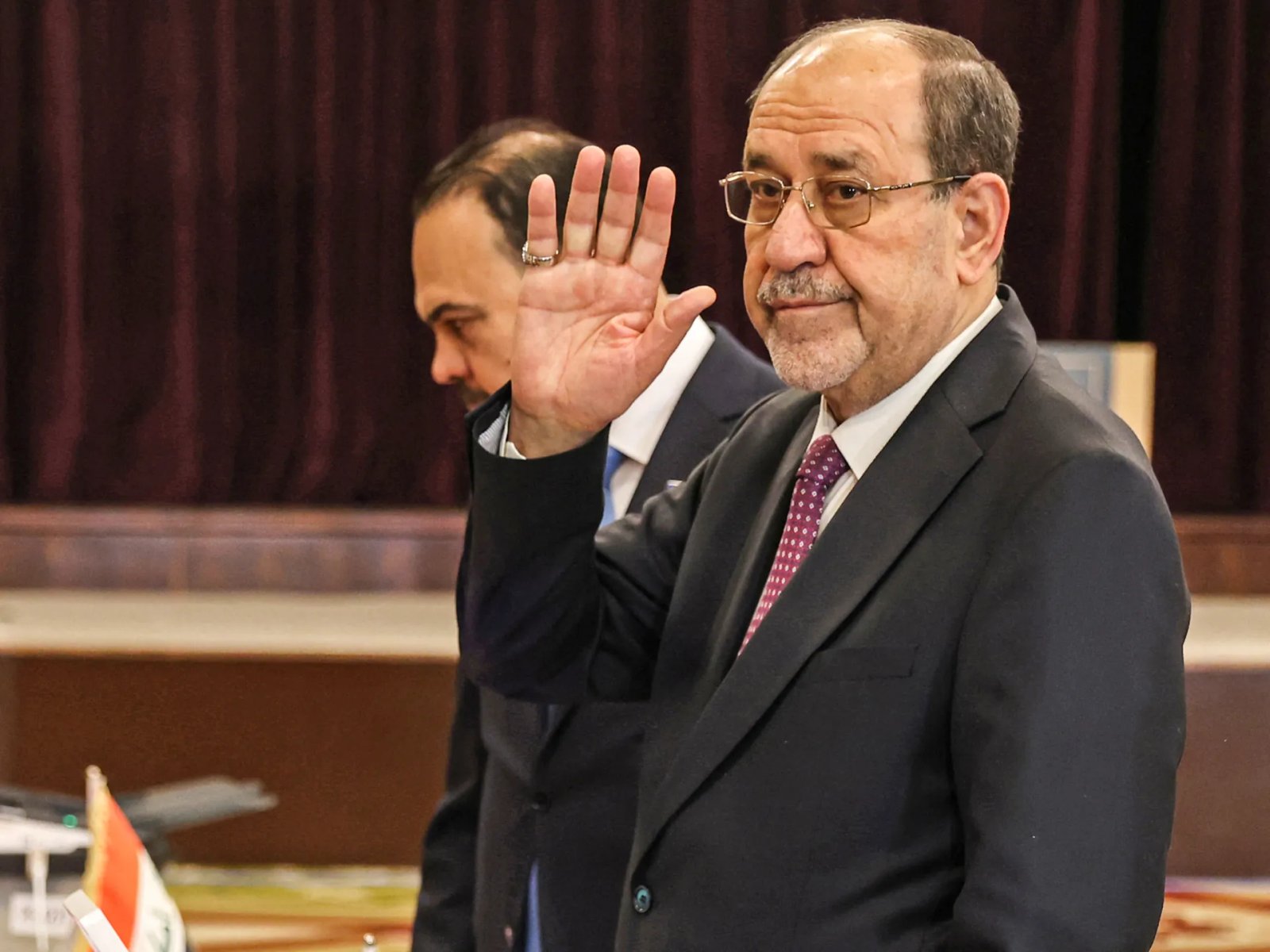
The Political Landscape of Iraq: Nouri al-Maliki’s Candidacy
The ongoing political developments in Iraq have sparked significant discussion, particularly regarding the potential reinstatement of Nouri al-Maliki as prime minister. Despite external pressures, including a warning from former U.S. President Trump about withdrawing support, Iraq’s Shia alliance remains steadfast in its support for al-Maliki. This article delves into the implications of this political stance and the reactions it has generated.
Support from the Coordination Framework
The Coordination Framework, representing Iraq’s principal Shia alliance, has made it clear that selecting a prime minister is an internal constitutional matter that should occur without foreign interference. In a statement released on a recent Saturday, they expressed their “unwavering support for Nouri Kamel al-Maliki as their candidate for the premiership.”
A Reaction to External Pressure
Earlier this week, President Trump issued a warning to Iraq, indicating that if al-Maliki were appointed as the next prime minister, the U.S. would reconsider its support for the country. This is consistent with Trump’s broader approach of intervening in the political decisions of other nations.
Al-Maliki’s Response to Threats
Citing Trump’s comments, al-Maliki took to social media to reject these threats, labeling them as “blatant American interference in Iraq’s internal affairs.” He firmly stated that he would not withdraw his candidacy for the prime minister position despite the due pressure.
The Broader Context
Trump’s remarks are part of a larger campaign aimed at diminishing the influence of Iran-affiliated groups within Iraq. The nation has historically tried to balance its relationships with both Washington and Tehran. At 75 years old, al-Maliki, a prominent figure in the Shia Islamic Dawa Party, previously served as prime minister from 2006 to 2014. His tenure was characterized by a power struggle against Sunni and Kurdish factions, along with allegations of corruption and increasing strain in U.S.-Iraq relations.
The Influence of External Powers
After stepping down in 2014 following the surge of the Islamic State (ISIS), al-Maliki has not faded from the political scene. He continues to lead the State of Law coalition and has close associations with Iranian-backed groups. The U.S. maintains a significant degree of leverage over Iraq, notably linked to the country’s oil revenue, which is primarily held at the Federal Reserve Bank in New York. This financial arrangement traces back to the 2003 U.S. invasion that saw the ousting of former Iraqi leader Saddam Hussein.
Conclusion
The political future of Iraq is closely tied to the decisions made regarding its leadership. The steadfast support for Nouri al-Maliki from the Coordination Framework highlights the complexities of Iraq’s internal politics, especially in the face of foreign threats. As the situation unfolds, the balance of power in Iraq continues to attract attention both domestically and internationally.
- Iraq’s main Shia alliance supports Nouri al-Maliki for prime minister.
- Internal selection of officials is emphasized as free from foreign interference.
- Al-Maliki rejects external threats, standing firm in his candidacy.
- The U.S. retains significant influence over Iraq’s political and financial landscape.